The Wisdom of Charlie Chaplin

This is Charlie Chaplin at age 26, photographed 100 years ago. It’s believed he wrote the poem below at age 70.

As I began to love myself 
I found that anguish and emotional suffering are only warning signs that I was living against my own truth. 
Today, I know, this is Authenticity.

As I began to love myself 
I understood how much it can offend somebody 
if I try to force my desires on this person, 
even though I knew the time was not right 
and the person was not ready for it, 
and even though this person was me. 
Today I call this Respect.

As I began to love myself 
I stopped craving for a different life, 
and I could see that everything 
that surrounded me 
was inviting me to grow. 
Today I call this Maturity.

As I began to love myself 
I understood that at any circumstance, 
I am in the right place at the right time, 
and everything happens at the exactly right moment. 
So I could be calm. 
Today I call this Self-Confidence.

As I began to love myself 
I quit stealing my own time, 
and I stopped designing huge projects for the future. 
Today, I only do what brings me joy and happiness, 
things I love to do and that make my heart cheer, 
and I do them in my own way and in my own rhythm. 
Today I call this Simplicity.

As I began to love myself 
I freed myself of anything 
that is no good for my health – 
food, people, things, situations, 
and everything that drew me down 
and away from myself. 
At first, I called this attitude a healthy egoism. 
Today I know it is Love of Oneself.

As I began to love myself 
I quit trying to always be right, 
and ever since 
I was wrong less of the time. 
Today I discovered that is Modesty.

As I began to love myself 
I refused to go on living in the past and worrying about the future. 
Now, I only live for the moment, where everything is happening. 
Today I live each day, 
day by day, 
and I call it Fulfillment

We no longer need to fear arguments, 
confrontations or any kind of problems 
with ourselves or others. 
Even stars collide, 
and out of their crashing, new worlds are born. 
Today I know: This is Life!


Life is a journey a process and we only really discover our selves when we are willing to go through it and grow because of it. These are wise words from Charlie and we learn from and we learn to find love of self because through this process called life we truly understand its meaning.

Sara Troy. www.selfdiscoverymedia.com
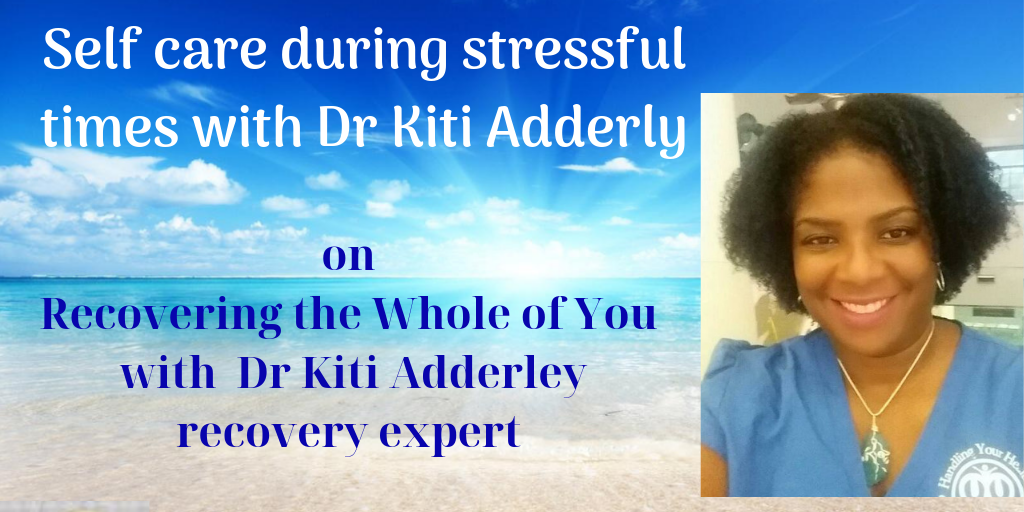
RW19-35 Self-care during stressful times with Dr Kiti


Taking Care of Ourselves During Life’s Transitions

By Dr. Kiti Adderly, Recovering the WHOLE of You

Life’s transitions, whether they are returning to school, starting a new job, or stepping into a new phase of life, can indeed be overwhelming. But they also present us with unique opportunities to rediscover and nurture our inner selves. Here are some tips to make these transitions smoother and more fulfilling:

  1. Acknowledge Your Feelings: It’s okay to feel overwhelmed, scared, excited, or unsure. Allow yourself to experience these emotions without judgment. Recognizing and naming your feelings can be the first step in managing them.
  2. Establish a Routine: While spontaneity has its merits, a consistent routine can provide comfort during times of change. Starting and ending your day with a few moments of mindfulness can anchor your thoughts and emotions.
  3. Practice Self-care: Find activities that relax and rejuvenate you. This could be reading, taking a bath, meditating, or even going for a walk. Setting aside time for these activities ensures you’re in the best mental space to tackle challenges.
  4. Stay Connected: Reaching out to friends, family, or support groups can provide invaluable emotional support. Sharing your feelings and experiences with trusted individuals can lessen the burden of transition.
  5. Set Realistic Expectations: Understand that there might be a learning curve or adjustment period during any transition. Allow yourself the space to make mistakes and learn from them.
  6. Limit Exposure to Stressors: While you might not be able to eliminate every source of stress, being conscious about reducing exposure can be beneficial. This might mean cutting down on news consumption, taking breaks from social media, or even setting boundaries with demanding individuals.
  7. Educate Yourself: If you’re stepping into a new phase, gather as much information as you can. The more knowledgeable you are about a situation, the more empowered and confident you’ll feel.
  8. Stay Physically Active: Exercise can be a wonderful stress reliever. It not only boosts your mood through endorphin release but also helps in keeping your body fit and active.
  9. Seek Professional Help if Needed: If feelings of overwhelm persist or lead to prolonged periods of sadness or anxiety, consider seeking the assistance of a therapist or counselor. They can provide coping strategies tailored to your specific needs.
  10. Practice Gratitude: Focusing on what you’re grateful for can shift your perspective from what’s lacking or challenging to what’s abundant and positive in your life.

Remember, it’s okay to ask for help when you need it. Transitions are a natural part of life, and with the right tools and mindset, they can be a source of immense personal growth and opportunity. Dr. Kiti Adderly emphasizes the importance of holistic well-being, and these tips can be the stepping stones towards a healthier and happier you, even during periods of change.


JOIN DR KITI HERE FOR HER TIPS OF SELF-CARE

VIDEO


 ITunesSpotify Soundcloud
  Amazon Google play,   iHEART
 Feeds Acast   Bullhorn.fm  Podcast Addict
 Podvine  Radio Public.   FM Player
 Odysee Youtube   Sticher
  Feed spot PodcornOpodium

Find more on Dr Kiti here

MORE SHOW ON RECOVERING YOU HERE 

FIND ALL OUR INSPIRING SHOWS HERE

Discover the sites we share on linktr.ee/saratroy

BE OUR GUEST AND SHARE THE WISDOM


How Often You Should Vacuum Your Home (and Why According to Experts)

How Often You Should Vacuum Your Home (and Why According to Experts)

It’s a commonly asked question, and one that everyone has a different answer to; how often should you vacuum? We all have different cleaning methods and routines, but how do we know we are actually doing enough to keep the germs at bay and eliminate dust effectively?  

To help you understand more about the importance of vacuuming, and the impact it can have on your home, I have compiled this guide. It’s full of interesting and informative facts about how often you should vacuum your home, as well as general cleaning and the effects of dust. However, it’s not just my facts and research. I reached out to industry experts to get their advice on the matter as well, filling this guide with links to extensive research.  

As with all of my guides, this has been a labour of love, and one that I am sure will help you to learn exactly what your home needs. All you need to do is sit back, relax, and take your time reading through some seriously fascinating facts. I guarantee some will surprise you.  

FOR MORE FACTS IN DETAIL GO HERE

By Dan Jaques

www.smartvacuums.co.uk

www.linkedin.com/in/dan-jaques-baba

19-35 Pearls of Wisdom Listening to Hear.

Is listening hearing? Do we really take in what we listen too? Are we hearing the message, or are we just glazing over and only hearing what we want to hear? 
We speak and we respond, that is called a conversation, but do we speak to truly hear? Is listening hearing or is it something different?

Listening,  to take note, attend, heed.

Hearing, inquiry, investigate, examine.

We say we listen, that we are paying attention, but are we just listening to reply?

Hearing requires a different thought process, like what are you listening to and what does it mean.

As a host, I am listening to respond as we are a conversation podcast network, but when we really hear, we can then ask questions which allows for a deeper understanding of what we are listening to.

With so much noise everywhere today, are you hearing what matters? are you listening between the lines? It is time we learned to listen to hear so our response is one of collaboration and or inquiry.

We all want to be heard to be listen to, please take the time to truly hear what it is others are really saying and think before you respond in the inquiry so they will not be a knee jerk response.


JOIN SARA HERE TO HEAR HER PEARLS OF WISDOM ON HEARING

https://soundcloud.com/plv-radio/19-35-pearls-of-wisdom-listening-to-hear

VIDEO

Sara Troy on Sara’s View of Life show

MORE SHOWS OF INSPIRATION CAN BE FOUND HERE

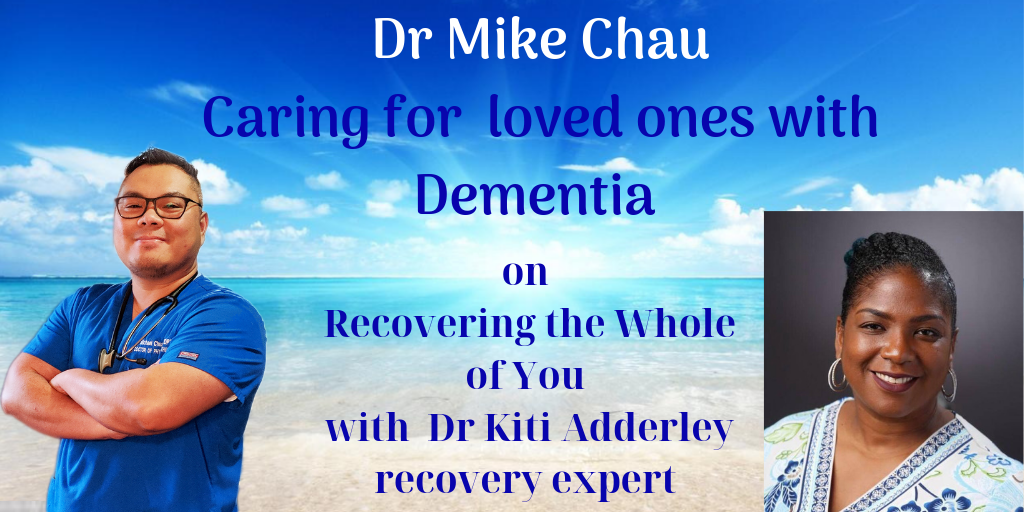
RW 19-33 Dr Mike Chau Caring for loved ones with Dementia


Recovering the Whole of you with Dr Kiti Adderley and her guest Dr. Michael Chua who is a physical therapist practicing in Home Health, Skilled Nursing Facilities and Acute Care Hospital. ON AIR FROM AUGUST 13TH

  • Are you having a hard time taking care of your loved one that has Dementia?
  • Do you feel stuck on how and what to do with your loved one that has Dementia?
  • Are you ready to take care of yourself and your elderly loved one?
  • Ready to be the best caregiver for your loved one?
  • THEN THIS SHOW IS FOR YOU

JOIN KITI AND MIKE HERE IN CARING FOR DEMENTIA LOVED ONE’S

https://soundcloud.com/plv-radio/rw-19-33-dr-mike-chau-caring-for-loved-ones-with-dementia2

VIDEO


 ITunesSpotify Soundcloud
  Amazon  Google play,   iHEART
 Acast   onpodium  Anchor
 Podvine  Radio Public.   FM Player
  Launchpad Mixcloud   Vurbl
   Odysee  Youtube Sticher


Dr Mike’s clinical interest involves pain management, geriatrics and dementia management. He enjoys treating patients and bringing out the best in them using positive treatment approaches, his dynamic work setting in a rural area provides an opportunity to treat a wide range from geriatrics to orthopedics.

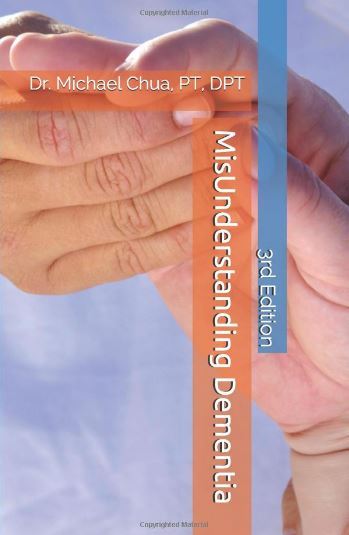
MisUnderstanding Dementia

Dementia is not a disease in itself. Rather, it is a broad name referring to a long-term and gradual deterioration of a person’s mental ability.

The condition can be severe enough to obstruct the sufferer’s daily life.

Dementia occurs when the brain cells stop working as they should, affecting the person’s ability to think, remember, and communicate. Its usual symptoms include difficulty of reasoning and thinking, gradual memory loss, and deteriorating communication skills.

The most common type of dementia is caused by Alzheimer’s, which accounts for 60 – 80% of the cases.

GET THE BOOK FREE HERE.

He is also the Chief Inspirational Officer for TN Therapy Outsource, LLC and the author of MisUnderstanding Dementia.


https://drmikechua.com

drmikechua.com/podcast

MORE SHOW ON RECOVERING YOU HERE 

FIND MORE SHOWS OF ILLUMINATION HERE