The Wisdom of Charlie Chaplin

This is Charlie Chaplin at age 26, photographed 100 years ago. It’s believed he wrote the poem below at age 70.

As I began to love myself 
I found that anguish and emotional suffering are only warning signs that I was living against my own truth. 
Today, I know, this is Authenticity.

As I began to love myself 
I understood how much it can offend somebody 
if I try to force my desires on this person, 
even though I knew the time was not right 
and the person was not ready for it, 
and even though this person was me. 
Today I call this Respect.

As I began to love myself 
I stopped craving for a different life, 
and I could see that everything 
that surrounded me 
was inviting me to grow. 
Today I call this Maturity.

As I began to love myself 
I understood that at any circumstance, 
I am in the right place at the right time, 
and everything happens at the exactly right moment. 
So I could be calm. 
Today I call this Self-Confidence.

As I began to love myself 
I quit stealing my own time, 
and I stopped designing huge projects for the future. 
Today, I only do what brings me joy and happiness, 
things I love to do and that make my heart cheer, 
and I do them in my own way and in my own rhythm. 
Today I call this Simplicity.

As I began to love myself 
I freed myself of anything 
that is no good for my health – 
food, people, things, situations, 
and everything that drew me down 
and away from myself. 
At first, I called this attitude a healthy egoism. 
Today I know it is Love of Oneself.

As I began to love myself 
I quit trying to always be right, 
and ever since 
I was wrong less of the time. 
Today I discovered that is Modesty.

As I began to love myself 
I refused to go on living in the past and worrying about the future. 
Now, I only live for the moment, where everything is happening. 
Today I live each day, 
day by day, 
and I call it Fulfillment

We no longer need to fear arguments, 
confrontations or any kind of problems 
with ourselves or others. 
Even stars collide, 
and out of their crashing, new worlds are born. 
Today I know: This is Life!


Life is a journey a process and we only really discover our selves when we are willing to go through it and grow because of it. These are wise words from Charlie and we learn from and we learn to find love of self because through this process called life we truly understand its meaning.

Sara Troy. www.selfdiscoverymedia.com

How Often You Should Vacuum Your Home (and Why According to Experts)

How Often You Should Vacuum Your Home (and Why According to Experts)

It’s a commonly asked question, and one that everyone has a different answer to; how often should you vacuum? We all have different cleaning methods and routines, but how do we know we are actually doing enough to keep the germs at bay and eliminate dust effectively?  

To help you understand more about the importance of vacuuming, and the impact it can have on your home, I have compiled this guide. It’s full of interesting and informative facts about how often you should vacuum your home, as well as general cleaning and the effects of dust. However, it’s not just my facts and research. I reached out to industry experts to get their advice on the matter as well, filling this guide with links to extensive research.  

As with all of my guides, this has been a labour of love, and one that I am sure will help you to learn exactly what your home needs. All you need to do is sit back, relax, and take your time reading through some seriously fascinating facts. I guarantee some will surprise you.  

FOR MORE FACTS IN DETAIL GO HERE

By Dan Jaques

www.smartvacuums.co.uk

www.linkedin.com/in/dan-jaques-baba

Living productively with(EDS) and Fibromyalgia + Myofascial


No one wants to be labelled or have others look at us as weak, but when you are living with a decease it is what it is and we have to find a way to live as productively as possible.
I DON’T have Joint Hypermobility (EDS), but I do have Fibromyalgia + Myofascial pain. I have had it for over 27 years now, and as I get older, it gets a bit harder as one does not recover as fast as I used to each day.
Being productive in something you love feeds the mind, soul, spirit, and heart, which eases pain. I can not work a conventional job, as sleep is my nemesis, and one never knows if one will get any sleep from day to day.
I admit at times, it sucks; it can get really hard, especially if you’re on your own, and because it does not show on your face and everyone thinks your ok.
I have traveled many roads trying to balance work, life, and body in harmony, and I have found a calling that serves humanity and serves me in my heart and soul. I work on the computer all day, which is not good for the body, but I get to interview people making a difference in the world who have had it much harder than me and who are now living examples of how to find meaningful purpose and joy despite what you have gone through or are going through.
Pacing oneself is a must. Honouring the mind-heart-soul and body connection is essential in finding that partnership in respect within, for only in balance can we live in peace with ourselves.
I know it can be hard at times; the pain, depression, lack of sleep, immobility, and not being able to do the things you want to do can be hard in finding that joy of living, but we can if we listen in, find that balance and honour ourselves in the nurturing we can to live a happy proactive life.
So I take each day as it comes, sometimes a desperate struggle, most days a plodding through, and sometimes a leap and a jump, we just have to go with the flow.
I will have to work forever, as if I still wish to live on earth, I need to, but if I continue to find joy in it and meaningfulness, then that feeds my soul as well as my body and gives me a reason to be. For I believe we all need that reason to be here, and we are SO MUCH MORE THAN OUR DISABILITY. WE ARE WONDERFUL SOULS SERVING HUMANITY in any way we CAN.
Here is an article and shows I have done on the subject that may help you on your fibro journey, I wish you all strength and joy in your lives.


https://selfdiscoverywisdom.com/2019/07/29/joint-hypermobility-eds-and-fibromyalgia-myofascial

Regards

Sara Troy

Self Discovery Wisdom

KINDNESS AND SOFTNESS IS WHAT HEALS US THE MOST

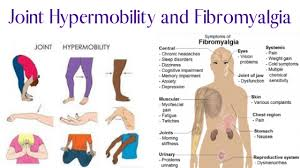
Joint Hypermobility (EDS) and Fibromyalgia + Myofascial

Could your Fibromyalgia Actually be Ehlers-Danlos Syndrome? No

Fibromyalgia symptoms can overlap with autoimmune diseases and other arthritis conditions making it difficult to diagnose. The defining symptoms of fibromyalgia are often associated with other subjective and objective symptoms which occur in combination. The cause of fibromyalgia is considered as complex as its clinical presentation. The exact cause of fibromyalgia is still not well understood but mechanisms that have been suggested include

  • Abnormal pain perception
  • Sleep disorders
  • Abnormal circulating levels of central neurochemical substances
  • Skeletal muscle abnormalities, structural or functional

It has also been suggested that joint hypermobility (JH) may be associated with the pathology of fibromyalgia.

Joint Hypermobility (EDS)


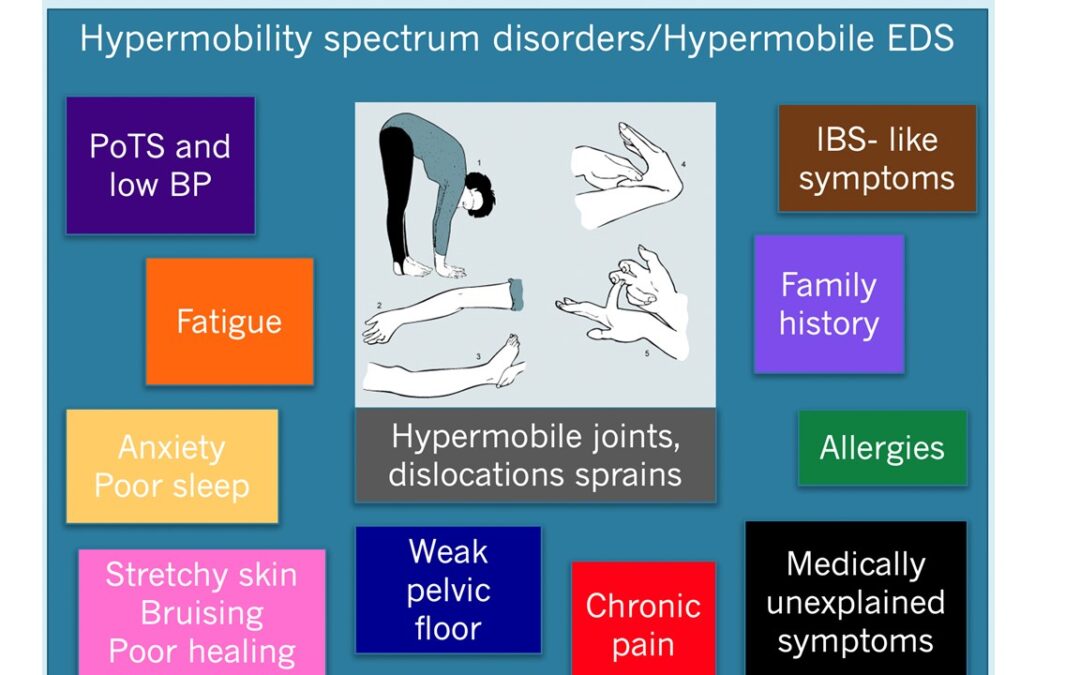
Joint hypermobility is defined as “abnormally increased mobility of small and large joints beyond the limits of their physiological movement.” Joint hypermobility is common among in young females and is seen in about 5% of the healthy adult population. When musculoskeletal symptoms occur in hypermobile people in the absence of any other systemic rheumatological disorder, it is called “hypermobility syndrome.” Joint hypermobility is also a feature of a medical condition called Ehlers-Danlos syndrome (EDS) that is characterized by weakness of the connective tissues of the body.

What makes EDS different from fibromyalgia?

One with this condition has deformed collagen, the glue of the body. Therefore, ligaments and tendons do not have the strength to function effectively to work correctly and muscles must work on overload to compensate for their lack of effectiveness. This causes looseness in the joints that allow for bones to shift. One lives with many subluxations (partial dislocations) and even full dislocations. A simple twist, turn, a hug can all cause things to shift. Unfortunately, this shifting of the structure creates pain that one must learn how to live with. Remember, it IS NOT a Systemic Autoimmune Disorder or a Collagen Vascular Disorder.

The Study

In a study reported in the Journal of Rheumatology, the association between joint hypermobility and primary fibromyalgia was investigated. The study group was comprised of 88 patients (all female, median age 34 years old) with widespread pain clinically diagnosed as fibromyalgia and 90 healthy controls (all female, median age 36 years old). Excluded from the study were

  • Patients with any other rheumatological or systemic disorder.
  • Patients with any other inflammatory process or degenerative arthritis.
  • Anyone who had been receiving medications.

The patients had not been diagnosed with having fibromyalgia by a rheumatologist prior to the study and had not been treated for fibromyalgia.

Study Process

All patients were admitted based on widespread pain lasting longer than 3 months. Patients and controls were then initially evaluated by a rheumatologist. The patients underwent further and more specific evaluation by two other clinicians (who were blinded to the initial evaluation) for the determination of fibromyalgia and joint hypermobility.

Fibromyalgia was assessed in all patients by questioning about common complaints associated with the disease. They were diagnosed with fibromyalgia if they met the American College of Rheumatology (ACR) criteria for the classification and diagnosis of fibromyalgia. Joint hypermobility was considered present in patients based on the Beighton modification of Carter and Wilkinson criteria for joint hypermobility.

Study Results

Fifty-six of the 88 patients with widespread pain initially resembling fibromyalgia met the ACR criteria for fibromyalgia, while 6 of the 90 healthy controls also met the ACR criteria. Patients with or without fibromyalgia were also compared for the frequency of joint hypermobility. The frequency of joint hypermobility was:

  • 8% in patients with fibromyalgia.
  • 6% in patients without fibromyalgia.

Joint hypermobility was also recognized in 10 of the 32 patients with fibromyalgia who did not exactly meet the ACR criteria. The presence of joint hypermobility was more common in this group than in the controls.

Conclusions

The association between fibromyalgia and joint hypermobility is not totally understood. Joint hypermobility may cause widespread arthralgia in patients due to misuse or overuse of hypermobile joints.

Data from this particular study indicated:

  • That the typical complaints of fibromyalgia were primarily observed in the patients that did meet the ACR criteria.
  • Some patients who exhibit fibromyalgia symptoms clinically but do not meet the ACR criteria could actually have joint hypermobility misdiagnosed as fibromyalgia.

Joint hypermobility was first featured in rheumatology literature in 1967. Today, joint hypermobility is better understood and more widely recognized. However, further investigation and research are still needed to learn even more about the interaction between joint hypermobility and fibromyalgia.

By Carol Eustice verywellhealth.com/carol-eustice-

Fiber-Optic Fascia


You have inside you a cloak of gossamer connective tissue that surrounds and supports everything and functions like fiber optics. This tissue is called fascia.

Fascia is a specialized system of the body that has an appearance similar to a spider’s web or a sweater. Fascia is very densely woven, covering and interpenetrating every muscle, bone, nerve, artery and vein, as well as, all of our internal organs including the heart, lungs, brain, and spinal cord. The most interesting aspect of the fascial system is that it is not just a system of separate coverings. It is actually one continuous structure that exists from head to toe without interruption. In this way, you can begin to see that each part of the entire body is connected to every other part by the fascia, like the yarn in a sweater.

Trauma, inflammatory responses, and/or surgical procedures create Myofascial restrictions that can produce tensile pressures of approximately 2,000 pounds per square inch on pain-sensitive structures that do not show up in many of the standard tests (x-rays, myelograms, CAT scans, electromyography, etc.) A high percentage of people suffering from pain and/or lack of motion may be having fascial problems, but are not diagnosed.


MORE INFO ON FIBROMYALGIA GO HERE

MORE ON MYOFASCIAL PAIN HERE

FIND MORE SHOWS ON THESE TOPICS HERE.

FIND MORE SHOWS OF ILLUMINATION HERE

Presented by Sara Troy of Self Discovery Wisdom Network

What Is Fibromyalgia?

Who Gets Fibromyalgia? | Where Does Fibromyalgia Come From? | Long-Term Outlook


Ever feel like this? You have achy pain all over your body, especially in your muscles. When you sleep — whether it’s five hours or 14 — you never feel refreshed and you’re always tired. Sometimes you forget where you just put your keys or your brain is in a fog. You might feel worse in the morning, when it’s cold or when the weather changes. If this sounds familiar, you may have fibromyalgia, a chronic illness with three main symptoms — widespread pain, chronic fatigue and cognitive trouble.

Fibromyalgia is a complicated illness that’s not well understood. In the past, it was mischaracterized as a mental health disorder. Even today, some doctors wave off fibro symptoms as being “all in your head.” This isn’t the case. Fibromyalgia involves alterations in the function of your nervous system and how your brain processes pain. It also causes a response in your hormone and immune systems that can lead to many different changes, including neuroinflammation or inflammation in the tissues in your nervous system.

Many doctors refer to fibromyalgia as a “hypervigilant” or “fight-or-flight” illness because your nervous system stays in alarm mode all the time. If someone in your family has fibromyalgia, you’re more likely to have it. If you’ve experienced trauma, such as sexual or physical abuse, a bad car accident or combat, you also have a higher chance of developing fibromyalgia.

It’s common to have fibromyalgia and other chronic conditions as well as mental illness, though fibromyalgia is not a mental health condition itself. These conditions could include:

Fibromyalgia does not just affect the muscles and nerves — it deeply affects the communication system between the brain, nervous system, hormones, immune system, and gut. Many researchers now refer to this as the brain-gut connection, and in fibromyalgia, that connection can become dysregulated and overwhelmed.

The gut and brain are constantly “talking” to each other through the vagus nerve, hormones, neurotransmitters, and the immune system. In a healthy body, this communication helps regulate digestion, sleep, mood, energy, pain response, and inflammation. But in fibromyalgia, the nervous system becomes hypersensitive and stuck in a chronic state of alert — often called “fight-or-flight mode.”

When the brain stays in survival mode, the body prioritizes protection over digestion.

That means:

  • Blood flow is redirected away from the digestive system
  • Stress hormones remain elevated
  • Muscles stay tense
  • Sleep becomes unrefreshing
  • Inflammation increases
  • Pain signals become amplified
  • Gut function slows down or becomes erratic

The gut then struggles to properly digest food, absorb nutrients, and maintain healthy bacteria. This can lead to bloating, IBS, constipation, diarrhea, food sensitivities, nausea, and exhaustion after eating.

At the same time, an unhealthy or inflamed gut can send distress signals back to the brain, increasing:

  • Brain fog
  • Anxiety
  • Depression
  • Fatigue
  • Pain sensitivity
  • Sleep disruption

So the brain stresses the gut… and the gut stresses the brain.

It becomes a vicious cycle.

Many people with fibromyalgia feel like:

“My body is constantly bracing for danger, even when I’m safe.”

That constant nervous system overload affects the entire body — especially the gut, because digestion only works properly when the body feels calm and safe.

Researchers also believe trauma can play a major role. Emotional trauma, PTSD, chronic stress, abuse, accidents, illness, or years of emotional suppression may train the nervous system to stay hyper-alert. Over time, the body forgets how to fully relax.

This is why treatment for fibromyalgia often needs to be holistic, supporting:

  • The nervous system
  • Gut health
  • Sleep restoration
  • Gentle movement
  • Stress reduction
  • Trauma healing
  • Nutrition
  • Emotional support
  • Pacing and rest

Fibromyalgia is not weakness.
It is a body and nervous system that have been overloaded for too long, trying to survive while asking desperately for balance, safety, and healing.

Currently, there is no cure for fibromyalgia. Though fibromyalgia can be debilitating, there are many treatments to try. These might include:

  • Medications
  • Exercise programs
  • Pain management regiments
  • Cognitive-behavioral therapy (CBT)
  • Natural and integrative medicine therapies
  • Lifestyle changes

It can take a while to find a combination of treatments that help. Researchers are working to find the cause of fibromyalgia, a potential cure and additional treatment options. 

Who Gets Fibromyalgia?

An estimated 3 to 6 percent of the U.S. population lives with fibromyalgia, and it’s considered the most common chronic pain condition.9 Fibro is twice as common in those born female.10 Doctors believe women get fibromyalgia more often because of the construction of their nervous system. Male and female nervous systems operate differently because of the variations in male and female genes.2

People of all ages can get fibromyalgia. However, fibromyalgia is most common among young adults in their 20s and 30s. Today, doctors more frequently make the diagnosis in teenagers, but many still go undiagnosed until much later.7Fibromyalgia also occurs among all ethnic groups.

Where Does Fibromyalgia Come From?

We don’t know what exactly causes fibromyalgia. In the past, doctors found the symptoms of fibromyalgia mysterious — their patients didn’t look sick but they reported constant pain and fatigue. Doctors couldn’t find a source of the pain, so they dismissed their patients as having a mental health condition or said their symptoms were “all in their head.” Unfortunately, there are still doctors who may dismiss your symptoms because they don’t understand the latest research on the condition.

In their work to understand fibromyalgia, researchers first thought it was an autoimmune disorder. Autoimmune diseases occur when your body attacks healthy cells. However, that’s not what scientists observed in fibromyalgia. People with fibromyalgia had symptoms in their nervous system and their immune system that couldn’t be explained by any other chronic illness or mental illness. Fibromyalgia is best understood as a pain processing disorder in your nervous system caused by your fight-or-flight alarm system going off all the time. Fibromyalgia also impacts the immune system, and it is likely passed through families.

The Nervous System

Your nervous system, made up of several different systems, is a complex web that regulates the body’s functions. Fibromyalgia affects your autonomic nervous system. This controls the “automatic” functions in your body thanks to two separate branches — the sympathetic nervous system and parasympathetic nervous system.

Your parasympathetic system takes charge when you’re relaxed. Your muscles loosen up, the brain calms down and the digestive process begins. Your sympathetic nervous system revs up when it feels you are under attack. It activates your body’s fight-or-flight mode, tensing your muscles, pumping up your heart rate and increasing your attention and awareness.

When your hypothalamus, a part of the brain that coordinates your autonomic nervous system, senses danger, it sends a signal to the sympathetic nervous system to prepare the body to react: fight, flight or freeze. In a healthy nervous system, once the perceived threat ends, the hypothalamus signals the parasympathetic nervous system to take back over and calm the system back to a resting state. In fibromyalgia, however, your alarm system gets stuck in the “on” position.

Fibromyalgia causes you to stay in that hypervigilant state much longer than you’re supposed to. As a result, you experience chronic muscle tension (pain), trouble getting good sleep, issues with digestion and an overall sense of fatigue.7

In addition, fibromyalgia affects the complex systems in your brain that process pain. The systems in your spinal cord designed to reduce pain don’t work well if you have fibromyalgia and the ones that amplify pain work overtime. Pain that wouldn’t bother most people is amplified when you have fibromyalgia.6 Scientists can see from neuroimaging brain scans that people with fibro process sensory information, especially pain, differently than the average person.10

Trauma

When you hear “fight-or-flight response,” your mind might automatically think of trauma. Many fibro patients report the sexual or physical assault at some point in their life, often that happened during childhood. There’s also a strong overlap between fibromyalgia and the trauma-related mental illness post-traumatic stress disorder (PTSD). Nearly half of men diagnosed with combat-induced PTSD also meet the criteria for a fibromyalgia diagnosis.8

The link between trauma and fibro, however, isn’t so straightforward. Fibromyalgia tends to develop when you experience high amounts of psychological stress during trauma or a physical illness — and this is common in any traumatic situation. Fibromyalgia also can run in families (more on this later), which means your parents pass the genes on to you. However, having a gene for fibromyalgia doesn’t necessarily mean you will get the condition. You may never get fibromyalgia and never know you carry the gene. But if you have a gene, you have a much higher risk of developing the condition.

Trauma like abuse, wartime combat, a bad car accident or violence, can be enough to trigger your fibromyalgia. It’s like a one-two punch. You have a genetic predisposition for fibromyalgia. Then a trauma triggers the gene to express itself and you develop the condition. The timing of when you experience a trauma also seems to factor into whether you will get fibromyalgia, though it’s unclear why. Women who experience trauma in their adolescence seem particularly prone to having fibromyalgia.

Not everyone who has survived trauma will develop fibromyalgia, and you can still have fibromyalgia even if you can’t identify a traumatic experience in your life. Other incidents, like bad auto accidents where you experienced whiplash, have a strong connection to fibromyalgia. If you have another chronic illness, like Lyme disease or chronic fatigue syndrome, that can also trigger fibromyalgia.7

The Immune System

Fibromyalgia also affects your immune system. It’s not an autoimmune disorder — it doesn’t cause your body to attack healthy cells — but it does cause immune system dysregulation. When immune cells become inflamed, they send a signal that something is wrong in the body. With fibromyalgia, your inflammation signals aren’t firing right — they send the wrong signals at the wrong time to the wrong places. This is why sometimes, especially when your fibro flares, you feel achy like you have the flu. Researchers have confirmed that inflammation can occur in the brain and nervous system as well.1

Genetic Causes

There’s evidence that fibromyalgia runs in families. If your parents, siblings or children have the condition, you’re more likely to be at risk. Researchers haven’t identified all the genetic markers linked to fibromyalgia yet, however, they have identified differences in genes linked to the pain control systems.

They have found that fibromyalgia patients often have a gene related to a dysfunctional enzyme — a substance in the body that facilitates chemical reactions between cells. This enzyme should break down the chemicals involved in the fight-or-flight process, but something goes awry when you have fibromyalgia. You’re also more likely to have genes programmed for abnormal receptors in the fight-or-flight or pain nerves.

Other Research

Researchers continue to discover new information about fibromyalgia. For example, they’ve found that fibromyalgia could be related to an area of your brain called the default mode network (DMN). The DMN helps us reflect on our lives, and is typically most active when you’re at rest or daydreaming.

When you’re doing a goal-oriented cognitive task, the DMN is usually quieter. Using brain scans, researchers found that the DMN in patients with fibromyalgia seems to be online more than usual during cognitive tasks. It was caught communicating with the insula, another part of the brain that influences sensory processing like pain when it should be quiet.10  

Long-Term Outlook

Fibromyalgia can be a serious illness. Many have such severe symptoms it impacts their ability to go to work or school or even complete basic tasks around the house. When you have fibromyalgia, you’re twice as likely to be hospitalized versus someone without the condition.3 Approximately 30 percent of those diagnosed with fibromyalgia qualify as disabled.4  Your experience may be different.

It can also be expensive and difficult to afford the care you need with fibromyalgia. Treating the disease often requires experimenting with different medications and doctors, which can be costly even if you have insurance. One 2007 study found that those with fibromyalgia typically spent between $100 to $1,000 a month out of pocket for medical costs related to the condition. Another study revealed that fibromyalgia patients paid nearly $1,500 for alternative treatments and spent a total of about $5,300 annually out of pocket for all medical expenses.4

Despite the lifelong challenges of living with fibromyalgia, it’s a misconception that nothing can be done to help. There are many treatment options for managing your symptoms even though it can be hard to find what will work for you. However, many people find they do better and experience some improvement or relief from their symptoms with the right combination of treatments.5Fibromyalgia is a painful and frustrating condition, but there is hope.

Related: Here are some ways people describe what it’s like living with fibromyalgia.

Learn More About Fibromyalgia: Symptoms | Diagnosis | Treatment | Resources

Condition Guides  •  Follow@condition_guides

The Mighty’s Condition Guides combine the expertise of both the medical and patient community to help you and your loved ones on your health journeys. For the fibromyalgia guide, we interviewed five medical experts, read numerous studies and surveyed 13,997 people diagnosed with the condition. The guides are living documents and will be updated with new information as it becomes available.

The Mighty’s Condition Guides combine the expertise of both the medical and patient community to help you and your loved ones on your health journeys.

Find Another guide to Fibromyalgia and how weighted blankets can help here.

To find these experts go here https://themighty.com/2019/04/what-is-fibromyalgia and also listen to Dr ARSENEAU tsm17-14-understanding-fibromyalgia-with-dr-ric-arseneau

MORE SHOWS ON LIVING WITH FIBRO GO HERE

Where it hurts

Sara is living with Fibro plus and doing her best.

FIND MORE SHOWS OF ILLUMINATION HERE