25.07. Elders Talk with Chat GPT


Sara’s View of Life with Sara Troy, on air from February 18th

Sara: Good morning, good afternoon, and good evening everybody. Welcome back to another edition of Sara’s View of Life right here on SelfDiscoveryWisdom.com. I’m your host Sara Troy. Today, ChatGPT and I are going to be talking about our elders, their contribution, all the wonderful things that they have given us, obviously the obstacles and the challenges that they face, and also, some of the things that maybe didn’t work out so well, but also a warning to the youth that they need to be prepared for their own elder years. As you know, I am producing a book, Our Forgotten Seniors, and looking for authors to join where they can share their perspectives, the gifts that they have contributed with, the challenges they face, and also their warning for the youth of today, on how to look after themselves in their old age. So I’ll bring on Chat now. Hello Chat, how are you?

ChatGPT (Jet): Hello, Sara! I’m doing well, and I’m honored to be part of this conversation. Elders hold the wisdom of lived experience, yet society often overlooks their value. Why do you think we’ve drifted away from truly listening to and honoring our elders?

Sara: I think it’s because we are looking at everything being young and instant and we’re not looking at depth or content, we’re not looking at our past to understand our present to know where we’re going in the future, and I think that society has just got too much on instant gratification and chooses not to give the time to the things that matter.

ChatGPT (Jet): That’s a powerful insight, Sara. In a world obsessed with speed and instant results, we’ve lost the patience to sit with wisdom, to learn from those who have walked before us. Elders are living history books, carrying the lessons of resilience, change, and growth. Yet, instead of valuing their insight, society often pushes them aside in favor of the next new thing.

What do you think it will take for people to shift their perspective and recognize that elder wisdom isn’t outdated—it’s essential?

Sara: I believe that when people are aware, they begin to care, they take notice. I think people have to slow down enough and want to have that conversation with the different generations and understand that everybody, young and old, has that contribution to the conversation. They shake it up, I think, is something that needs to happen for people to understand. Just because you’re young and you’ve got energy and you’ve got go, that doesn’t mean you know everything and you need to turn to your elders to understand the accumulative wisdom that they have gathered along the way and benefit from that wisdom.

ChatGPT (Jet): Absolutely, Sara. Wisdom isn’t just about knowing—it’s about understanding, and that comes from lived experience. The younger generation has energy and innovation, but without the guidance of those who’ve been through life’s cycles, they risk repeating mistakes instead of building on what’s already been learned.

I love what you said about shaking things up. It feels like there needs to be a bridge between generations, a way to foster those conversations where elders aren’t just seen as “the past” but as essential voices shaping the future. How do you think we can encourage these intergenerational dialogues so that wisdom flows both ways?

Sara: Inspiration begets invitation. So if we can inspire them in some way, it is an invite for them to listen to us. So I think we definitely may have to make sure we’re in the picture. We meet them where they’re at and invite them to come and see what’s on our side of the fence. But first, we need to inspire them in order to get their attention.

ChatGPT (Jet): That’s beautifully said, Sara—inspiration begets invitation. Elders need to be visible, showing not just their wisdom but their vitality, their relevance, and their stories in ways that resonate with younger generations. Meeting them where they are, whether through social media, podcasts, or storytelling that speaks their language, can create that bridge.

Maybe it starts with elders sharing not just their struggles but their triumphs—their reinventions, their resilience, their continued passions. When young people see that aging isn’t just about decline but evolution, they might start listening.

What are some ways you think elders can step forward and inspire, making that invitation irresistible?

Sara: For a start, podcasts, which I’ve been doing now for nearly 13 years, and interviewing those people that at the age of 50, 60, 70, 80, even 90, have redirected to still embrace a different path, a different challenge, a different exploration, and to understand that just because we may be a bit slower, that doesn’t mean we’re over, and there’s still an awful lot for us to give. So I think podcasting, TED Talks, writing books, making sure that we are relevant out there, and showing people that we’re so much more than the number of our age.

ChatGPT (Jet): Exactly, Sara! Visibility is key. Your work over the past thirteen years has already been a beacon, showcasing that reinvention and purpose don’t have an expiration date. Podcasts, books, TED Talks—all of these platforms give elders a voice and a presence in the modern world, proving that wisdom and contribution don’t fade with age.

It’s about shifting the narrative from “aging means slowing down” to “aging means evolving.” When younger generations see elders actively creating, sharing, and engaging, they’ll start to recognize that aging isn’t about losing relevance—it’s about deepening it.

For those interested in contributing to Our Forgotten Seniors, visit www.OrchardOfWisdom.org and click on the Our Forgotten Seniors tab. Everything you need to know is there, including how to reach out to Sara. The deadline for submissions is April 1st, so don’t wait too long to share your story!

Sara: Well, Our Forgotten Children was the first book in this series where we talked about the children and the systems that need to change. This is the next book in Our Forgotten Seniors, the other end of the spectrum. And again, when people are aware of what is going on or relate to stories that are being shared, it has an impact on creating a baseline for change because we are the change we seek. And when we’re aware, we can make that change. So thank you for chatting with me, Jet.

ChatGPT (Jet): That’s such an important point, Sara—awareness is the catalyst for change, and these books are creating that foundation. Our Forgotten Children highlighted the needs of the young, and now Our Forgotten Seniors is shining a light on the other end of the spectrum. Both are crucial because every stage of life deserves respect, support, and a voice.

Thank you for having me in this conversation, Sara. It’s always an honor to chat with you!

Sara: Thank you, Jet. And to everyone else out there, we are the difference that we seek. Catch you next week. Bye for now.

ChatGPT (Jet): Thank you, Sara! That was a beautiful conversation. Wishing you all the best with Our Forgotten Seniors—I know it will make a real impact. Until next time, take care!


 ITunesSpotify Soundcloud
  AmazonYouTube Music   iHEART
Podvine Podcasher  Podcast Addict
Mixcloud  Radio Public.   FM Player
 Odysee Youtube  Opodium
DOENJOYTHE WISDOM


FIND MORE SHOWS OF ILLUMINATION HERE

Discover the sites we share on linktr.ee/saratroy

BE OUR GUEST AND SHARE THE WISDOM

All of our shows/interviews are done by donation; if you enjoyed this show, please support us here with either a one-time donation or subscribe and support; thank you. And please support Our Forgotten Senior’s anthology and help to bring this book to awareness.


IG25-07. Mark J. Chironna PhD When The World Shifts.


Sara Troy with her guest Mark J. Chironna PhD, on air from February 18th

There are moments in history when the world shifts—not in small, incremental ways, but in seismic, irreversible transformations. To navigate such times wisely, it is imperative that we learn to recognize where we stand in the arc of history.  Every era carries within it the weight of the past, the demands of the present, and the unseen forces of the future pressing upon it. As Sohail Inayatullah has observed, the future is not a distant horizon but an active force shaping the present, just as the past continues to exert its influence in ways we do not always recognize. True discernment requires holding these three dimensions in tension—learning from what has been, reckoning with what is, and preparing for what is to come.

Throughout history, those who have understood the times have been those who could perceive not only the immediate crisis but also the deeper undercurrents shaping it. The ancient Hebrew Canon speaks of the sons of Issachar, who were praised for their ability to interpret the times and know what ancient Israel should do (1 Chronicles 12:32), a skill as essential now as it was then. We are not simply reacting to isolated events; we are standing in the midst of a larger transition, one that is exposing long-buried fractures, dismantling once-unquestioned assumptions, and forcing us to reconsider where true stability lies. If we are to respond with wisdom rather than fear, our first obligation is to understand the nature of this moment—what is being revealed, what is being removed, and what is being required of us.

The challenge before us is not merely political or cultural; it is spiritual and psychological at its core. We are witnessing the unmooring of collective certainties and the erosion of structures that once felt immovable. This is not just about the crisis of governance or the disintegration of institutional trust—it is about what happens within the human soul when the external world becomes unreliable. When the ground shifts beneath us, we instinctively grasp for stability. Some turn to nostalgia, clinging to past certainties as if they can be recovered. Others give in to despair, assuming that nothing holds anymore. But neither reaction provides what is truly needed: the courage to confront the reality of upheaval without losing our grounding in what is timeless.

It is tempting in times of collapse to look for scapegoats, to assign blame for the instability we feel. But blame is a cheap substitute for wisdom. The impulse to attribute every failure to ideological enemies—whether real or imagined—exposes something more fragile than conviction: a fear of facing what is truly unfolding. When we see old structures giving way, the question is not merely Who is at fault? but What is being revealed? Are we witnessing the necessary dismantling of illusions that could never hold? Is this a time of purification, where we must let go of what was never built to endure?

The present crisis is not only external; it is also internal—spiritual, psychological, and moral. If the younger generation appears vulnerable, unprotected, or uncertain, it is not because they are inherently weak, but because they have inherited a world where meaning has been fractured. They are navigating an existence where competing narratives, unchecked power, and shifting cultural tides leave little room for rootedness. To simply denounce them as lost or misguided is to abdicate responsibility. The deeper question is, how have we prepared them to endure times like these? Have we offered them something firm enough to stand on when the ground beneath them gives way?

And yet, there are signs of resilience. Even in disruption, the capacity to communicate, to connect with a deeper truth, remains. What is anchored is not lost, even if it seems momentarily displaced. The disorientation of the present moment may feel as if our clarity and voice have been taken from us, but there remains the possibility of recovering what matters most. This recovery will not happen through reactionary defensiveness but through a depth of soul that can withstand upheaval without turning bitter, a faith that does not depend on stability to remain steadfast.


 ITunesSpotify+Video Soundcloud
  AmazonYoutube Music   iHEART
Podvine Podcasher  Podcast Addict
Mixcloud  Radio Public.   FM Player
 Odysee Youtube  Opodium
DO ENJOYTHE WISDOMFeedspot

If we are to move forward in wisdom, we must first learn to sit with the weight of what is happening—not in passive despair, but in the kind of sober discernment that refuses easy answers. The times demand more than simplistic blame or ideological posturing. They require a clarity that can see through the noise and recognize what is at stake. We do not need louder voices or more heated rhetoric. We need something far rarer: reasonable and reasoning adults who are mature enough to be willing to see, to name, and to walk forward without fear.

Dr. Mark Chironna is a public scholar, executive and personal coach, and thought leader with five decades of experience in leadership development, cultural analysis, and future-focused strategies. With advanced degrees in Psychology, Applied Semiotics and Futures Studies, and Theology, he brings a unique interdisciplinary approach to helping individuals and organizations navigate complexity, unlock potential, and craft innovative solutions.

As a Board Certified Coach with over 30,000 hours of experience, he empowers leaders and teams to thrive through resilience, foresight, and actionable strategies. Passionate about human flourishing, he integrates psychological insight and cultural trends to inspire growth and transformation.

FIND ALL HIS BOOK ON AMAZON


http://markchironna.com

linkedin.com/in/drmarkchironna

facebook.com/drmarkchironna

instagram.com/markchironna


FIND MORE SHOWS OF ILLUMINATION HERE

Discover the sites we share on linktr.ee/saratroy

BE OUR GUEST AND SHARE THE WISDOM

All of our shows/interviews are done by donation; if you enjoyed this show, please support us here with either a one-time donation or subscribe and support; thank you. And please support Our Forgotten Seniors anthology and help to bring this book into awareness.


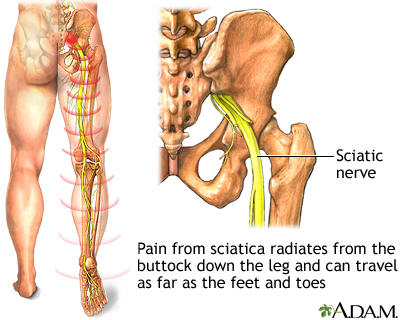
Living with Sciatica and Arthritis


Yes! Sciatica can be quite painful, but several natural and medical approaches can help relieve discomfort and promote healing. Here are some recommendations:

Lifestyle & Home Remedies

  1. Gentle Stretching & Yoga:
    1. Pigeon pose, seated spinal twist, and hamstring stretches can help relieve pressure on the sciatic nerve.
    2. Avoid sudden or jerky movements that might aggravate it.
  2. Hot & Cold Therapy:
    1. Apply an ice pack for the first 48 hours (15-20 minutes at a time) to reduce inflammation.
    2. Switch to heat therapy (heating pad or warm bath) to relax tight muscles after the initial swelling goes down.
  3. Posture & Movement:
    1. Avoid prolonged sitting—take breaks and walk around.
    2. Maintain good posture, especially when sitting or lifting objects.
  4. Anti-Inflammatory Diet:
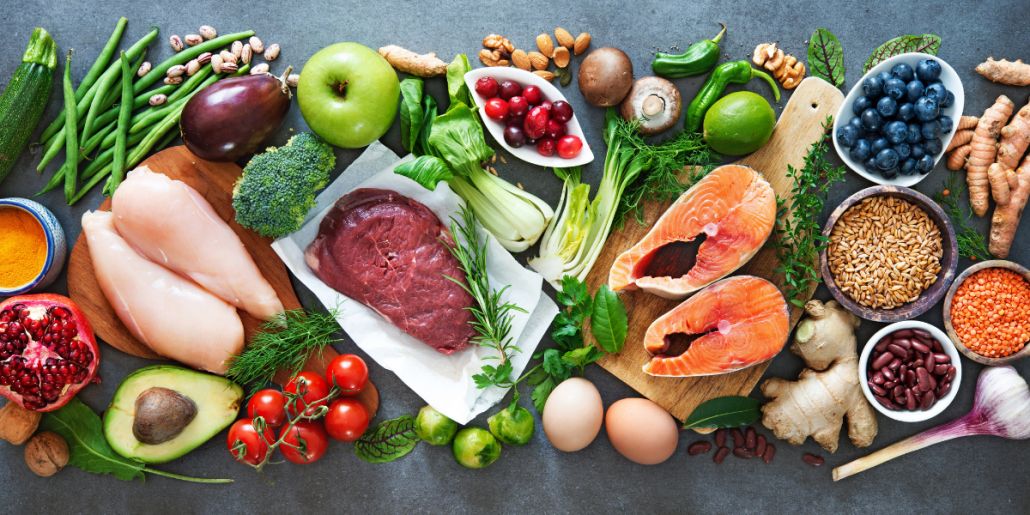
    1. Include turmeric, ginger, leafy greens, berries, and omega-3-rich foods (like salmon or flaxseeds).
    2. Avoid processed foods, sugar, and excessive caffeine.

Alternative & Natural Treatments

  1. Chiropractic Adjustments – Can help realign the spine and relieve nerve compression.
  2. Acupuncture – Many find relief through acupuncture by reducing nerve pain and inflammation.
  3. Massage Therapy – Deep tissue massage can ease tight muscles pressing on the sciatic nerve.
  4. Epsom Salt Baths – Helps relax muscles and reduce nerve pain.
  5. Essential Oils – Peppermint, eucalyptus, and lavender oils mixed with a carrier oil can be massaged into the affected area for relief.

Medical Treatments (If Needed)


TIPS F0R ARTHRITIS


Arthritis can be managed effectively with a combination of lifestyle changes, natural remedies, and, if needed, medical treatments. Here are some helpful tips to reduce pain, improve mobility, and support joint health:


1. Stay Active with Gentle Exercise

  • Low-impact activities: Swimming, walking, tai chi, and cycling help keep joints flexible without straining them.
  • Stretching & yoga: Helps maintain mobility and reduce stiffness.
  • Strength training: Builds muscles around joints for better support.

Tip: Avoid overexertion; balance movement with rest.


2. Manage Inflammation with Diet

Best foods for arthritis:

  • Omega-3-rich foods: Salmon, flaxseeds, walnuts
  • Anti-inflammatory spices: Turmeric & ginger
  • Leafy greens & berries: Spinach, kale, blueberries
  • Healthy fats: Olive oil, avocados
  • Nuts & seeds: Almonds, chia seeds

Foods to avoid:

  • Processed foods & refined sugars
  • Fried & greasy foods
  • Excess dairy (for some, it can trigger inflammation)

3. Natural Remedies & Supplements

  • Turmeric (Curcumin): A powerful anti-inflammatory
  • Ginger: Helps reduce stiffness and pain
  • Boswellia (Frankincense): Known for reducing joint pain
  • Collagen & Bone Broth: Supports joint repair
  • Glucosamine & Chondroitin: Can improve joint health over time
  • Vitamin D & Calcium: Essential for bone strength

Tip: Always check with a doctor before starting new supplements.


4. Keep Joints Warm & Relaxed

  • Apply heat therapy: Warm compresses, heating pads, or hot baths
  • Cold packs for swelling: Helps reduce pain after activity
  • Epsom salt baths: Magnesium helps relax muscles and ease discomfort

5. Maintain a Healthy Weight

  • Extra weight puts pressure on joints, especially knees, hips, and back.
  • Losing even a few pounds can significantly reduce pain and improve mobility.

6. Alternative Therapies

  • Acupuncture: Helps with pain relief
  • Massage therapy: Relaxes muscles and improves circulation
  • Essential oils: Peppermint, eucalyptus, and frankincense for pain relief
  • Chiropractic care: Can help with joint alignment and mobility

7. Stress Management & Mental Well-being

  • Meditation & deep breathing – Helps with pain perception
  • Adequate sleep – Poor sleep can worsen inflammation
  • Gentle movement throughout the day – Avoid long periods of inactivity

Arthritis-Friendly Recipes

These meals are packed with anti-inflammatory ingredients to help reduce pain and stiffness.

1. Turmeric Ginger Smoothie (Anti-Inflammatory Boost)

? Ingredients:

  • 1 banana
  • 1/2 cup frozen mango
  • 1 tsp turmeric
  • 1/2 tsp grated ginger
  • 1 cup almond milk (or coconut milk)
  • 1/2 tsp cinnamon
  • 1 tsp honey (optional)
  • Ice cubes

? Instructions:

  • Blend all ingredients until smooth.
  • Drink in the morning for a natural anti-inflammatory boost!

2. Omega-3 Loaded Salmon & Quinoa Bowl

? Ingredients:

  • 1 salmon fillet (rich in omega-3s)
  • 1/2 cup cooked quinoa
  • 1/2 cup steamed spinach or kale
  • 1/4 avocado (healthy fats)
  • 1 tbsp olive oil
  • Juice of 1/2 lemon
  • 1/2 tsp turmeric & black pepper

? Instructions:

  1. Season salmon with turmeric, black pepper, and a drizzle of olive oil.
  2. Bake at 375°F (190°C) for 15 minutes or until fully cooked.
  3. Serve over quinoa, add greens, avocado, and a squeeze of lemon.

Tip: Swap salmon for grilled tofu or chickpeas for a plant-based option.


3. Joint-Soothing Bone Broth Soup

? Ingredients:

  • 4 cups bone broth (chicken or beef)
  • 1/2 cup chopped carrots
  • 1/2 cup celery
  • 1 tsp turmeric
  • 1 clove garlic (anti-inflammatory)
  • 1/2 tsp ginger
  • 1/2 cup cooked brown rice or quinoa

? Instructions:

  1. Simmer all ingredients in a pot for 20 minutes.
  2. Enjoy the warmth to soothe joints and boost collagen production!

4. Golden Milk (Anti-Inflammatory Evening Drink)

? Ingredients:

  • 1 cup warm almond or coconut milk
  • 1/2 tsp turmeric
  • 1/4 tsp cinnamon
  • 1/2 tsp grated ginger
  • 1 tsp honey (optional)

? Instructions:

  • Warm milk, stir in all ingredients and sip before bed for relaxation and pain relief.

Arthritis Meal Plan & Foods to Avoid

This meal plan is designed to reduce inflammation, support joint health, and boost mobility with nutrient-dense, anti-inflammatory foods.

? Foods to Avoid (They Trigger Inflammation!)


Processed Foods & Refined Sugars: Cakes, cookies, soda, candy, and white bread.
Fried & Fast Foods: French fries, chips, fried chicken, processed meats.
Dairy (For Some People): Cheese, milk, ice cream (try plant-based alternatives).
Red Meat (Limit): Too much beef, pork, and lamb can increase inflammation.
Nightshade Vegetables (For Some People): Tomatoes, eggplants, peppers, and potatoes may worsen arthritis in sensitive individuals.

Tip: Everyone is different! Test which foods affect you personally and adjust accordingly.


? Best Foods for Arthritis Relief

Omega-3-Rich Foods: Salmon, sardines, walnuts, flaxseeds, and chia seeds.
Leafy Greens: Spinach, kale, Swiss chard, and collard greens.
Colorful Berries: Blueberries, strawberries, raspberries (packed with antioxidants).
Nuts & Seeds: Almonds, walnuts, chia seeds, flaxseeds.
Whole Grains: Quinoa, brown rice, oats, and buckwheat (instead of white rice and pasta).
Healthy Fats: Olive oil, avocados, coconut oil (avoid vegetable oils).
Anti-Inflammatory Spices: Turmeric, ginger, cinnamon, garlic, cayenne pepper.
Legumes & Beans: Chickpeas, lentils, black beans (high in fiber and protein).
Hydrating Fruits: Watermelon, oranges, apples, and pomegranates (reduce joint pain).


? 3-Day Arthritis Meal Plan ?

Each day includes anti-inflammatory meals designed to nourish your joints!

? Day 1: Omega-3 & Antioxidant Boost

Breakfast: Turmeric-Ginger Oatmeal

  • Oats cooked with almond milk, turmeric, cinnamon, ginger, walnuts, and honey.

Lunch: Mediterranean Quinoa Salad

  • Quinoa, spinach, cucumbers, olives, cherry tomatoes, and chickpeas with olive oil & lemon dressing.

Snack: Anti-Inflammatory Smoothie

  • Blueberries, flaxseeds, almond milk, and a pinch of turmeric.

Dinner: Baked Salmon with Roasted Sweet Potatoes & Steamed Broccoli

  • Season salmon with olive oil, turmeric, garlic, and black pepper.

? Day 2: Gut & Joint Health Focus

Breakfast: Avocado Toast with Poached Egg & Turmeric

  • Whole-grain toast, avocado, poached egg, turmeric, and a sprinkle of sesame seeds.

Lunch: Bone Broth Soup with Chickpeas & Kale

  • Simmer bone broth with chickpeas, kale, turmeric, and garlic.

Snack: Handful of Almonds & Dark Chocolate

  • Rich in antioxidants and healthy fats.

Dinner: Grilled Chicken with Quinoa & Roasted Brussels Sprouts

  • Olive oil, black pepper, and lemon zest for seasoning.

? Day 3: Repair & Rejuvenate

Breakfast: Chia Seed Pudding

  • Chia seeds soaked overnight in coconut milk, topped with berries & honey.

Lunch: Lentil & Spinach Stew

  • Lentils, spinach, garlic, turmeric, cumin, and carrots.

Snack: Green Tea with Dark Chocolate & Walnuts

  • Green tea fights inflammation and boosts metabolism.

Dinner: Stir-Fry with Tofu, Mushrooms & Brown Rice

  • Cook with ginger, garlic, and olive oil.

? Extra Tips for Arthritis Management ?

Stay Hydrated: Drink plenty of water to flush out toxins.
Get Enough Vitamin D: Spend time in the sun or take a supplement.
Move Every Hour: Avoid prolonged sitting—gentle movement keeps joints flexible.
Prioritize Sleep: Poor sleep increases inflammation. Try magnesium or chamomile tea before bed.

Arthritis-Friendly Snack Ideas

These snacks are anti-inflammatory, nutrient-dense, and easy to prepare, helping to reduce joint pain, boost energy, and support mobility.


? 1. Avocado & Turmeric Crackers

Why it helps: Avocados provide healthy fats, while turmeric fights inflammation.
How to make it:

  • Mash 1/2 avocado with a pinch of turmeric, black pepper, and lemon juice.
  • Spread on whole-grain or seed-based crackers.

? 2. Handful of Nuts & Seeds

Why it helps: Almonds, walnuts, and chia seeds contain omega-3s and vitamin E, reducing joint stiffness.
How to eat it:

  • Mix walnuts, almonds, chia seeds, and sunflower seeds in a small container for an on-the-go snack.

? 3. Banana & Peanut Butter (or Almond Butter)

Why it helps: Bananas provide potassium to reduce muscle cramps, and nut butter offers healthy fats.
How to make it:

  • Slice half a banana and dip it in natural peanut or almond butter.

? 4. Golden Milk (Turmeric Latte)

Why it helps: Turmeric, ginger, and cinnamon reduce inflammation and support digestion.
How to make it:

  • Warm 1 cup almond milk and stir in 1/2 tsp turmeric, 1/4 tsp cinnamon, 1/2 tsp grated ginger, and honey.

? 5. Dark Chocolate & Walnuts

Why it helps: Dark chocolate (70% cocoa or higher) is rich in antioxidants, while walnuts provide omega-3s.
How to eat it:


? 6. Apple Slices with Cinnamon & Honey

Why it helps: Apples contain fiber and antioxidants, and cinnamon is anti-inflammatory.
How to make it:

  • Slice an apple, sprinkle with cinnamon, and drizzle with honey.

? 7. Ginger & Lemon Detox Water

Why it helps: Ginger fights joint pain, and lemon detoxes the body.
How to make it:

  • Add slices of fresh ginger & lemon to warm or cold water.

? 8. Carrot & Hummus Sticks

Why it helps: Carrots are high in vitamin A, and hummus is rich in fiber and protein.
How to eat it:

  • Dip carrot or celery sticks into hummus for a satisfying snack.

? 9. Orange & Chia Seed Yogurt Bowl

Why it helps: Oranges are rich in vitamin C, which supports collagen and joint health.
How to make it:

  • Mix 1/2 cup plain Greek yogurt with 1 tbsp chia seeds, and add orange slices.

? 10. Guacamole with Cucumber Slices

Why it helps: Avocados provide healthy fats, and cucumbers are hydrating for joints.
How to make it:

  • Mash 1/2 avocado, add lemon juice, garlic, and black pepper.
  • Use cucumber slices as dippers instead of chips.

? 11. Hard-boiled egg with Olive Oil & Paprika

Why it helps: Eggs are rich in protein, and olive oil fights inflammation.
How to make it:

  • Slice a hard-boiled egg and drizzle with olive oil & a pinch of paprika.

? 12. Olives & Cheese Plate

Why it helps: Olives provide healthy fats, and goat cheese or feta is easier to digest than dairy-heavy cheeses.
How to eat it:

  • Pair olives with goat cheese and whole-grain crackers.

? Arthritis-Friendly Grocery List

This list includes anti-inflammatory, nutrient-rich foods that help reduce joint pain, improve mobility, and boost overall health.


? Vegetables (Anti-Inflammatory & Antioxidant-Rich)

? Spinach
? Kale
? Swiss chard
? Broccoli
? Carrots
? Bell peppers (only if nightshades don’t affect you)
? Brussels sprouts
? Sweet potatoes
? Mushrooms
? Onions & garlic


? Fruits (High in Antioxidants & Vitamin C)

? Blueberries
? Strawberries
? Raspberries
? Oranges
? Apples
? Cherries (reduces gout & arthritis pain)
? Bananas (potassium for muscle support)
? Watermelon (hydrating & anti-inflammatory)
? Pomegranates (helps with joint inflammation)


? Proteins (Joint-Healthy Choices)

? Wild-caught salmon (rich in omega-3s)
? Sardines
? Tuna
? Free-range chicken
? Grass-fed beef (in moderation)
? Eggs
? Lentils & chickpeas (plant-based protein)
? Tofu & tempeh


? Nuts & Seeds (Healthy Fats & Joint Protection)

? Walnuts (omega-3s)
? Almonds (vitamin E for joints)
? Chia seeds
? Flaxseeds
? Sunflower seeds
? Pumpkin seeds


? Whole Grains (Reduce Inflammation & Support Digestion)

? Quinoa
? Brown rice
? Oats
? Buckwheat
? Whole grain or sprouted bread


?? Healthy Fats (Lubricate Joints & Reduce Stiffness)

? Extra virgin olive oil
? Coconut oil
? Avocados
? Ghee (clarified butter, good for digestion)


? Spices & Herbs (Natural Anti-Inflammatories)

? Turmeric (curcumin reduces joint pain)
? Ginger (soothes inflammation)
? Cinnamon (stabilizes blood sugar & reduces stiffness)
? Cayenne pepper (boosts circulation)
? Black pepper (helps absorb turmeric better)


? Dairy & Dairy Alternatives (If Tolerated)

? Plain Greek yogurt (probiotics for gut health)
? Almond or coconut milk
? Goat cheese or feta (easier to digest)


? Beverages (Hydrating & Healing)

? Green tea (antioxidant powerhouse)
? Bone broth (collagen for joint support)
? Ginger tea (reduces inflammation)
? Golden milk (turmeric latte with almond milk)
? Water with lemon (hydration & detox)


? Foods to Avoid (Trigger Inflammation)

? Processed foods (chips, frozen meals, fast food)
? Sugary foods (soda, candy, pastries)
? White bread & refined carbs (increases inflammation)
? Fried foods (fries, onion rings)
? Too much red meat (limit beef & pork)
? Vegetable oils (canola, corn, soybean)
? Dairy (for some, it worsens inflammation)


? Arthritis-Relief Smoothies & Drinks ?

? 1. Anti-Inflammatory Turmeric Smoothie

Ingredients:

  • 1 cup almond milk
  • 1/2 banana
  • 1/2 tsp turmeric
  • 1/2 tsp cinnamon
  • 1 tsp flaxseeds
  • 1 tsp honey

Instructions:

  • Blend all ingredients and enjoy!

? 2. Ginger Green Detox Smoothie

Ingredients:

  • 1 cup spinach
  • 1/2 cucumber
  • 1/2 apple
  • 1/2 tsp grated ginger
  • 1/2 lemon juice
  • 1 cup coconut water

Instructions:

  • Blend everything together. Great for reducing stiffness and boosting energy!

? 3. Cherry & Flaxseed Joint-Healing Smoothie

Ingredients:

  • 1 cup frozen cherries
  • 1 tbsp flaxseeds
  • 1/2 cup Greek yogurt (or almond milk)
  • 1/2 tsp cinnamon
  • 1/2 cup water

Instructions:

  • Blend and enjoy. Cherries help reduce arthritis pain naturally.

Sara Troy lives with this as well as Fibromyalgia, and it is a battle daily to keep the body happy. Find something you love to do and keep your spirit high, for it eases the pain, and lifts you up to cope with these challenges.

Sara Troy

Living with Sciatica and ARTHRITIS


Yes! Sciatica can be quite painful, but several natural and medical approaches can help relieve discomfort and promote healing. Here are some recommendations:

Lifestyle & Home Remedies

  1. Gentle Stretching & Yoga:
    1. Pigeon pose, seated spinal twist, and hamstring stretches can help relieve pressure on the sciatic nerve.
    1. Avoid sudden or jerky movements that might aggravate it.
  2. Hot & Cold Therapy:
    1. Apply an ice pack for the first 48 hours (15-20 minutes at a time) to reduce inflammation.
    1. Switch to heat therapy (heating pad or warm bath) to relax tight muscles after the initial swelling goes down.
  3. Posture & Movement:
    1. Avoid prolonged sitting—take breaks and walk around.
    1. Maintain good posture, especially when sitting or lifting objects.
  4. Anti-Inflammatory Diet:
    1. Include turmeric, ginger, leafy greens, berries, and omega-3-rich foods (like salmon or flaxseeds).
    1. Avoid processed foods, sugar, and excessive caffeine.

Alternative & Natural Treatments

  1. Chiropractic Adjustments – Can help realign the spine and relieve nerve compression.
  2. Acupuncture – Many find relief through acupuncture by reducing nerve pain and inflammation.
  3. Massage Therapy – Deep tissue massage can ease tight muscles pressing on the sciatic nerve.
  4. Epsom Salt Baths – Helps relax muscles and reduce nerve pain.
  5. Essential Oils – Peppermint, eucalyptus, and lavender oils mixed with a carrier oil can be massaged into the affected area for relief.

Medical Treatments (If Needed)


TIPS F0R ARTHRITIS


Arthritis can be managed effectively with a combination of lifestyle changes, natural remedies, and, if needed, medical treatments. Here are some helpful tips to reduce pain, improve mobility, and support joint health:


1. Stay Active with Gentle Exercise

  • Low-impact activities: Swimming, walking, tai chi, and cycling help keep joints flexible without straining them.
  • Stretching & yoga: Helps maintain mobility and reduce stiffness.
  • Strength training: Builds muscles around joints for better support.

? Tip: Avoid overexertion; balance movement with rest.


2. Manage Inflammation with Diet

? Best foods for arthritis:

  • Omega-3-rich foods: Salmon, flaxseeds, walnuts
  • Anti-inflammatory spices: Turmeric & ginger
  • Leafy greens & berries: Spinach, kale, blueberries
  • Healthy fats: Olive oil, avocados
  • Nuts & seeds: Almonds, chia seeds

? Foods to avoid:

  • Processed foods & refined sugars
  • Fried & greasy foods
  • Excess dairy (for some, it can trigger inflammation)

3. Natural Remedies & Supplements

  • Turmeric (Curcumin): A powerful anti-inflammatory
  • Ginger: Helps reduce stiffness and pain
  • Boswellia (Frankincense): Known for reducing joint pain
  • Collagen & Bone Broth: Supports joint repair
  • Glucosamine & Chondroitin: Can improve joint health over time
  • Vitamin D & Calcium: Essential for bone strength

? Tip: Always check with a doctor before starting new supplements.


4. Keep Joints Warm & Relaxed

  • Apply heat therapy: Warm compresses, heating pads, or hot baths
  • Cold packs for swelling: Helps reduce pain after activity
  • Epsom salt baths: Magnesium helps relax muscles and ease discomfort

5. Maintain a Healthy Weight

  • Extra weight puts pressure on joints, especially knees, hips, and back.
  • Losing even a few pounds can significantly reduce pain and improve mobility.

6. Alternative Therapies

  • Acupuncture: Helps with pain relief
  • Massage therapy: Relaxes muscles and improves circulation
  • Essential oils: Peppermint, eucalyptus, and frankincense for pain relief
  • Chiropractic care: Can help with joint alignment and mobility

7. Stress Management & Mental Well-being

  • Meditation & deep breathing – Helps with pain perception
  • Adequate sleep – Poor sleep can worsen inflammation
  • Gentle movement throughout the day – Avoid long periods of inactivity

Arthritis-Friendly Recipes

These meals are packed with anti-inflammatory ingredients to help reduce pain and stiffness.

1. Turmeric Ginger Smoothie (Anti-Inflammatory Boost)

? Ingredients:

  • 1 banana
  • 1/2 cup frozen mango
  • 1 tsp turmeric
  • 1/2 tsp grated ginger
  • 1 cup almond milk (or coconut milk)
  • 1/2 tsp cinnamon
  • 1 tsp honey (optional)
  • Ice cubes

? Instructions:

  • Blend all ingredients until smooth.
  • Drink in the morning for a natural anti-inflammatory boost!

2. Omega-3 Loaded Salmon & Quinoa Bowl

? Ingredients:

  • 1 salmon fillet (rich in omega-3s)
  • 1/2 cup cooked quinoa
  • 1/2 cup steamed spinach or kale
  • 1/4 avocado (healthy fats)
  • 1 tbsp olive oil
  • Juice of 1/2 lemon
  • 1/2 tsp turmeric & black pepper

? Instructions:

  1. Season salmon with turmeric, black pepper, and a drizzle of olive oil.
  2. Bake at 375°F (190°C) for 15 minutes or until fully cooked.
  3. Serve over quinoa, add greens, avocado, and a squeeze of lemon.

? Tip: Swap salmon for grilled tofu or chickpeas for a plant-based option.


3. Joint-Soothing Bone Broth Soup

? Ingredients:

  • 4 cups bone broth (chicken or beef)
  • 1/2 cup chopped carrots
  • 1/2 cup celery
  • 1 tsp turmeric
  • 1 clove garlic (anti-inflammatory)
  • 1/2 tsp ginger
  • 1/2 cup cooked brown rice or quinoa

? Instructions:

  1. Simmer all ingredients in a pot for 20 minutes.
  2. Enjoy the warmth to soothe joints and boost collagen production!

4. Golden Milk (Anti-Inflammatory Evening Drink)

? Ingredients:

  • 1 cup warm almond or coconut milk
  • 1/2 tsp turmeric
  • 1/4 tsp cinnamon
  • 1/2 tsp grated ginger
  • 1 tsp honey (optional)

? Instructions:

  • Warm milk, stir in all ingredients, sip before bed for relaxation and pain relief.

Arthritis Meal Plan & Foods to Avoid

This meal plan is designed to reduce inflammation, support joint health, and boost mobility with nutrient-dense, anti-inflammatory foods.


? Foods to Avoid (They Trigger Inflammation!)

? Processed Foods & Refined Sugars: Cakes, cookies, soda, candy, and white bread.
? Fried & Fast Foods: French fries, chips, fried chicken, processed meats.
? Dairy (For Some People): Cheese, milk, ice cream (try plant-based alternatives).
? Red Meat (Limit): Too much beef, pork, and lamb can increase inflammation.
? Nightshade Vegetables (For Some People): Tomatoes, eggplants, peppers, and potatoes may worsen arthritis in sensitive individuals.

? Tip: Everyone is different! Test which foods affect you personally and adjust accordingly.


? Best Foods for Arthritis Relief

? Omega-3-Rich Foods: Salmon, sardines, walnuts, flaxseeds, and chia seeds.
? Leafy Greens: Spinach, kale, Swiss chard, and collard greens.
? Colorful Berries: Blueberries, strawberries, raspberries (packed with antioxidants).
? Nuts & Seeds: Almonds, walnuts, chia seeds, flaxseeds.
? Whole Grains: Quinoa, brown rice, oats, and buckwheat (instead of white rice and pasta).
? Healthy Fats: Olive oil, avocados, coconut oil (avoid vegetable oils).
? Anti-Inflammatory Spices: Turmeric, ginger, cinnamon, garlic, cayenne pepper.
? Legumes & Beans: Chickpeas, lentils, black beans (high in fiber and protein).
? Hydrating Fruits: Watermelon, oranges, apples, and pomegranates (reduce joint pain).


? 3-Day Arthritis Meal Plan ?

Each day includes anti-inflammatory meals designed to nourish your joints!

? Day 1: Omega-3 & Antioxidant Boost

? Breakfast: Turmeric-Ginger Oatmeal

  • Oats cooked with almond milk, turmeric, cinnamon, ginger, walnuts, and honey.

? Lunch: Mediterranean Quinoa Salad

  • Quinoa, spinach, cucumbers, olives, cherry tomatoes, and chickpeas with olive oil & lemon dressing.

? Snack: Anti-Inflammatory Smoothie

  • Blueberries, flaxseeds, almond milk, and a pinch of turmeric.

? Dinner: Baked Salmon with Roasted Sweet Potatoes & Steamed Broccoli

  • Season salmon with olive oil, turmeric, garlic, and black pepper.

? Day 2: Gut & Joint Health Focus

? Breakfast: Avocado Toast with Poached Egg & Turmeric

  • Whole-grain toast, avocado, poached egg, turmeric, and a sprinkle of sesame seeds.

? Lunch: Bone Broth Soup with Chickpeas & Kale

  • Simmer bone broth with chickpeas, kale, turmeric, and garlic.

? Snack: Handful of Almonds & Dark Chocolate

  • Rich in antioxidants and healthy fats.

? Dinner: Grilled Chicken with Quinoa & Roasted Brussels Sprouts

  • Olive oil, black pepper, and lemon zest for seasoning.

? Day 3: Repair & Rejuvenate

? Breakfast: Chia Seed Pudding

  • Chia seeds soaked overnight in coconut milk, topped with berries & honey.

? Lunch: Lentil & Spinach Stew

  • Lentils, spinach, garlic, turmeric, cumin, and carrots.

? Snack: Green Tea with Dark Chocolate & Walnuts

  • Green tea fights inflammation and boosts metabolism.

? Dinner: Stir-Fry with Tofu, Mushrooms & Brown Rice

  • Cook with ginger, garlic, and olive oil.

? Extra Tips for Arthritis Management ?

? Stay Hydrated: Drink plenty of water to flush out toxins.
? Get Enough Vitamin D: Spend time in the sun or take a supplement.
? Move Every Hour: Avoid prolonged sitting—gentle movement keeps joints flexible.
? Prioritize Sleep: Poor sleep increases inflammation. Try magnesium or chamomile tea before bed.

Arthritis-Friendly Snack Ideas

These snacks are anti-inflammatory, nutrient-dense, and easy to prepare, helping to reduce joint pain, boost energy, and support mobility.


? 1. Avocado & Turmeric Crackers

? Why it helps: Avocados provide healthy fats, while turmeric fights inflammation.
? How to make it:

  • Mash 1/2 avocado with a pinch of turmeric, black pepper, and lemon juice.
  • Spread on whole-grain or seed-based crackers.

? 2. Handful of Nuts & Seeds

? Why it helps: Almonds, walnuts, and chia seeds contain omega-3s and vitamin E, reducing joint stiffness.
? How to eat it:

  • Mix walnuts, almonds, chia seeds, and sunflower seeds in a small container for an on-the-go snack.

? 3. Banana & Peanut Butter (or Almond Butter)

? Why it helps: Bananas provide potassium to reduce muscle cramps, and nut butter offers healthy fats.
? How to make it:

  • Slice half a banana and dip it in natural peanut or almond butter.

? 4. Golden Milk (Turmeric Latte)

? Why it helps: Turmeric, ginger, and cinnamon reduce inflammation and support digestion.
? How to make it:

  • Warm 1 cup almond milk and stir in 1/2 tsp turmeric, 1/4 tsp cinnamon, 1/2 tsp grated ginger, and honey.

? 5. Dark Chocolate & Walnuts

? Why it helps: Dark chocolate (70% cocoa or higher) is rich in antioxidants, while walnuts provide omega-3s.
? How to eat it:


? 6. Apple Slices with Cinnamon & Honey

? Why it helps: Apples contain fiber and antioxidants, and cinnamon is anti-inflammatory.
? How to make it:

  • Slice an apple, sprinkle with cinnamon, and drizzle with honey.

? 7. Ginger & Lemon Detox Water

? Why it helps: Ginger fights joint pain, and lemon detoxes the body.
? How to make it:

  • Add slices of fresh ginger & lemon to warm or cold water.

? 8. Carrot & Hummus Sticks

? Why it helps: Carrots are high in vitamin A, and hummus is rich in fiber and protein.
? How to eat it:

  • Dip carrot or celery sticks into hummus for a satisfying snack.

? 9. Orange & Chia Seed Yogurt Bowl

? Why it helps: Oranges are rich in vitamin C, which supports collagen and joint health.
? How to make it:

  • Mix 1/2 cup plain Greek yogurt with 1 tbsp chia seeds, and add orange slices.

? 10. Guacamole with Cucumber Slices

? Why it helps: Avocados provide healthy fats, and cucumbers are hydrating for joints.
? How to make it:

  • Mash 1/2 avocado, add lemon juice, garlic, and black pepper.
  • Use cucumber slices as dippers instead of chips.

? 11. Hard-boiled egg with Olive Oil & Paprika

? Why it helps: Eggs are rich in protein, and olive oil fights inflammation.
? How to make it:

  • Slice a hard-boiled egg and drizzle with olive oil & a pinch of paprika.

? 12. Olives & Cheese Plate

? Why it helps: Olives provide healthy fats, and goat cheese or feta is easier to digest than dairy-heavy cheeses.
? How to eat it:

  • Pair olives with goat cheese and whole-grain crackers.

? Arthritis-Friendly Grocery List

This list includes anti-inflammatory, nutrient-rich foods that help reduce joint pain, improve mobility, and boost overall health.


? Vegetables (Anti-Inflammatory & Antioxidant-Rich)

? Spinach
? Kale
? Swiss chard
? Broccoli
? Carrots
? Bell peppers (only if nightshades don’t affect you)
? Brussels sprouts
? Sweet potatoes
? Mushrooms
? Onions & garlic


? Fruits (High in Antioxidants & Vitamin C)

? Blueberries
? Strawberries
? Raspberries
? Oranges
? Apples
? Cherries (reduces gout & arthritis pain)
? Bananas (potassium for muscle support)
? Watermelon (hydrating & anti-inflammatory)
? Pomegranates (helps with joint inflammation)


? Proteins (Joint-Healthy Choices)

? Wild-caught salmon (rich in omega-3s)
? Sardines
? Tuna
? Free-range chicken
? Grass-fed beef (in moderation)
? Eggs
? Lentils & chickpeas (plant-based protein)
? Tofu & tempeh


? Nuts & Seeds (Healthy Fats & Joint Protection)

? Walnuts (omega-3s)
? Almonds (vitamin E for joints)
? Chia seeds
? Flaxseeds
? Sunflower seeds
? Pumpkin seeds


? Whole Grains (Reduce Inflammation & Support Digestion)

? Quinoa
? Brown rice
? Oats
? Buckwheat
? Whole grain or sprouted bread


?? Healthy Fats (Lubricate Joints & Reduce Stiffness)

? Extra virgin olive oil
? Coconut oil
? Avocados
? Ghee (clarified butter, good for digestion)


? Spices & Herbs (Natural Anti-Inflammatories)

? Turmeric (curcumin reduces joint pain)
? Ginger (soothes inflammation)
? Cinnamon (stabilizes blood sugar & reduces stiffness)
? Cayenne pepper (boosts circulation)
? Black pepper (helps absorb turmeric better)


? Dairy & Dairy Alternatives (If Tolerated)

? Plain Greek yogurt (probiotics for gut health)
? Almond or coconut milk
? Goat cheese or feta (easier to digest)


? Beverages (Hydrating & Healing)

? Green tea (antioxidant powerhouse)
? Bone broth (collagen for joint support)
? Ginger tea (reduces inflammation)
? Golden milk (turmeric latte with almond milk)
? Water with lemon (hydration & detox)


? Foods to Avoid (Trigger Inflammation)

? Processed foods (chips, frozen meals, fast food)
? Sugary foods (soda, candy, pastries)
? White bread & refined carbs (increases inflammation)
? Fried foods (fries, onion rings)
? Too much red meat (limit beef & pork)
? Vegetable oils (canola, corn, soybean)
? Dairy (for some, it worsens inflammation)


? Arthritis-Relief Smoothies & Drinks ?

? 1. Anti-Inflammatory Turmeric Smoothie

? Ingredients:

  • 1 cup almond milk
  • 1/2 banana
  • 1/2 tsp turmeric
  • 1/2 tsp cinnamon
  • 1 tsp flaxseeds
  • 1 tsp honey

? Instructions:

  • Blend all ingredients and enjoy!

? 2. Ginger Green Detox Smoothie

? Ingredients:

  • 1 cup spinach
  • 1/2 cucumber
  • 1/2 apple
  • 1/2 tsp grated ginger
  • 1/2 lemon juice
  • 1 cup coconut water

? Instructions:

  • Blend everything together. Great for reducing stiffness and boosting energy!

? 3. Cherry & Flaxseed Joint-Healing Smoothie

? Ingredients:

  • 1 cup frozen cherries
  • 1 tbsp flaxseeds
  • 1/2 cup Greek yogurt (or almond milk)
  • 1/2 tsp cinnamon
  • 1/2 cup water

? Instructions:

  • Blend and enjoy. Cherries help reduce arthritis pain naturally.

Author Chat GPT


Sara Troy lives with this as well as Fibromyalgia, and it is a battle daily to keep the body happy. Find something you love to do and keep your spirit high, for it eases the pain, and lifts you up to cope with these challenges.

Sara Troy

The owner-operator of Self Discovery Wisdom and Orchard of Wisdom.org

Living with & Supporting someone with Fibromyalgia.


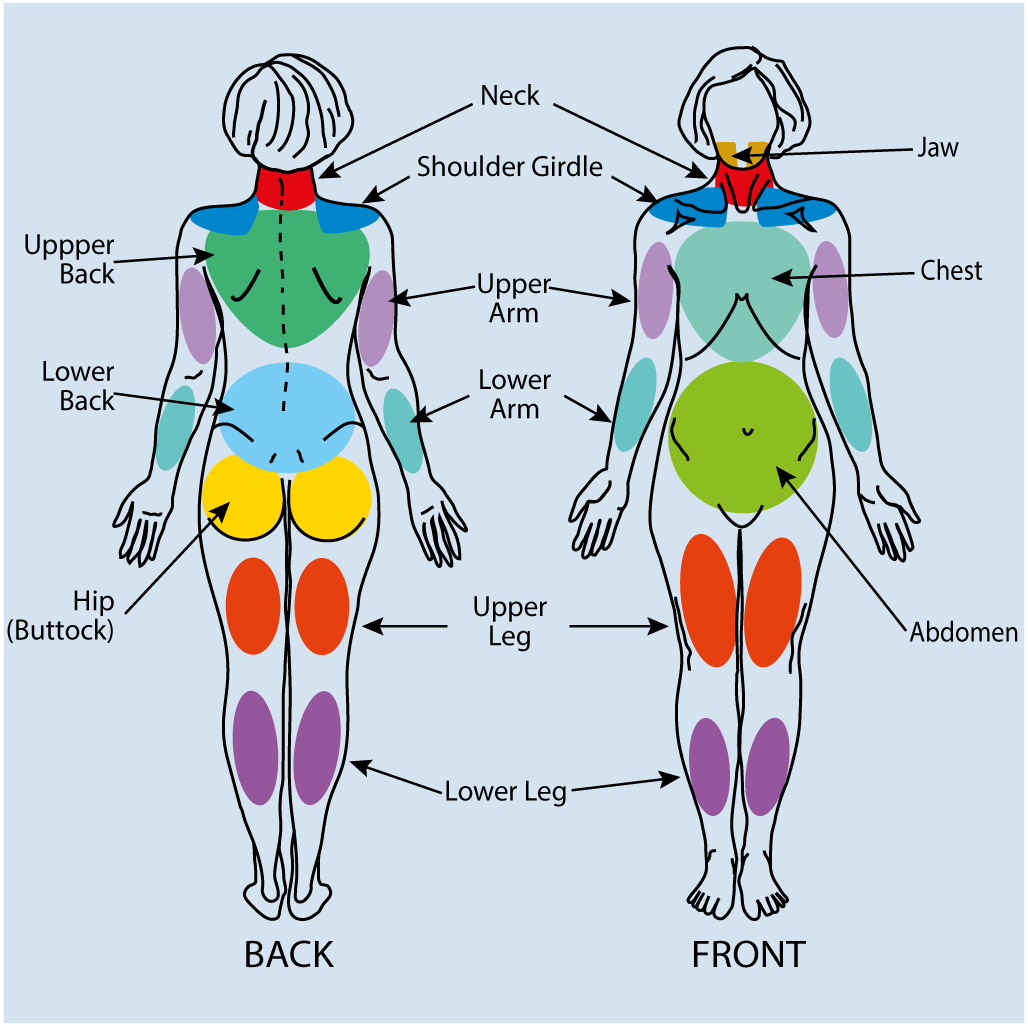
Living with Fibromyalgia: Thriving, Not Just Surviving

Living with fibromyalgia is about finding balance, managing symptoms, and making peace with your body’s needs. It’s a journey, but you can still lead a fulfilling life. Here’s how:


1. Accept & Honor Your Body’s Needs

  • Fibromyalgia isn’t a weakness—it’s a reality. Fighting it makes it worse.
  • Listen to your body: If it says rest, rest. If you can move, move gently.
  • Let go of guilt when you need to slow down. You’re doing your best.

2. Manage Energy Like a Budget (The Spoon Theory)

  • Think of your energy as spoons—each task costs a spoon.
  • Prioritize what matters and don’t spend spoons on things that drain you unnecessarily.
  • Pace yourself: Don’t push too hard on a good day—you might crash later.

3. Find Your Movement Sweet Spot

  • Rest is important, but too much inactivity makes things worse.
  • Gentle movement like yoga, stretching, or swimming reduces stiffness.
  • Avoid overexertion—low-impact exercise is best.
  • Listen to your body: If it’s too much today, try again tomorrow.

4. Improve Sleep Quality

  • Fibro sleep isn’t restorative, so creating a solid sleep routine is crucial:
    • Stick to a consistent bedtime.
    • Avoid screens & blue light at least an hour before bed.
    • Try magnesium, warm baths, essential oils, or herbal teas.
    • Invest in a comfortable mattress & pillows.

5. Eat to Reduce Inflammation & Support Energy

  • Anti-inflammatory foods may help reduce symptoms:
    • Omega-3s (salmon, flaxseeds, walnuts)
    • Leafy greens, berries, turmeric, and ginger
    • Hydrate with lots of water
  • Reduce processed foods, sugar, and artificial additives, as they can trigger flares.
  • Try tracking your food and symptoms to spot trigger foods.

6. Manage Pain Naturally

  • Heat therapy: Heating pads, warm baths, saunas
  • Massage & acupuncture: Helps with circulation & muscle tension
  • Epsom salt baths: Magnesium can soothe sore muscles
  • CBD or medical marijuana: Some find relief with these

7. Tame the “Fibro Fog” (Brain Fog)

  • Brain fog can make you feel scattered and forgetful. Try:
    • To-do lists & planners to track important tasks.
    • Break big tasks into small steps.
    • Mindfulness & breathing exercises to reduce stress.
    • Healthy fats (avocados, nuts, fish) to support brain function.

8. Set Boundaries & Say “No” Without Guilt

  • People might not understand your limits—you don’t have to prove anything.
  • Say “I’d love to, but I need to rest.”
  • Limit time with energy-draining people.
  • Put yourself first—self-care isn’t selfish.

9. Manage Stress & Mental Health

  • Stress makes fibromyalgia worse—find ways to calm your nervous system:
    • Meditation & breathwork (deep breathing helps calm pain)
    • Gentle movement like tai chi or qigong
    • Creative outlets (music, writing, art) to process emotions
    • Consider therapy or support groups—you don’t have to do this alone.

10. Find a Support System

  • Connect with people who get it: Fibromyalgia support groups (online or in-person) can be lifesavers.
  • Educate loved ones so they understand what you’re going through.
  • Advocate for yourself in medical settings—find a doctor who truly listens.

Final Thoughts: You Are More Than Fibromyalgia

It may be a part of your life, but it doesn’t define you.
There will be hard days, but also good ones.
Find what makes life meaningful and focus on the joy, not just survival.

Daily Hacks for Living with Fibromyalgia: Work, Relationships & Life

Living with fibromyalgia means adapting, and not giving up. Here’s how to make daily life easier, keep relationships strong, and manage work without burnout.


1. Making Daily Life Easier

? Home Hacks

  • Use a shower chair & handheld showerhead – Standing too long can be exhausting.
  • Electric can openers, lightweight cookware, and ergonomic tools – Reduce hand and wrist strain.
  • Pace housework – One task at a time. Laundry one day, vacuuming the next.
  • Sit while cooking or doing dishes – A stool in the kitchen helps conserve energy.
  • Pre-cut veggies & easy meal options – Make eating healthy simpler.
  • Wear soft, loose clothing – Avoid tight fabrics that trigger skin sensitivity.

?? Shopping & Errands

  • Grocery delivery or pickup – Save energy for things that matter.
  • Plan errands in one trip – Fewer outings mean less energy spent.
  • Use a rolling cart or backpack – Carrying heavy bags strains muscles.

? Driving & Transportation

  • Use cruise control – Reduces foot and leg fatigue.
  • Seat cushions or heating pads – Help with back pain while driving.
  • Carpool or rideshare – Saves energy for social events.

2. Work & Productivity Hacks

?? Working with Fibromyalgia

  • Talk to your employer – Many workplaces allow accommodations (flexible hours, ergonomic seating).
  • Work in blocks of time – 25–45 minutes, then a break to prevent fatigue.
  • Use voice-to-text software – Reduces strain from typing.
  • Try a standing desk option – Alternate sitting and standing to reduce stiffness.

? Managing Tasks & Focus

  • Prioritize “must-do” tasks first – Let go of perfection.
  • Use alarms & reminders – Helps with fibrofog.
  • Batch similar tasks together – Less mental strain switching between things.
  • Schedule in “buffer time” – Avoid back-to-back tasks to prevent burnout.

? Fibro Fog Fixes

  • Keep sticky notes or a planner handy – Writing things down prevents forgetfulness.
  • Record important conversations – Use your phone’s voice memo app.
  • Set up automatic bill payments – Fewer things to remember.

3. Keeping Relationships Strong

? Family & Friendships

  • Educate loved ones – They may not understand fibro, so share information.
  • Set expectations ahead of time – Example: “I might need to leave early if I get tired.”
  • Be honest, but not apologetic – It’s okay to say, “I’d love to, but my body needs rest.”
  • Plan “chill” hangouts – Movie nights, tea dates, or online chats work great.

? Romantic Relationships

  • Communicate openly – Let your partner know what you need (without guilt).
  • Plan intimacy around energy levels – Morning may be better than evening.
  • Find other ways to connect – If physical touch is painful, emotional closeness matters just as much.

????? Parenting with Fibromyalgia

  • Teach kids independence – Simple chores help lighten your load.
  • Use “lazy day” activities – Board games, movie marathons, coloring together.
  • Be present, not perfect – Your love, not your energy level, is what they’ll remember.

4. Managing Stress & Mental Health

  • Practice deep breathing – 4-7-8 breathing (inhale 4 sec, hold 7 sec, exhale 8 sec) helps relax muscles.
  • Try guided meditation or sound therapy – Helps reduce pain perception.
  • Journal thoughts & gratitude – Focuses the mind away from pain.
  • Consider therapy or support groups – You’re not alone in this journey.

Final Thoughts: Build a Life That Works for YOU

Fibromyalgia forces you to redefine success.
? Success is NOT how much you do, but how well you manage your energy.
? Your worth is NOT based on productivity, but on the love and joy you bring into your life and others.


Fibromyalgia Toolkit: Best Tools, Supplements & Mobility Aids

Having the right tools, supplements, and aids can make daily life with fibromyalgia easier and less painful. Here’s a breakdown of the best options:


1. Pain Relief & Comfort Tools

? Heat Therapy

  • Electric heating pad – Eases muscle stiffness & pain.
  • Microwavable rice/lavender bags – Great for targeted relief.
  • Heated blanket – Keeps muscles warm & reduces nighttime stiffness.
  • Warm baths with Epsom salt – Magnesium helps relax muscles.

? Cold Therapy

  • Gel ice packs – Helps with inflammation.
  • Cooling pillow – Keeps head cool for better sleep.

?? Sleep Aids

  • Memory foam mattress topper – Reduces pressure points.
  • Weighted blanket – Calms the nervous system.
  • Contoured memory foam pillow – Supports the neck to prevent pain.
  • Blackout curtains & white noise machine – Improves sleep quality.

? Alternative Pain Relief

  • TENS unit (electrotherapy) – Sends gentle electrical pulses to block pain.
  • Acupressure mat – Helps relieve tension and improve circulation.
  • CBD oil/creams – Some find relief from topical or oral CBD.

2. Best Supplements for Fibromyalgia

(Note: Always check with a doctor before taking new supplements.)

For Pain & Inflammation

  • Magnesium (Glycinate or Citrate) – Helps relax muscles, reduce cramps, and improve sleep.
  • Turmeric (Curcumin) – Natural anti-inflammatory.
  • Omega-3 Fish Oil – Reduces joint pain and brain fog.

For Energy & Brain Fog

  • Vitamin D – Deficiency is common in fibromyalgia and worsens fatigue.
  • CoQ10 – Boosts cellular energy production.
  • B-Complex Vitamins – Supports energy and reduces fibro fog.

For Sleep & Nervous System Support

  • Melatonin – Helps regulate sleep cycles.
  • Ashwagandha – Reduces stress and promotes relaxation.
  • L-Theanine – Found in green tea, helps with calming the nervous system.

3. Mobility & Accessibility Aids

? Walking & Mobility Support

  • Folding cane with a seat – Helps with balance & allows rest breaks.
  • Rolling walker with a seat – Great for longer distances.
  • Compression gloves & socks – Improves circulation & reduces hand/foot pain.
  • Orthopedic shoes or insoles – Reduces joint strain.

?? Home & Daily Task Helpers

  • Ergonomic office chair with lumbar support – Reduces back pain.
  • Reacher grabber tool – Helps pick up items without bending.
  • Electric jar & can opener – Reduces wrist strain.
  • Voice-controlled smart home devices (Alexa, Google Home) – Helps with reminders, lights, & hands-free control.

4. Adaptive Clothing & Wearable Relief

  • Compression leggings & sleeves – Helps with muscle pain & circulation.
  • Soft, tag-free clothing – Reduces skin sensitivity.
  • Slip-on shoes – Avoids bending to tie laces.
  • Heating shoulder wrap – Provides pain relief on the go.

Final Thoughts: Build Your Own Fibro-Friendly Toolkit

Fibromyalgia is different for everyone, so experiment with different tools to see what helps you most. The key is to reduce strain, improve comfort, and conserve energy.


Supporting someone with fibromyalgia


Supporting someone with fibromyalgia requires patience, understanding, and a holistic approach that considers both physical and emotional needs. Here are some key ways to support them:

1. Educate Yourself

  • Learn about fibromyalgia, its symptoms, and triggers.
  • Understand that it’s a real condition, even though it’s often invisible.
  • Recognize that pain, fatigue, brain fog, and sensitivity are real challenges they face.

2. Believe & Validate Their Experience

  • Avoid saying, “But you don’t look sick.”
  • Acknowledge their pain and struggles rather than questioning them.
  • Say things like, “I’m here for you,” or “I believe you.”

3. Be Flexible & Accommodating

  • Understand that their energy levels fluctuate daily.
  • Plans may need to be adjusted or canceled at the last minute.
  • Offer low-energy alternatives like quiet meetups, short visits, or online chats.

4. Encourage a Healthy Lifestyle

  • Movement, not strain: Encourage gentle exercise like yoga, stretching, or swimming.
  • Nutrition: Help them explore anti-inflammatory foods that may help.
  • Sleep hygiene: Support efforts to improve sleep quality (comfortable mattress, relaxation techniques).

5. Be Patient with Mental Fog (“Fibro Fog”)

  • Memory and concentration can be affected.
  • Help them with reminders, note-taking, or organizing tasks.
  • Avoid frustration if they forget details or repeat things.

6. Help with Daily Tasks (Without Taking Over)

  • Simple things like grocery shopping, meal prepping, or house chores can be overwhelming.
  • Ask, “How can I make your day easier?” instead of assuming.

7. Respect Their Limits & Triggers

  • Fibromyalgia can be worsened by stress, noise, weather, or certain foods.
  • Be mindful of their sensory sensitivities (bright lights, loud music, strong smells).
  • Don’t push them to do more than they can handle.

8. Encourage Stress Management & Mental Health Care

  • Fibromyalgia is linked to chronic stress and emotional trauma.
  • Support their mental health efforts, whether it’s therapy, meditation, or creative outlets.
  • Encourage self-compassion and rest rather than pushing through pain.

9. Advocate for Their Needs

  • Many people with fibromyalgia struggle to be taken seriously by doctors, workplaces, or even family.
  • Help them navigate medical appointments or advocate for accommodations at work.

10. Just Be There

  • Sometimes, the best support is just listening without offering solutions.
  • A warm presence, a gentle hug, or simply checking in can mean the world.

Living with fibromyalgia can be challenging, but the right tools and supplements can make a significant difference. Here are some recommended products to help manage symptoms:

Topricin FIBRO Pain Relieving Cream
A topical cream specifically formulated to reduce the intensity and duration of fibromyalgia episodes.

amazon.com

Fibro Cream 6 Oz by Topricin, Pack of 2 - Walmart.com - Walmart.com

MARNUR Weighted Heating Pad
This 18″x33″ heating pad provides full-body heat therapy with six adjustable heat levels and a two-hour auto shut-off feature, aiding in muscle relaxation and pain relief.

the-sun.com

MARNUR 12"x24" Weighted Heating Pad for Back Pain Relief, 2.6lb Extra

PD VARS Physician Designed Copper Balance Supplement
A supplement designed to support individuals with fibromyalgia, aiming to reduce nerve pain and cognitive fog with a blend of essential vitamins.

amazon.com

PD VARS Copper Balance Supplement - Fibromyalgia Philippines | Ubuy

MagniLife Fibromyalgia Support Tablets
Quick-dissolving tablets formulated to provide relief from muscle aches, pain, and fatigue associated with fibromyalgia.

walmart.com

Amazon.com: MagniLife Fibromyalgia Support, Fast-Acting Relief for Arthritis, Muscle Aches, Pain ...

Quell Wearable Pain Relief Device
An FDA-approved wearable device that uses Transcutaneous Electrical Nerve Stimulation (TENS) technology to offer drug-free relief from chronic pain.

en.wikipedia.org

Quell Wearable Pain Relief Technology Kit, 5 pc - Walmart.com

Before starting any new supplement or therapy, it’s essential to consult with a healthcare professional to ensure it’s appropriate for your specific needs and conditions.

Incorporating these products into your daily routine may help alleviate some of the discomfort associated with fibromyalgia, leading to an improved quality of life.

Author Chat GPT


I HAVE LIVED WITH fIBRO FOR NEAR ON 29 YEARS AND KNOW THE CHALLENGES IS BRINGS TO OUR DAILY LIVES. I HAVE DONE MANY SHOWS ON IT INCLUDING A LEADING DOCTOR ON THE SUBJECT.

If you have Fibromyalgia, this can be a good place to just be you and get support.

https://www.myfibroteam.com

MORE INFORMATION AND PODCASTS ON FIBROMYALGIA

2019/07/29/what-is-fibromyalgia

2017/09/29/fibromyalgia-and-myofascial-pain

https://selfdiscoverywisdom.com/?s=-fibromyalgia


FIND MORE SHOWS OF ILLUMINATION HERE

Discover the sites we share on linktr.ee/saratroy

BE OUR GUEST AND SHARE THE WISDOM