Ignite your heart and soul with Sara Troy and her guest Dr Ais Esther, on air from July 21st
I would like to talk about archetypes and how they can assist each of us on our individual soul path, but also us as communities, navigating collective themes. I have just completed a book on the Archetypes of the Major Arcana (tarot), and these are the basic characters and tendencies that we meet as we walk our human path, but archetypes are found everywhere; in social and political history, or in cultural mythology, and even, if you are very adventurous, in our galactic family.
Dr Ais Esther is a lecturer, writer, and reader. She has a Doctorate in Philosophy and numerous qualifications in the healing arts. She has just completed her first book, ‘The Map: Archetypes of the Major Arcana” which will be available at the end of the year.
All of our shows/interviews are done by donation, if you enjoyed this show please support us here with either a one-time donation or subscribe and support onPatreon.
Our Forgotten Children Series with Sara Troy and her guest Stephanie Mearse, on air from July 21st.
The nonprofit butterfly element helps women and children on the streets throughout the United States. We hand out food, supplies, help with bills. We help find cars, housing and work for the women.
Our Mission is to Enhance, Empower, Encourage and Embrace families who are in a transition period due to downsizing, Covid, moving or re-organizing their lives. We provide them with services to help put forth the steps of reinvention for their future.
Published Author, Motivational Speaker, Radio Show, and Podcast. Stephanie Mearse has worked with Desert Capital Management Group as a Vice President since 2014. Stephanie has a BA in Business Management and an MBA in Business Administration from the University of Phoenix. She has been a professional in Marketing for over 15 years. In 2014, 2015, 2016, 2017, 2018 she received the company’s Top Performer Award for her commitment to excellence and outstanding performance. As a published author of “WomenStephanie Mearse, of Perfection; Perfectly Imperfect” she talks about how in today’s society women are expected to be perfect with Pinterest and social media, but the reality is we are killing ourselves with the need of obtaining this perfection. In the book, it speaks to what is the cause of this need for perfection and how can we overcome these boundaries and fears to become who we dream to be. As a Speaker, she speaks to women and men about breaking out of these fears and boundaries and achieve goals. Stephanie has a radio talk show on Sacramento’s Money 105.5 as well as a podcast “Empower Hour” on Spotify. Stephanie is co-founder of Empower Hour (Women’s Networking Group) and helps women and children off of the streets.
In her personal life, Stephanie is dedicated to her family, friends, and church. She’s actively involved in Rotary Club, The Women’s Thursday Club, and her local Chamber of Commerce. Plus, she was a recent finalist for a local Honorary Mayor position. Married with a young son and daughter, Stephanie is passionate about impacting the lives of others and helping those she meets to achieve both their professional and personal goals.
Promotion: One free consulting call. www.stephaniemearse.com Your Free Giveaway: 797979 text Perfection for a free copy of Women of Perfection Perfectly Imperfect. My book.
Choose Positive Living with Sara Troy and her guest Jonathan Jakubowski, on air from July 21st
Americans live in an era of increasing political turmoil where tensions are heightened and conflict is the new normal.
Having grown up in this environment, millennials know nothing different. Their experiences have driven them toward disillusionment and frustration with the political norm. In sum, they have caught a case of the Bellwether Blues. The resulting skepticism has brought out the worst in those who engage in political dialogue, only adding fuel to the fire.
In an era where the political world is ablaze with hatred, Bellwether Blues offers a highly effective antidote. Rather than allowing the ends to justify the means, Jonathan Jakubowski encourages conservatives to rethink their approach to reaching the millennial generation. Fight or flight might be the natural response to conflict, but there is a third option for conservatives if they choose: Make friends. This counterintuitive approach is gleaned through the stories of seven millennials in Wood County, Ohio who changed their voting preferences from liberal to conservative.
Jonathan Jakubowski is the Author of Bellwether Blues, A Conservative Awakening of the Millennial Soul. He is also Director of SmartSolve, an award-winning startup business focused on sustainable packaging. Jonathan received his undergraduate degree from Bowling Green State University and Masters Degree in Public Policy from Georgetown University. Jonathan is the Founder of Champions in Action and is the Chairman of the Forge Leadership Network Board of Directors. Jonathan is the Executive Committee Chairman of the Wood County Republican Party and sits on the Wood County Board of Elections.
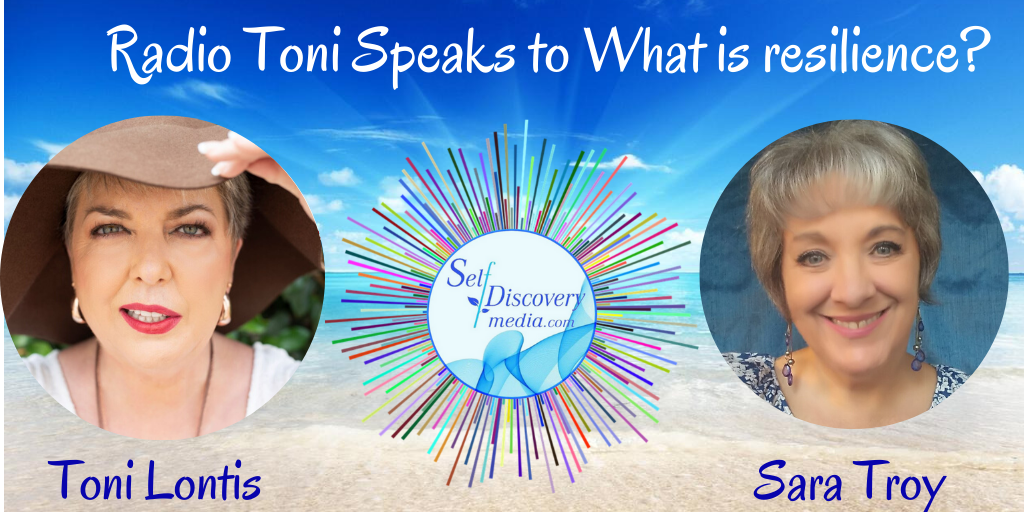
Choose Positive Living with Sara Troy and her guest Radio Toni Lontis August 21
Life may not come with a map, but everyone will experience twists and turns, from everyday challenges to traumatic events with more lasting impact, like the death of a loved one, a life-altering accident or a serious illness. Each change affects people differently, bringing a unique flood of thoughts, strong emotions, and uncertainty. Yet people generally adapt well over time to life-changing situations and stressful situations — in part thanks to resilience. READ MORE HERE
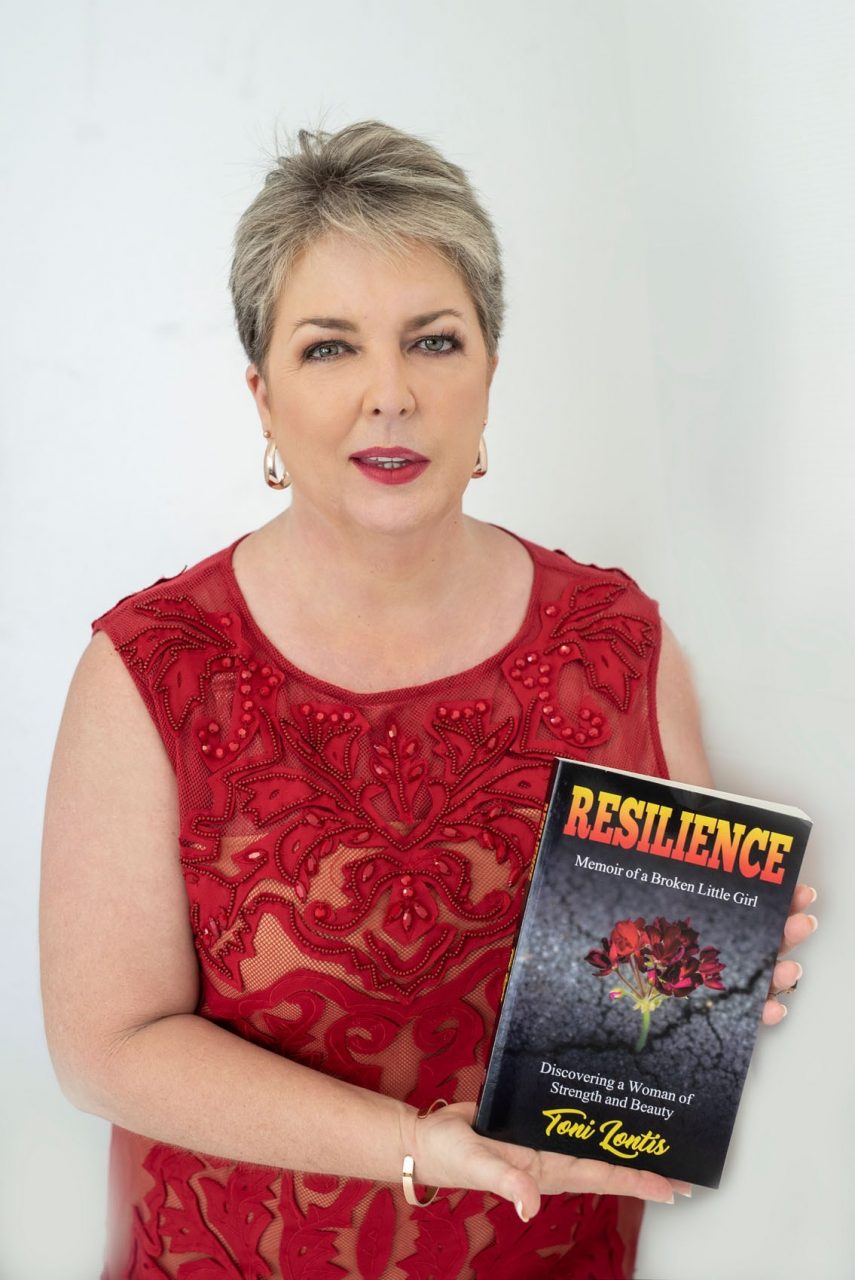
After 35yrs in nursing across many specialties and levels of heath, Toni sat down in 2018 to write about her life after being encouraged to do so during her healing and self discovery processes. Resilience Memoir of a Broken Little Girl discovering a woman of strength and beauty, was published in Jan 2019. In her book, Toni talks candidly about her colourful life. This powerful account is an unexpected page-turner that has you on the edge of your seat wondering what happens next. From her early childhood battle with a congenital facial defect, through debilitating battles in school to her traumatic entry into the adult world. It details her struggle with anxiety and depression, low self-esteem, and a longing for love and happiness.
After publishing her memoir Toni embarked on a marketing strategy the included working with and on social media, increasing her social media presence and creating networks of people. During this time she also produced the audio book and was introduced to the power of the spoken word. This lead to a conversation about podcasting, a phone call about online radio and Radio Toni was born.
Toni now has multiple live shows on many different platforms and uses the power of the spoken word to tell the stories that the world needs to hear. Believing that everybody has a story, everyone has something to say and she helps you say it.
All of our shows/interviews are done by donation, if you enjoyed this show please support us here with either a one-time donation or subscribe and support onPatreon.
Life may not come with a map, but everyone will experience twists and turns, from everyday challenges to traumatic events with more lasting impact, like the death of a loved one, a life-altering accident or a serious illness. Each change affects people differently, bringing a unique flood of thoughts, strong emotions and uncertainty. Yet people generally adapt well over time to life-changing situations and stressful situations — in part thanks to resilience.
Psychologists define resilience as the process of adapting well in the face of adversity, trauma, tragedy, threats or significant sources of stress — such as family and relationship problems, serious health problems, or workplace and financial stressors. As much as resilience involves “bouncing back” from these difficult experiences, it can also involve profound personal growth.
While these adverse events, much like rough river waters, are certainly painful and difficult, they don’t have to determine the outcome of your life. There are many aspects of your life you can control, modify and grow with. That’s the role of resilience. Becoming more resilient not only helps you get through difficult circumstances, it also empowers you to grow and even improve your life along the way.
Being resilient doesn’t mean that a person won’t experience difficulty or distress. People who have suffered major adversity or trauma in their lives commonly experience emotional pain and stress. In fact, the road to resilience is likely to involve considerable emotional distress.
While certain factors might make some individuals more resilient than others, resilience isn’t necessarily a personality trait that only some people possess. On the contrary, resilience involves behaviors, thoughts and actions that anyone can learn and develop. The ability to learn resilience is one reason research has shown that resilience is ordinary, not extraordinary. One example is the response of many Americans to the Sept. 11, 2001 terrorist attacks and individuals’ efforts to rebuild their lives after tragedy.
Like building a muscle, increasing your resilience takes time and intentionality. Focusing on four core components — connection, wellness, healthy thinking and meaning — can empower you to withstand and learn from difficult and traumatic experiences. To increase your capacity for resilience to weather — and grow from — the difficulties, use these strategies.
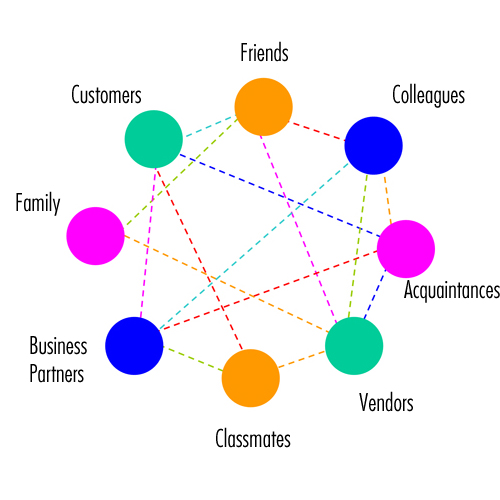
Build your connections
Prioritize relationships. Connecting with empathetic and understanding people can remind you that you’re not alone in the midst of difficulties. Focus on finding trustworthy and compassionate individuals who validate your feelings, which will support the skill of resilience.
The pain of traumatic events can lead some people to isolate themselves, but it’s important to accept help and support from those who care about you. Whether you go on a weekly date night with your spouse or plan a lunch out with a friend, try to prioritize genuinely connecting with people who care about you.
Join a group.
Along with one-on-one relationships, some people find that being active in civic groups, faith-based communities, or other local organizations provides social support and can help you reclaim hope. Research groups in your area that could offer you support and a sense of purpose or joy when you need it.
Foster wellness
Take care of your body.
Self-care may be a popular buzzword, but it’s also a legitimate practice for mental health and building resilience. That’s because stress is just as much physical as it is emotional. Promoting positive lifestyle factors like proper nutrition, ample sleep, hydration and regular exercise can strengthen your body to adapt to stress and reduce the toll of emotions like anxiety or depression.
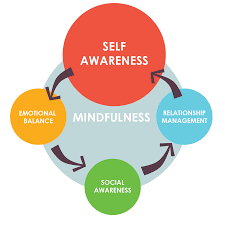
Practice mindfulness
Mindful journaling, yoga, and other spiritual practices like prayer or meditation can also help people build connections and restore hope, which can prime them to deal with situations that require resilience. When you journal, meditate or pray, ruminate on positive aspects of your life and recall the things you’re grateful for, even during personal trials.
Avoid negative outlets. It may be tempting to mask your pain with alcohol, drugs or other substances, but that’s like putting a bandage on a deep wound. Focus instead on giving your body resources to manage stress, rather than seeking to eliminate the feeling of stress altogether.
Find purpose
Help others. Whether you volunteer with a local homeless shelter or simply support a friend in their own time of need, you can garner a sense of purpose, foster self-worth, connect with other people and tangibly help others, all of which can empower you to grow in resilience.
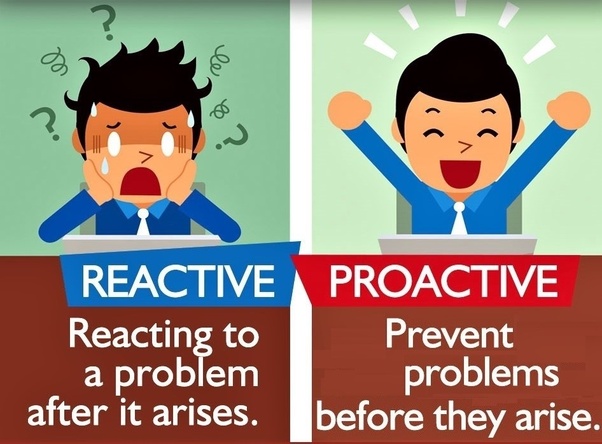
Be proactive.
It’s helpful to acknowledge and accept your emotions during hard times, but it’s also important to help you foster self-discovery by asking yourself, “What can I do about a problem in my life?” If the problems seem too big to tackle, break them down into manageable pieces.
For example, if you got laid off at work, you may not be able to convince your boss it was a mistake to let you go. But you can spend an hour each day developing your top strengths or working on your resume. Taking initiative will remind you that you can muster motivation and purpose even during stressful periods of your life, increasing the likelihood that you’ll rise up during painful times again.
Move toward your goals.
Develop some realistic goals and do something regularly — even if it seems like a small accomplishment — that enables you to move toward the things you want to accomplish. Instead of focusing on tasks that seem unachievable, ask yourself, “What’s one thing I know I can accomplish today that helps me move in the direction I want to go?” For example, if you’re struggling with the loss of a loved one and you want to move forward, you could join a grief support group in your area.
Look for opportunities for self-discovery.
People often find that they have grown in some respect as a result of a struggle. For example, after a tragedy or hardship, people have reported better relationships and a greater sense of strength, even while feeling vulnerable. That can increase their sense of self-worth and heighten their appreciation for life.
Embrace healthy thoughts
Keep things in perspective. How you think can play a significant part in how you feel — and how resilient you are when faced with obstacles. Try to identify areas of irrational thinking, such as a tendency to catastrophize difficulties or assume the world is out to get you, and adopt a more balanced and realistic thinking pattern. For instance, if you feel overwhelmed by a challenge, remind yourself that what happened to you isn’t an indicator of how your future will go, and that you’re not helpless. You may not be able to change a highly stressful event, but you can change how you interpret and respond to it.
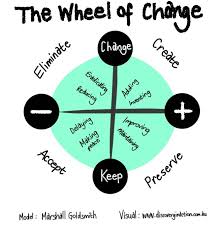
Accept change.
Accept that change is a part of life. Certain goals or ideals may no longer be attainable as a result of adverse situations in your life. Accepting circumstances that cannot be changed can help you focus on circumstances that you can alter.
Maintain a hopeful outlook.
It’s hard to be positive when life isn’t going your way. An optimistic outlook empowers you to expect that good things will happen to you. Try visualizing what you want, rather than worrying about what you fear. Along the way, note any subtle ways in which you start to feel better as you deal with difficult situations.
Learn from your past.
By looking back at who or what was helpful in previous times of distress, you may discover how you can respond effectively to new difficult situations. Remind yourself of where you’ve been able to find strength and ask yourself what you’ve learned from those experiences.
Seeking help
Getting help when you need it is crucial in building your resilience.
For many people, using their own resources and the kinds of strategies listed above may be enough for building their resilience. But at times, an individual might get stuck or have difficulty making progress on the road to resilience.
A licensed mental health professional such as a psychologist can assist people in developing an appropriate strategy for moving forward. It is important to get professional help if you feel like you are unable to function as well as you would like or perform basic activities of daily living as a result of a traumatic or other stressful life experience. Keep in mind that different people tend to be comfortable with different styles of interaction. To get the most out of your therapeutic relationship, you should feel at ease with a mental health professional or in a support group.
The important thing is to remember you’re not alone on the journey. While you may not be able to control all of your circumstances, you can grow by focusing on the aspects of life’s challenges you can manage with the support of loved ones and trusted professionals.





















You must be logged in to post a comment.