Sara Jane


I’ve had the honour of interviewing the wonderful Sara Jane several times now, and I’m also proud to be a contributor to her powerful book, “I Didn’t Become Selfish, I Became Harder to Manipulate.”

Sara speaks and lives from the heart — and you can feel it in everything she does.

Below, you’ll find the inspiring shows we’ve created together, along with her impactful book. Dive in, enjoy, and soak up the wisdom shared. There’s something here for every soul ready to receive.

OUT IN AUDIO AND E-BOOK, PAPERBACK TO FOLLOW

A Powerful eBook & Audio Experience ?
“I Didn’t Become Selfish, I Became Harder to Manipulate”

Too many of us know the sting of manipulation…
The subtle control, the emotional coercion, and the bullying are masked as love or care.

This isn’t just a book—it’s a movement of truth-telling.
In this compelling multi-author eBook and Audio, 27 courageous souls—both men and women from across the globe—have come together to bare their stories.
Stories of reclaiming power.
Of saying “no more.”
Of finding their way back to self-worth and soul-sovereignty.


IG21-01 Igniting 2021 ‘s Good Vibrations.

On this show, Sara, Enolia & Sara Jane will share their thoughts and suggestions of things that work for them to help keep their vibrations as high as possible.


IG20-32 Sara Jane. Vocal Reiki: What is it and how does it work?

Sara Jane is the founder of Vocal Reiki, which incorporates both the energy of Reiki and Toning (the use of the voice but not singing).

During this interview, you will learn a little of Sara’s own story, her healing journey, and how she uses her own experiences to help reconnect with and heal your Inner Child.

Sara Jane and Enolia interview Sara Troy


https://vocalreiki.com

https://www.giftofhealingtv.com

https://ourmagicalfriends.com

AU: https://www.amazon.com.au/dp/B0CVQ9M6ML

US: https://www.amazon.com/dp/B0CVQ9M6ML

CA: https://www.amazon.ca/dp/B0CVQ9M6ML

UK: https://www.amazon.co.uk/dp/B0CVQ9M6ML

DE: https://www.amazon.de/dp/B0CVQ9M6ML

FR: https://www.amazon.fr/dp/B0CVQ9M6ML

ES: https://www.amazon.es/dp/B0CVQ9M6ML

IT: https://www.amazon.it/dp/B0CVQ9M6ML

NL: https://www.amazon.nl/dp/B0CVQ9M6ML

JP: https://www.amazon.co.jp/dp/B0CVQ9M6ML

BR: https://www.amazon.com.br/dp/B0CVQ9M6ML

MX: https://www.amazon.com.mx/dp/B0CVQ9M6ML

IN: https://www.amazon.in/dp/B0CVQ9M6ML


facebook.com/SaraJane.SpiritOfFreedom

linkedin.com/in/sara-jane-


FIND MORE SHOWS OF ILLUMINATION HERE

Discover the sites we share on linktr.ee/saratroy

BE OUR GUEST AND SHARE THE WISDOM

All of our shows/interviews are done by donation; if you enjoyed this show, please support us here with either a one-time donation or subscribe and support. Thank you. Please support Our Forgotten Seniors anthology and help to bring this book to awareness.


Fibromyalgia Explained


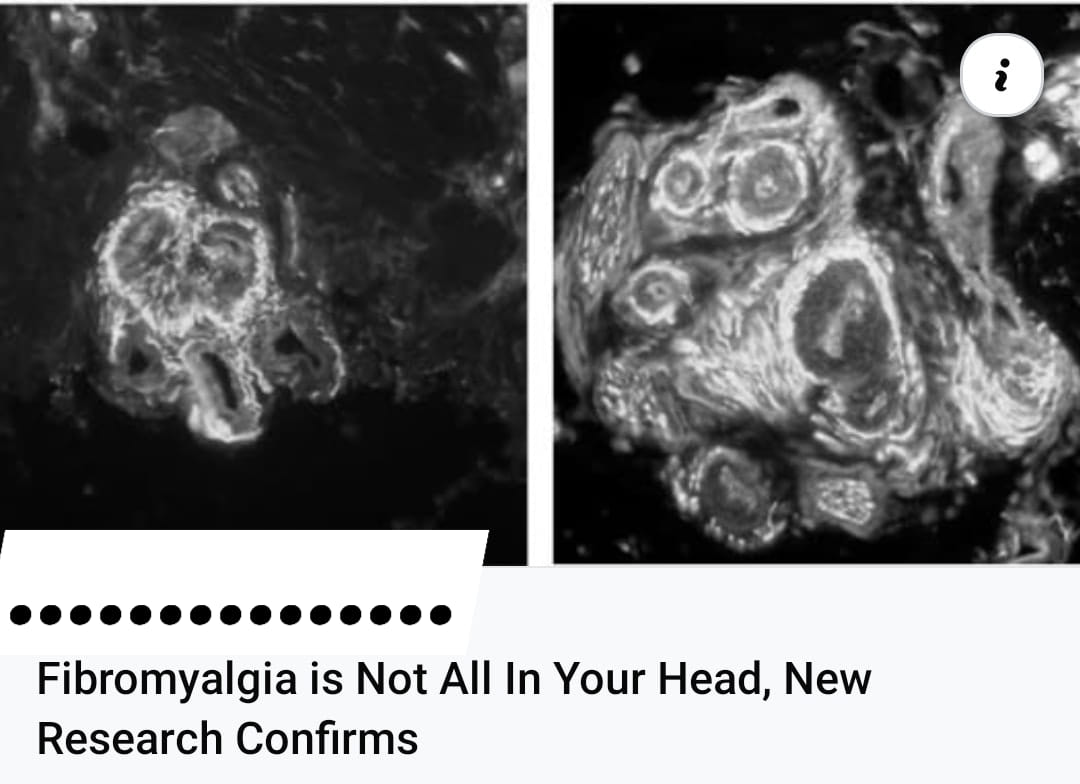
Fibromyalgia has been a mysterious disease, causing pain throughout the body and deep in tissues with no apparent cause. A large proportion of the medical community has believed that the disease was psychosomatic, and people essentially think that they are in pain. But, a small biopharmaceutical company, Intidyn, or Integrated Tissue Dynamics, have found what they believe to be the root cause of the disease.

Researchers from the company and Albany Medical College have found that the skin of female patients who report pain from fibromyalgia has a unique neurovascular structure or blood flow to the nerves. The scientists believe this structure may be the ultimate cause of the pain experienced with the condition.

“Instead of being in the brain, the pathology consists of excessive sensory nerve fibers around specialized blood vessel structures located in the palms of the hands,” said Dr. Frank L. Rice, president of Intidyn and the senior researcher on the study, in a press statement

Blood vessel constriction can be controlled by nerves in the skin. Patients with Fibromyalgia have an abnormally high number of nerve endings surrounding a blood vessel bridge in the skin.

“This discovery provides concrete evidence of a fibromyalgia-specific pathology which can now be used for diagnosing the disease, and as a novel starting point for developing more effective therapeutics.”

A few years ago, the company published a report in the journal Pain about a case involving a woman who was born without special nerve endings that were at the time believed to be important for touch. But the woman was fine and able to carry on with her life. She did have nerve endings near the fine capillary blood vessels in her skin, which had previously only been believed to control blood flow in blood vessels. “We previously thought that these nerve endings were only involved in regulating blood flow at a subconscious level, yet here we had evidence that the blood vessel endings could also contribute to our conscious sense of touch… and also pain,” Rice said.

Current targeted drugs, made by Eli Lilly and Forest Labs, are serotonin/norepinephrine reuptake inhibitors (SNRI) that work on the brain. But they can also act on the nerve endings near blood vessels in the skin. “Knowing how these drugs were supposed to work on molecules in the brain,” Dr. Philip J. Albrecht, Ph.D., added, “we had evidence that similar molecules were involved in the function of nerve endings on the blood vessels. Therefore, we hypothesized that fibromyalgia might involve a pathology in that location.” As the results demonstrate, they were correct.

The team at the company looked at skin samples from women with fibromyalgia collected by the Albany Medical College and examined by a special microscope technology. What they saw was a staggering increase in nerve endings at the sight of blood vessels within the skin. These sites control the flow of oxygenated blood between small blood vessels within the skin. They can cause the blockage of this bridge area to allow the skin to radiate heat or open it up to keep heat in when cold.

“The excess sensory innervation may itself explain why fibromyalgia patients typically have especially tender and painful hands. But, in addition, since the sensory fibers are responsible for opening the shunts, they would become particularly active under cold conditions, which are generally very bothersome to fibromyalgia patients,” said Albrecht.

But these special shunts or bridges do much more than regulate heat in the body; they could be blocking blood flow to the muscles deep within the tissue.

“In addition to involvement in temperature regulation, an enormous proportion of our blood flow normally goes to our hands and feet. Far more than is needed for their metabolism,” noted Dr. Rice. “As such, the hands and the feet act as a reservoir from which blood flow can be diverted to other tissues of the body, such as muscles when we begin to exercise. Therefore, the pathology discovered among these shunts in the hands could be interfering with blood flow to the muscles throughout the body.

This mismanaged blood flow could be the source of muscular pain and achiness, and the sense of fatigue, which are thought to be due to a build-up of lactic acid and low levels of inflammation in fibromyalgia patients. This, in turn, could contribute to the hyperactivity in the brain.” The hyperactivity in the brain may account for the insomnia many patients with the condition experience.

Finding an actual physiological basis for fibromyalgia autoimmune disease will be a positive revelation for many who have been told that their pain is only in their head. With time, researchers will be able to further dissect the causes of the pain from the disease and may develop pharmaceuticals to deal with the actual cause of the pain.

PLUS.

Over 5 million people are affected by fibromyalgia in the U.S and the numbers are keep on increasing. There are numerous uncomfortable signs of Fibromyalgia. It is recognized as an unseen illness as people cannot see the way where people hurt from the disease. Usually, Fibromyalgia is a quite severe situation that the victims experience and its signs should be identified.

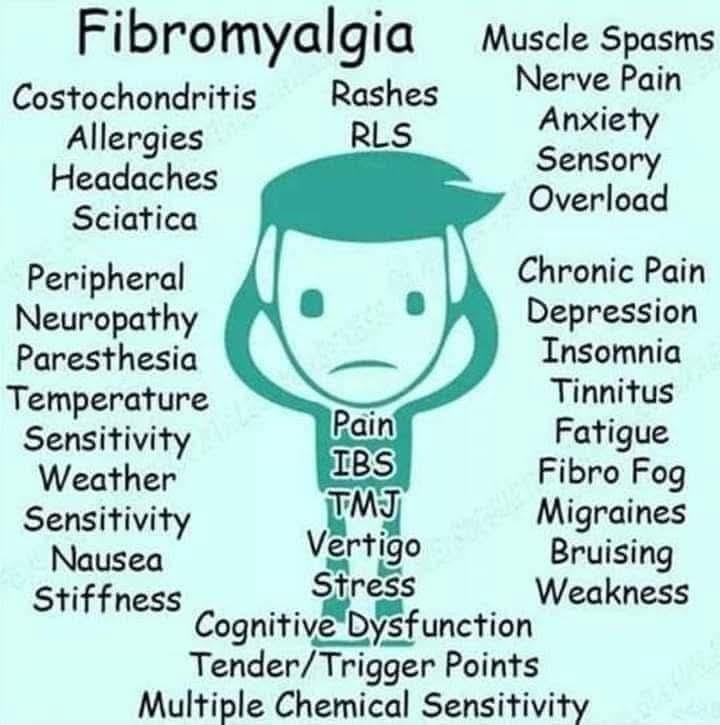
We have compiled the list of few of the worst symptoms and also added their coping methods. After that we have compiled the list of all of the fibromyalgia symptoms and categorized them.


Here is the Overall List of Symptoms of Fibromyalgia

GENERAL

1. Activity level decreased to less than 50% of pre-illness activity level
2. Cold hands and feet (extremities)
3. Cough
4. Craving carbohydrates
5. Delayed reaction to physical activity or stressful events
6. Dryness of eyes and/or mouth
7. Edema
8. Family member(s) with Fibromyalgia
9. Fatigue made worse by physical exertion or stress
10. Feeling cold often
11. Feeling hot often
12. Frequent sighing
13. Heart palpitations
14. Hoarseness
15. Hypoglycemia (blood sugar falls or low)
16. Increased thirst
17. Low blood pressure (below 110/70)
18. Low body temperature (below 97.6)
19. Low-grade fevers
20. Night sweats
21. Noisy joints – with or without pain
22. Poor circulation in hands/feet
23. Profuse sweating
24. Recurrent flu-like illness
25. Shortness of breath with little or no exertion
26. Severe nasal allergies (new or worsening allergies)
27. Sore throat
28. Subjective swelling of extremities (feels swollen But can’t find anything)
29. Sweats
30. Symptoms worsened by air travel
31. Symptoms worsened by stress
32. Symptoms worsened by temperature changes
33. Tender or swollen lymph nodes, especially in neck and underarms
34. Tremor or trembling
35. Unexplained weight gain or loss

PAIN

36. Abdominal wall pain
37. Bad hip pain
38. Burning Nerve Pain
39. Chest pain
40. Collarbone pain
41. Diffuse swelling
42. Elbow pain
43. Exacerbated Plantar arch or heel pain
44. “Growing” pains that don’t go away once you are done growing
45. Headache – tension or migraine
46. Inflamed Rib Cartilage
47. Joint pain
48. Lumpy, tender breasts
49. Morning stiffness
50. Muscle pain
51. Muscle spasms
52. Muscle twitching
53. Muscle weakness
54. Pain that ranges from moderate to severe
55. Pain that moves around the body
56. Paralysis or severe weakness of an arm or leg
57. Restless Leg Syndrome
58. Rib Pain
59. Scalp Pain (like hair being pulled out)
60. Sciatica-like pain
61. Tender points or trigger points
62. TMJ syndrome
63. “Voodoo Doll” Poking Sensation in random places
NEUROLOGICAL
64. Blackouts
65. Brain fog
66. Carpal Tunnel
67. Feeling spaced out
68. Hallucinating smells
69. Inability to think clearly
70. Light headedness
71. Noise intolerance
72. Numbness or tingling sensations
73. Photophobia (sensitivity to light)
74. Seizures
75. Seizure-like episodes
76. Sensation that you might faint
77. Syncope (fainting)
78. Tinnitus (ringing in one or both ears)
79. Vertigo or dizziness


EQUILIBRIUM/PERCEPTION

80. Bumping into things
81. Clumsy Walking
82. Difficulty balancing
83. Difficulty judging distances (when driving, etc.)
84. Directional disorientation
85. Dropping things frequently
86. Feeling spatially disoriented
87. Frequent tripping or stumbling
88. Not seeing what you’re looking at
89. Poor balance and coordination
90. Staggering gait


SLEEP

91. Alertness/energy best late at night
92. Altered sleep/wake schedule
93. Awakening frequently
94. Difficulty falling asleep
95. Difficulty staying asleep
96. Excessive sleeping
97. Extreme alertness or energy levels late at night
98. Falling asleep at random and sometimes dangerous moments
99. Fatigue
100. Light or broken sleep pattern
101. Muscle spasms/twitches at night
102. Narcolepsy
103. Sleep disturbances
104. Sleep starts or falling sensations
105. Teeth grinding
106. Tossing and turning
107. Un-refreshing or non-restorative sleep
108. Vivid or disturbing dreams/nightmares


EYES/VISION

109. Blind spots in vision
110. Eye pain
111. Difficulty switching focus from one thing to another
112. Frequent changes in ability to see well
113. Night driving difficulty
114. Occasional Blurry vision
115. Poor night vision
116. Rapidly worsening vision
117. Vision changes


COGNITIVE

118. Becoming lost in familiar locations when driving
119. Confusion
120. Difficulty expressing ideas in words
121. Difficulty following conversation (especially if background noise present)
122. Difficulty following directions while driving
123. Difficulty following oral instructions
124. Difficulty following written instructions
125. Difficulty making decisions
126. Difficulty moving your mouth to speak
127. Difficulty paying attention
128. Difficulty putting ideas together to form a complete picture
129. Difficulty putting tasks or things in proper sequence
130. Difficulty recognizing faces
131. Difficulty speaking known words
132. Difficulty remembering names of objects
133. Difficulty remembering names of people
134. Difficulty understanding what you read
135. Difficulty with long-term memory
136. Difficulty with simple calculations
137. Difficulty with short-term memory
138. Easily distracted during a task
139. Dyslexia-type symptoms occasionally
140. Feeling too disoriented to drive
141. Forgetting how to do routine things
142. Impaired ability to concentrate
143. Inability to recognize familiar surroundings
144. Losing track in the middle of a task (remembering what to do next)
145. Losing your train of thought in the middle of a sentence
146. Loss of ability to distinguish some colors
147. Poor judgment
148. Short term memory impairment
149. Slowed speech
150. Staring into space trying to think
151. Stuttering; stammering
152. Switching

EMOTIONAL

158. Abrupt and/or unpredictable mood swings
159. Anger outbursts
160. Anxiety or fear when there is no obvious cause
161. Attacks of uncontrollable rage
162. Decreased appetite
163. Depressed mood
164. Feeling helpless and/or hopeless
165. Fear of someone knocking on the door
166. Fear of telephone ringing
167. Feeling worthless
168. Frequent crying
169. Heightened awareness – of symptoms
170. Inability to enjoy previously enjoyed activities
171. Irrational fears
172. Irritability
173. Overreaction
174. Panic attacks
175. Personality changes –usually a worsening of pervious condition
176. Phobias
177. Suicide attempts
178. Suicidal thoughts
179. Tendency to cry easily


GASTROINTESTINAL

180. Abdominal cramps
181. Bloating
182. Decreased appetite
183. Food cravings
184. Frequent constipation
185. Frequent diarrhea
186. Gerd-like Symptoms
187. Heartburn
188. Increased appetite
189. Intestinal gas
190. Irritable bladder
191. Irritable bowel syndrome
192. Nausea
193. Regurgitation
194. Stomachache
195. Vomiting
196. Weight gain
197. Weight loss


UROGENITAL

198. Decreased libido (sex drive)
199. Endometriosis
200. Frequent urination
201. Impotence
202. Menstrual problems
203. Painful urination or bladder pain
204. Pelvic pain
205. Prostate pain
206. Worsening of (or severe) premenstrual syndrome (PMS)


SENSITIVITIES

207. Alcohol intolerance
208. Allodynia (hypersensitive to touch)
209. Alteration of taste, smell, and/or hearing
210. Sensitivity to chemicals in cleaning products, perfumes, etc.
211. Sensitivities to foods
212. Sensitivity to light
213. Sensitivity to mold
214. Sensitivity to noise
215. Sensitivity to odors
216. Sensitivity to yeast (getting yeast infections frequently on skin, etc.)
217. Sensory overload
218. Sensitivity to pressure & humidity changes
219. Sensitivity to extreme temperature changes
220. Vulvodynia
SKIN
221. Able to “write” on skin with finger
222. Bruising easily
223. Bumps and lumps
224. Eczema or psoriasis
225. Hot/dry skin
226. Ingrown hairs
227. Itchy/Irritable skin
228. Mottled skin
229. Rashes or sores
230. Scarring easily
231. Sensitivity to the sun
232. Skin suddenly turns bright red


Cardiovascular (Heart)

233. “Click-murmur” sounds through stethoscope
234. Fluttery heartbeat
235. Heart palpitations
236. Irregular heartbeat
237. Loud pulse in ear
238. Pain that mimics heart attack
239. Rapid heartbeat


HAIR/NAILS

240. Dull, listless hair
241. Heavy and splitting cuticles
242. Irritated nail beds
243. Nails that curve under
244. Pronounced nail ridges
245. Temporary hair loss


OTHER

246. Canker sores
247. Dental problems
248. Disk Degeneration
249. Hemorrhoids
250. Nose bleeds
251. Periodontal (gum) disease 

Info from Fibromyalgia Diary

MORE PODCASTS FIBROMYALGIA HERE

FIND MORE SHOWS OF ILLUMINATION HERE

Discover the sites we share on linktr.ee/saratroy

BE OUR GUEST AND SHARE THE WISDOM

Business at Breakfast Guest Shows.


This Business and Breakfast networking group, based in Australia, has introduced me to some incredible individuals who generously share their expertise and support others on their journey. It’s a welcoming space where collaboration and growth thrive.

Here, you’ll find an inspiring collection of interviews with a diverse range of experts and thought leaders. Each conversation is a journey into unique insights and experiences, carefully curated to help you navigate your own path. From industry trailblazers to emerging voices, every guest shares valuable wisdom and forward-thinking perspectives designed to empower and uplift you. Explore their stories, absorb their expertise, and let these conversations spark new ideas and opportunities for your personal and professional growth.

BB23-32. Krystal Hille, Publishing in a Book. 

BB23-23. Misty Henkel on Sales Anxiety.

LOA 23-49. Joanne Watson Pets Behaving Badly

BB23-50. Dr Christiaan Willems & The Stylised Version of You®

YH24-12. Jacalyn Price & Hydrating Water.

BB24-07. Leanne Hardinge’s “Frilly Analogy.”

RGC23-33. Nancy Cotten, Autism Advocate/Advisor.

C23-23. Kathy Knopp how Art saved me.

BB23-48. Paul Lange’s Pitch Deck Creation.

BB23-14. Helen Micallef with “All in one place.”

BB23-06. Paul Valach with Linked-in & Google Tips.

COME AND JOIN US WEEKLY AND MEET SOME WONDERFUL PEOPLE.

Business at Breakfast is on every week (2 x FREE online meetings).

ALL WELCOME!

Business at Breakfast zoom link
Cost:  FREE

Australia and surrounds: Thursday 
4am and 7am (Perth and Philipines)
6am and 9am (Brisbane)
7am and 10am (Sydney/Melbourne)
9am and 12pm (New Zealand)

USA and Canada: Wednesday 
3pm and 6pm EST (New York)
2pm and 5pm CST (Kansas City)
1pm and 4pm MST (Colorado)
12pm and 3pm PST (California)
11am and 2pm (Alaska)
10am and 1pm (Hawaii)

UK and Europe: Wednesday
8pm and 11pm (UK)
9pm and midnight (Europe)

Business at Breakfast
Join Zoom Meeting
https://us02web.zoom.us/j/82389653988?pwd=H7aT7c41LRhJxACsrSY9bJB8iNo6Ku.1
Meeting ID: 823 8965 3988
Passcode: 713342
Warmest wishes,


 ITunesSpotify Soundcloud
  AmazonYouTube Music   iHEART
Podvine Podcasher  Podcast Addict
Mixcloud  Radio Public.   FM Player
 Odysee Youtube  Opodium
DOENJOYTHE WISDOM

FIND MORE SHOWS OF ILLUMINATION HERE

Discover the sites we share on linktr.ee/saratroy

BE OUR GUEST AND SHARE THE WISDOM

All of our shows/interviews are done by donation; if you enjoyed this show, please support us here with either a one-time donation or subscribe and support; thank you. And please support Our Forgotten Senior’s anthology and help to bring this book to awareness.



Living with Sciatica and Arthritis


Yes! Sciatica can be quite painful, but several natural and medical approaches can help relieve discomfort and promote healing. Here are some recommendations:

Lifestyle & Home Remedies

  1. Gentle Stretching & Yoga:
    1. Pigeon pose, seated spinal twist, and hamstring stretches can help relieve pressure on the sciatic nerve.
    2. Avoid sudden or jerky movements that might aggravate it.
  2. Hot & Cold Therapy:
    1. Apply an ice pack for the first 48 hours (15-20 minutes at a time) to reduce inflammation.
    2. Switch to heat therapy (heating pad or warm bath) to relax tight muscles after the initial swelling goes down.
  3. Posture & Movement:
    1. Avoid prolonged sitting—take breaks and walk around.
    2. Maintain good posture, especially when sitting or lifting objects.
  4. Anti-Inflammatory Diet:
    1. Include turmeric, ginger, leafy greens, berries, and omega-3-rich foods (like salmon or flaxseeds).
    2. Avoid processed foods, sugar, and excessive caffeine.

Alternative & Natural Treatments

  1. Chiropractic Adjustments – Can help realign the spine and relieve nerve compression.
  2. Acupuncture – Many find relief through acupuncture by reducing nerve pain and inflammation.
  3. Massage Therapy – Deep tissue massage can ease tight muscles pressing on the sciatic nerve.
  4. Epsom Salt Baths – Helps relax muscles and reduce nerve pain.
  5. Essential Oils – Peppermint, eucalyptus, and lavender oils mixed with a carrier oil can be massaged into the affected area for relief.

Medical Treatments (If Needed)


TIPS F0R ARTHRITIS


Arthritis can be managed effectively with a combination of lifestyle changes, natural remedies, and, if needed, medical treatments. Here are some helpful tips to reduce pain, improve mobility, and support joint health:


1. Stay Active with Gentle Exercise

  • Low-impact activities: Swimming, walking, tai chi, and cycling help keep joints flexible without straining them.
  • Stretching & yoga: Helps maintain mobility and reduce stiffness.
  • Strength training: Builds muscles around joints for better support.

Tip: Avoid overexertion; balance movement with rest.


2. Manage Inflammation with Diet

Best foods for arthritis:

  • Omega-3-rich foods: Salmon, flaxseeds, walnuts
  • Anti-inflammatory spices: Turmeric & ginger
  • Leafy greens & berries: Spinach, kale, blueberries
  • Healthy fats: Olive oil, avocados
  • Nuts & seeds: Almonds, chia seeds

Foods to avoid:

  • Processed foods & refined sugars
  • Fried & greasy foods
  • Excess dairy (for some, it can trigger inflammation)

3. Natural Remedies & Supplements

  • Turmeric (Curcumin): A powerful anti-inflammatory
  • Ginger: Helps reduce stiffness and pain
  • Boswellia (Frankincense): Known for reducing joint pain
  • Collagen & Bone Broth: Supports joint repair
  • Glucosamine & Chondroitin: Can improve joint health over time
  • Vitamin D & Calcium: Essential for bone strength

Tip: Always check with a doctor before starting new supplements.


4. Keep Joints Warm & Relaxed

  • Apply heat therapy: Warm compresses, heating pads, or hot baths
  • Cold packs for swelling: Helps reduce pain after activity
  • Epsom salt baths: Magnesium helps relax muscles and ease discomfort

5. Maintain a Healthy Weight

  • Extra weight puts pressure on joints, especially knees, hips, and back.
  • Losing even a few pounds can significantly reduce pain and improve mobility.

6. Alternative Therapies

  • Acupuncture: Helps with pain relief
  • Massage therapy: Relaxes muscles and improves circulation
  • Essential oils: Peppermint, eucalyptus, and frankincense for pain relief
  • Chiropractic care: Can help with joint alignment and mobility

7. Stress Management & Mental Well-being

  • Meditation & deep breathing – Helps with pain perception
  • Adequate sleep – Poor sleep can worsen inflammation
  • Gentle movement throughout the day – Avoid long periods of inactivity

Arthritis-Friendly Recipes

These meals are packed with anti-inflammatory ingredients to help reduce pain and stiffness.

1. Turmeric Ginger Smoothie (Anti-Inflammatory Boost)

? Ingredients:

  • 1 banana
  • 1/2 cup frozen mango
  • 1 tsp turmeric
  • 1/2 tsp grated ginger
  • 1 cup almond milk (or coconut milk)
  • 1/2 tsp cinnamon
  • 1 tsp honey (optional)
  • Ice cubes

? Instructions:

  • Blend all ingredients until smooth.
  • Drink in the morning for a natural anti-inflammatory boost!

2. Omega-3 Loaded Salmon & Quinoa Bowl

? Ingredients:

  • 1 salmon fillet (rich in omega-3s)
  • 1/2 cup cooked quinoa
  • 1/2 cup steamed spinach or kale
  • 1/4 avocado (healthy fats)
  • 1 tbsp olive oil
  • Juice of 1/2 lemon
  • 1/2 tsp turmeric & black pepper

? Instructions:

  1. Season salmon with turmeric, black pepper, and a drizzle of olive oil.
  2. Bake at 375°F (190°C) for 15 minutes or until fully cooked.
  3. Serve over quinoa, add greens, avocado, and a squeeze of lemon.

Tip: Swap salmon for grilled tofu or chickpeas for a plant-based option.


3. Joint-Soothing Bone Broth Soup

? Ingredients:

  • 4 cups bone broth (chicken or beef)
  • 1/2 cup chopped carrots
  • 1/2 cup celery
  • 1 tsp turmeric
  • 1 clove garlic (anti-inflammatory)
  • 1/2 tsp ginger
  • 1/2 cup cooked brown rice or quinoa

? Instructions:

  1. Simmer all ingredients in a pot for 20 minutes.
  2. Enjoy the warmth to soothe joints and boost collagen production!

4. Golden Milk (Anti-Inflammatory Evening Drink)

? Ingredients:

  • 1 cup warm almond or coconut milk
  • 1/2 tsp turmeric
  • 1/4 tsp cinnamon
  • 1/2 tsp grated ginger
  • 1 tsp honey (optional)

? Instructions:

  • Warm milk, stir in all ingredients and sip before bed for relaxation and pain relief.

Arthritis Meal Plan & Foods to Avoid

This meal plan is designed to reduce inflammation, support joint health, and boost mobility with nutrient-dense, anti-inflammatory foods.

? Foods to Avoid (They Trigger Inflammation!)


Processed Foods & Refined Sugars: Cakes, cookies, soda, candy, and white bread.
Fried & Fast Foods: French fries, chips, fried chicken, processed meats.
Dairy (For Some People): Cheese, milk, ice cream (try plant-based alternatives).
Red Meat (Limit): Too much beef, pork, and lamb can increase inflammation.
Nightshade Vegetables (For Some People): Tomatoes, eggplants, peppers, and potatoes may worsen arthritis in sensitive individuals.

Tip: Everyone is different! Test which foods affect you personally and adjust accordingly.


? Best Foods for Arthritis Relief

Omega-3-Rich Foods: Salmon, sardines, walnuts, flaxseeds, and chia seeds.
Leafy Greens: Spinach, kale, Swiss chard, and collard greens.
Colorful Berries: Blueberries, strawberries, raspberries (packed with antioxidants).
Nuts & Seeds: Almonds, walnuts, chia seeds, flaxseeds.
Whole Grains: Quinoa, brown rice, oats, and buckwheat (instead of white rice and pasta).
Healthy Fats: Olive oil, avocados, coconut oil (avoid vegetable oils).
Anti-Inflammatory Spices: Turmeric, ginger, cinnamon, garlic, cayenne pepper.
Legumes & Beans: Chickpeas, lentils, black beans (high in fiber and protein).
Hydrating Fruits: Watermelon, oranges, apples, and pomegranates (reduce joint pain).


? 3-Day Arthritis Meal Plan ?

Each day includes anti-inflammatory meals designed to nourish your joints!

? Day 1: Omega-3 & Antioxidant Boost

Breakfast: Turmeric-Ginger Oatmeal

  • Oats cooked with almond milk, turmeric, cinnamon, ginger, walnuts, and honey.

Lunch: Mediterranean Quinoa Salad

  • Quinoa, spinach, cucumbers, olives, cherry tomatoes, and chickpeas with olive oil & lemon dressing.

Snack: Anti-Inflammatory Smoothie

  • Blueberries, flaxseeds, almond milk, and a pinch of turmeric.

Dinner: Baked Salmon with Roasted Sweet Potatoes & Steamed Broccoli

  • Season salmon with olive oil, turmeric, garlic, and black pepper.

? Day 2: Gut & Joint Health Focus

Breakfast: Avocado Toast with Poached Egg & Turmeric

  • Whole-grain toast, avocado, poached egg, turmeric, and a sprinkle of sesame seeds.

Lunch: Bone Broth Soup with Chickpeas & Kale

  • Simmer bone broth with chickpeas, kale, turmeric, and garlic.

Snack: Handful of Almonds & Dark Chocolate

  • Rich in antioxidants and healthy fats.

Dinner: Grilled Chicken with Quinoa & Roasted Brussels Sprouts

  • Olive oil, black pepper, and lemon zest for seasoning.

? Day 3: Repair & Rejuvenate

Breakfast: Chia Seed Pudding

  • Chia seeds soaked overnight in coconut milk, topped with berries & honey.

Lunch: Lentil & Spinach Stew

  • Lentils, spinach, garlic, turmeric, cumin, and carrots.

Snack: Green Tea with Dark Chocolate & Walnuts

  • Green tea fights inflammation and boosts metabolism.

Dinner: Stir-Fry with Tofu, Mushrooms & Brown Rice

  • Cook with ginger, garlic, and olive oil.

? Extra Tips for Arthritis Management ?

Stay Hydrated: Drink plenty of water to flush out toxins.
Get Enough Vitamin D: Spend time in the sun or take a supplement.
Move Every Hour: Avoid prolonged sitting—gentle movement keeps joints flexible.
Prioritize Sleep: Poor sleep increases inflammation. Try magnesium or chamomile tea before bed.

Arthritis-Friendly Snack Ideas

These snacks are anti-inflammatory, nutrient-dense, and easy to prepare, helping to reduce joint pain, boost energy, and support mobility.


? 1. Avocado & Turmeric Crackers

Why it helps: Avocados provide healthy fats, while turmeric fights inflammation.
How to make it:

  • Mash 1/2 avocado with a pinch of turmeric, black pepper, and lemon juice.
  • Spread on whole-grain or seed-based crackers.

? 2. Handful of Nuts & Seeds

Why it helps: Almonds, walnuts, and chia seeds contain omega-3s and vitamin E, reducing joint stiffness.
How to eat it:

  • Mix walnuts, almonds, chia seeds, and sunflower seeds in a small container for an on-the-go snack.

? 3. Banana & Peanut Butter (or Almond Butter)

Why it helps: Bananas provide potassium to reduce muscle cramps, and nut butter offers healthy fats.
How to make it:

  • Slice half a banana and dip it in natural peanut or almond butter.

? 4. Golden Milk (Turmeric Latte)

Why it helps: Turmeric, ginger, and cinnamon reduce inflammation and support digestion.
How to make it:

  • Warm 1 cup almond milk and stir in 1/2 tsp turmeric, 1/4 tsp cinnamon, 1/2 tsp grated ginger, and honey.

? 5. Dark Chocolate & Walnuts

Why it helps: Dark chocolate (70% cocoa or higher) is rich in antioxidants, while walnuts provide omega-3s.
How to eat it:


? 6. Apple Slices with Cinnamon & Honey

Why it helps: Apples contain fiber and antioxidants, and cinnamon is anti-inflammatory.
How to make it:

  • Slice an apple, sprinkle with cinnamon, and drizzle with honey.

? 7. Ginger & Lemon Detox Water

Why it helps: Ginger fights joint pain, and lemon detoxes the body.
How to make it:

  • Add slices of fresh ginger & lemon to warm or cold water.

? 8. Carrot & Hummus Sticks

Why it helps: Carrots are high in vitamin A, and hummus is rich in fiber and protein.
How to eat it:

  • Dip carrot or celery sticks into hummus for a satisfying snack.

? 9. Orange & Chia Seed Yogurt Bowl

Why it helps: Oranges are rich in vitamin C, which supports collagen and joint health.
How to make it:

  • Mix 1/2 cup plain Greek yogurt with 1 tbsp chia seeds, and add orange slices.

? 10. Guacamole with Cucumber Slices

Why it helps: Avocados provide healthy fats, and cucumbers are hydrating for joints.
How to make it:

  • Mash 1/2 avocado, add lemon juice, garlic, and black pepper.
  • Use cucumber slices as dippers instead of chips.

? 11. Hard-boiled egg with Olive Oil & Paprika

Why it helps: Eggs are rich in protein, and olive oil fights inflammation.
How to make it:

  • Slice a hard-boiled egg and drizzle with olive oil & a pinch of paprika.

? 12. Olives & Cheese Plate

Why it helps: Olives provide healthy fats, and goat cheese or feta is easier to digest than dairy-heavy cheeses.
How to eat it:

  • Pair olives with goat cheese and whole-grain crackers.

? Arthritis-Friendly Grocery List

This list includes anti-inflammatory, nutrient-rich foods that help reduce joint pain, improve mobility, and boost overall health.


? Vegetables (Anti-Inflammatory & Antioxidant-Rich)

? Spinach
? Kale
? Swiss chard
? Broccoli
? Carrots
? Bell peppers (only if nightshades don’t affect you)
? Brussels sprouts
? Sweet potatoes
? Mushrooms
? Onions & garlic


? Fruits (High in Antioxidants & Vitamin C)

? Blueberries
? Strawberries
? Raspberries
? Oranges
? Apples
? Cherries (reduces gout & arthritis pain)
? Bananas (potassium for muscle support)
? Watermelon (hydrating & anti-inflammatory)
? Pomegranates (helps with joint inflammation)


? Proteins (Joint-Healthy Choices)

? Wild-caught salmon (rich in omega-3s)
? Sardines
? Tuna
? Free-range chicken
? Grass-fed beef (in moderation)
? Eggs
? Lentils & chickpeas (plant-based protein)
? Tofu & tempeh


? Nuts & Seeds (Healthy Fats & Joint Protection)

? Walnuts (omega-3s)
? Almonds (vitamin E for joints)
? Chia seeds
? Flaxseeds
? Sunflower seeds
? Pumpkin seeds


? Whole Grains (Reduce Inflammation & Support Digestion)

? Quinoa
? Brown rice
? Oats
? Buckwheat
? Whole grain or sprouted bread


?? Healthy Fats (Lubricate Joints & Reduce Stiffness)

? Extra virgin olive oil
? Coconut oil
? Avocados
? Ghee (clarified butter, good for digestion)


? Spices & Herbs (Natural Anti-Inflammatories)

? Turmeric (curcumin reduces joint pain)
? Ginger (soothes inflammation)
? Cinnamon (stabilizes blood sugar & reduces stiffness)
? Cayenne pepper (boosts circulation)
? Black pepper (helps absorb turmeric better)


? Dairy & Dairy Alternatives (If Tolerated)

? Plain Greek yogurt (probiotics for gut health)
? Almond or coconut milk
? Goat cheese or feta (easier to digest)


? Beverages (Hydrating & Healing)

? Green tea (antioxidant powerhouse)
? Bone broth (collagen for joint support)
? Ginger tea (reduces inflammation)
? Golden milk (turmeric latte with almond milk)
? Water with lemon (hydration & detox)


? Foods to Avoid (Trigger Inflammation)

? Processed foods (chips, frozen meals, fast food)
? Sugary foods (soda, candy, pastries)
? White bread & refined carbs (increases inflammation)
? Fried foods (fries, onion rings)
? Too much red meat (limit beef & pork)
? Vegetable oils (canola, corn, soybean)
? Dairy (for some, it worsens inflammation)


? Arthritis-Relief Smoothies & Drinks ?

? 1. Anti-Inflammatory Turmeric Smoothie

Ingredients:

  • 1 cup almond milk
  • 1/2 banana
  • 1/2 tsp turmeric
  • 1/2 tsp cinnamon
  • 1 tsp flaxseeds
  • 1 tsp honey

Instructions:

  • Blend all ingredients and enjoy!

? 2. Ginger Green Detox Smoothie

Ingredients:

  • 1 cup spinach
  • 1/2 cucumber
  • 1/2 apple
  • 1/2 tsp grated ginger
  • 1/2 lemon juice
  • 1 cup coconut water

Instructions:

  • Blend everything together. Great for reducing stiffness and boosting energy!

? 3. Cherry & Flaxseed Joint-Healing Smoothie

Ingredients:

  • 1 cup frozen cherries
  • 1 tbsp flaxseeds
  • 1/2 cup Greek yogurt (or almond milk)
  • 1/2 tsp cinnamon
  • 1/2 cup water

Instructions:

  • Blend and enjoy. Cherries help reduce arthritis pain naturally.

Sara Troy lives with this as well as Fibromyalgia, and it is a battle daily to keep the body happy. Find something you love to do and keep your spirit high, for it eases the pain, and lifts you up to cope with these challenges.

Sara Troy

Living with & Supporting someone with Fibromyalgia.


Living with Fibromyalgia: Thriving, Not Just Surviving

Living with fibromyalgia is about finding balance, managing symptoms, and making peace with your body’s needs. It’s a journey, but you can still lead a fulfilling life. Here’s how:


1. Accept & Honor Your Body’s Needs

  • Fibromyalgia isn’t a weakness—it’s a reality. Fighting it makes it worse.
  • Listen to your body: If it says rest, rest. If you can move, move gently.
  • Let go of guilt when you need to slow down. You’re doing your best.

2. Manage Energy Like a Budget (The Spoon Theory)

  • Think of your energy as spoons—each task costs a spoon.
  • Prioritize what matters and don’t spend spoons on things that drain you unnecessarily.
  • Pace yourself: Don’t push too hard on a good day—you might crash later.

3. Find Your Movement Sweet Spot

  • Rest is important, but too much inactivity makes things worse.
  • Gentle movement like yoga, stretching, or swimming reduces stiffness.
  • Avoid overexertion—low-impact exercise is best.
  • Listen to your body: If it’s too much today, try again tomorrow.

4. Improve Sleep Quality

  • Fibro sleep isn’t restorative, so creating a solid sleep routine is crucial:
    • Stick to a consistent bedtime.
    • Avoid screens & blue light at least an hour before bed.
    • Try magnesium, warm baths, essential oils, or herbal teas.
    • Invest in a comfortable mattress & pillows.

5. Eat to Reduce Inflammation & Support Energy

  • Anti-inflammatory foods may help reduce symptoms:
    • Omega-3s (salmon, flaxseeds, walnuts)
    • Leafy greens, berries, turmeric, and ginger
    • Hydrate with lots of water
  • Reduce processed foods, sugar, and artificial additives, as they can trigger flares.
  • Try tracking your food and symptoms to spot trigger foods.

6. Manage Pain Naturally

  • Heat therapy: Heating pads, warm baths, saunas
  • Massage & acupuncture: Helps with circulation & muscle tension
  • Epsom salt baths: Magnesium can soothe sore muscles
  • CBD or medical marijuana: Some find relief with these

7. Tame the “Fibro Fog” (Brain Fog)

  • Brain fog can make you feel scattered and forgetful. Try:
    • To-do lists & planners to track important tasks.
    • Break big tasks into small steps.
    • Mindfulness & breathing exercises to reduce stress.
    • Healthy fats (avocados, nuts, fish) to support brain function.

8. Set Boundaries & Say “No” Without Guilt

  • People might not understand your limits—you don’t have to prove anything.
  • Say “I’d love to, but I need to rest.”
  • Limit time with energy-draining people.
  • Put yourself first—self-care isn’t selfish.

9. Manage Stress & Mental Health

  • Stress makes fibromyalgia worse—find ways to calm your nervous system:
    • Meditation & breathwork (deep breathing helps calm pain)
    • Gentle movement like tai chi or qigong
    • Creative outlets (music, writing, art) to process emotions
    • Consider therapy or support groups—you don’t have to do this alone.

10. Find a Support System

  • Connect with people who get it: Fibromyalgia support groups (online or in-person) can be lifesavers.
  • Educate loved ones so they understand what you’re going through.
  • Advocate for yourself in medical settings—find a doctor who truly listens.

Final Thoughts: You Are More Than Fibromyalgia

It may be a part of your life, but it doesn’t define you.
There will be hard days, but also good ones.
Find what makes life meaningful and focus on the joy, not just survival.

Daily Hacks for Living with Fibromyalgia: Work, Relationships & Life

Living with fibromyalgia means adapting, and not giving up. Here’s how to make daily life easier, keep relationships strong, and manage work without burnout.


1. Making Daily Life Easier

? Home Hacks

  • Use a shower chair & handheld showerhead – Standing too long can be exhausting.
  • Electric can openers, lightweight cookware, and ergonomic tools – Reduce hand and wrist strain.
  • Pace housework – One task at a time. Laundry one day, vacuuming the next.
  • Sit while cooking or doing dishes – A stool in the kitchen helps conserve energy.
  • Pre-cut veggies & easy meal options – Make eating healthy simpler.
  • Wear soft, loose clothing – Avoid tight fabrics that trigger skin sensitivity.

?? Shopping & Errands

  • Grocery delivery or pickup – Save energy for things that matter.
  • Plan errands in one trip – Fewer outings mean less energy spent.
  • Use a rolling cart or backpack – Carrying heavy bags strains muscles.

? Driving & Transportation

  • Use cruise control – Reduces foot and leg fatigue.
  • Seat cushions or heating pads – Help with back pain while driving.
  • Carpool or rideshare – Saves energy for social events.

2. Work & Productivity Hacks

?? Working with Fibromyalgia

  • Talk to your employer – Many workplaces allow accommodations (flexible hours, ergonomic seating).
  • Work in blocks of time – 25–45 minutes, then a break to prevent fatigue.
  • Use voice-to-text software – Reduces strain from typing.
  • Try a standing desk option – Alternate sitting and standing to reduce stiffness.

? Managing Tasks & Focus

  • Prioritize “must-do” tasks first – Let go of perfection.
  • Use alarms & reminders – Helps with fibrofog.
  • Batch similar tasks together – Less mental strain switching between things.
  • Schedule in “buffer time” – Avoid back-to-back tasks to prevent burnout.

? Fibro Fog Fixes

  • Keep sticky notes or a planner handy – Writing things down prevents forgetfulness.
  • Record important conversations – Use your phone’s voice memo app.
  • Set up automatic bill payments – Fewer things to remember.

3. Keeping Relationships Strong

? Family & Friendships

  • Educate loved ones – They may not understand fibro, so share information.
  • Set expectations ahead of time – Example: “I might need to leave early if I get tired.”
  • Be honest, but not apologetic – It’s okay to say, “I’d love to, but my body needs rest.”
  • Plan “chill” hangouts – Movie nights, tea dates, or online chats work great.

? Romantic Relationships

  • Communicate openly – Let your partner know what you need (without guilt).
  • Plan intimacy around energy levels – Morning may be better than evening.
  • Find other ways to connect – If physical touch is painful, emotional closeness matters just as much.

????? Parenting with Fibromyalgia

  • Teach kids independence – Simple chores help lighten your load.
  • Use “lazy day” activities – Board games, movie marathons, coloring together.
  • Be present, not perfect – Your love, not your energy level, is what they’ll remember.

4. Managing Stress & Mental Health

  • Practice deep breathing – 4-7-8 breathing (inhale 4 sec, hold 7 sec, exhale 8 sec) helps relax muscles.
  • Try guided meditation or sound therapy – Helps reduce pain perception.
  • Journal thoughts & gratitude – Focuses the mind away from pain.
  • Consider therapy or support groups – You’re not alone in this journey.

Final Thoughts: Build a Life That Works for YOU

Fibromyalgia forces you to redefine success.
? Success is NOT how much you do, but how well you manage your energy.
? Your worth is NOT based on productivity, but on the love and joy you bring into your life and others.


Fibromyalgia Toolkit: Best Tools, Supplements & Mobility Aids

Having the right tools, supplements, and aids can make daily life with fibromyalgia easier and less painful. Here’s a breakdown of the best options:


1. Pain Relief & Comfort Tools

? Heat Therapy

  • Electric heating pad – Eases muscle stiffness & pain.
  • Microwavable rice/lavender bags – Great for targeted relief.
  • Heated blanket – Keeps muscles warm & reduces nighttime stiffness.
  • Warm baths with Epsom salt – Magnesium helps relax muscles.

? Cold Therapy

  • Gel ice packs – Helps with inflammation.
  • Cooling pillow – Keeps head cool for better sleep.

?? Sleep Aids

  • Memory foam mattress topper – Reduces pressure points.
  • Weighted blanket – Calms the nervous system.
  • Contoured memory foam pillow – Supports the neck to prevent pain.
  • Blackout curtains & white noise machine – Improves sleep quality.

? Alternative Pain Relief

  • TENS unit (electrotherapy) – Sends gentle electrical pulses to block pain.
  • Acupressure mat – Helps relieve tension and improve circulation.
  • CBD oil/creams – Some find relief from topical or oral CBD.

2. Best Supplements for Fibromyalgia

(Note: Always check with a doctor before taking new supplements.)

For Pain & Inflammation

  • Magnesium (Glycinate or Citrate) – Helps relax muscles, reduce cramps, and improve sleep.
  • Turmeric (Curcumin) – Natural anti-inflammatory.
  • Omega-3 Fish Oil – Reduces joint pain and brain fog.

For Energy & Brain Fog

  • Vitamin D – Deficiency is common in fibromyalgia and worsens fatigue.
  • CoQ10 – Boosts cellular energy production.
  • B-Complex Vitamins – Supports energy and reduces fibro fog.

For Sleep & Nervous System Support

  • Melatonin – Helps regulate sleep cycles.
  • Ashwagandha – Reduces stress and promotes relaxation.
  • L-Theanine – Found in green tea, helps with calming the nervous system.

3. Mobility & Accessibility Aids

? Walking & Mobility Support

  • Folding cane with a seat – Helps with balance & allows rest breaks.
  • Rolling walker with a seat – Great for longer distances.
  • Compression gloves & socks – Improves circulation & reduces hand/foot pain.
  • Orthopedic shoes or insoles – Reduces joint strain.

?? Home & Daily Task Helpers

  • Ergonomic office chair with lumbar support – Reduces back pain.
  • Reacher grabber tool – Helps pick up items without bending.
  • Electric jar & can opener – Reduces wrist strain.
  • Voice-controlled smart home devices (Alexa, Google Home) – Helps with reminders, lights, & hands-free control.

4. Adaptive Clothing & Wearable Relief

  • Compression leggings & sleeves – Helps with muscle pain & circulation.
  • Soft, tag-free clothing – Reduces skin sensitivity.
  • Slip-on shoes – Avoids bending to tie laces.
  • Heating shoulder wrap – Provides pain relief on the go.

Final Thoughts: Build Your Own Fibro-Friendly Toolkit

Fibromyalgia is different for everyone, so experiment with different tools to see what helps you most. The key is to reduce strain, improve comfort, and conserve energy.


Supporting someone with fibromyalgia


Supporting someone with fibromyalgia requires patience, understanding, and a holistic approach that considers both physical and emotional needs. Here are some key ways to support them:

1. Educate Yourself

  • Learn about fibromyalgia, its symptoms, and triggers.
  • Understand that it’s a real condition, even though it’s often invisible.
  • Recognize that pain, fatigue, brain fog, and sensitivity are real challenges they face.

2. Believe & Validate Their Experience

  • Avoid saying, “But you don’t look sick.”
  • Acknowledge their pain and struggles rather than questioning them.
  • Say things like, “I’m here for you,” or “I believe you.”

3. Be Flexible & Accommodating

  • Understand that their energy levels fluctuate daily.
  • Plans may need to be adjusted or canceled at the last minute.
  • Offer low-energy alternatives like quiet meetups, short visits, or online chats.

4. Encourage a Healthy Lifestyle

  • Movement, not strain: Encourage gentle exercise like yoga, stretching, or swimming.
  • Nutrition: Help them explore anti-inflammatory foods that may help.
  • Sleep hygiene: Support efforts to improve sleep quality (comfortable mattress, relaxation techniques).

5. Be Patient with Mental Fog (“Fibro Fog”)

  • Memory and concentration can be affected.
  • Help them with reminders, note-taking, or organizing tasks.
  • Avoid frustration if they forget details or repeat things.

6. Help with Daily Tasks (Without Taking Over)

  • Simple things like grocery shopping, meal prepping, or house chores can be overwhelming.
  • Ask, “How can I make your day easier?” instead of assuming.

7. Respect Their Limits & Triggers

  • Fibromyalgia can be worsened by stress, noise, weather, or certain foods.
  • Be mindful of their sensory sensitivities (bright lights, loud music, strong smells).
  • Don’t push them to do more than they can handle.

8. Encourage Stress Management & Mental Health Care

  • Fibromyalgia is linked to chronic stress and emotional trauma.
  • Support their mental health efforts, whether it’s therapy, meditation, or creative outlets.
  • Encourage self-compassion and rest rather than pushing through pain.

9. Advocate for Their Needs

  • Many people with fibromyalgia struggle to be taken seriously by doctors, workplaces, or even family.
  • Help them navigate medical appointments or advocate for accommodations at work.

10. Just Be There

  • Sometimes, the best support is just listening without offering solutions.
  • A warm presence, a gentle hug, or simply checking in can mean the world.

Living with fibromyalgia can be challenging, but the right tools and supplements can make a significant difference. Here are some recommended products to help manage symptoms:

Topricin FIBRO Pain Relieving Cream
A topical cream specifically formulated to reduce the intensity and duration of fibromyalgia episodes.

amazon.com

Fibro Cream 6 Oz by Topricin, Pack of 2 - Walmart.com - Walmart.com

MARNUR Weighted Heating Pad
This 18″x33″ heating pad provides full-body heat therapy with six adjustable heat levels and a two-hour auto shut-off feature, aiding in muscle relaxation and pain relief.

the-sun.com

MARNUR 12"x24" Weighted Heating Pad for Back Pain Relief, 2.6lb Extra

PD VARS Physician Designed Copper Balance Supplement
A supplement designed to support individuals with fibromyalgia, aiming to reduce nerve pain and cognitive fog with a blend of essential vitamins.

amazon.com

PD VARS Copper Balance Supplement - Fibromyalgia Philippines | Ubuy

MagniLife Fibromyalgia Support Tablets
Quick-dissolving tablets formulated to provide relief from muscle aches, pain, and fatigue associated with fibromyalgia.

walmart.com

Amazon.com: MagniLife Fibromyalgia Support, Fast-Acting Relief for Arthritis, Muscle Aches, Pain ...

Quell Wearable Pain Relief Device
An FDA-approved wearable device that uses Transcutaneous Electrical Nerve Stimulation (TENS) technology to offer drug-free relief from chronic pain.

en.wikipedia.org

Quell Wearable Pain Relief Technology Kit, 5 pc - Walmart.com

Before starting any new supplement or therapy, it’s essential to consult with a healthcare professional to ensure it’s appropriate for your specific needs and conditions.

Incorporating these products into your daily routine may help alleviate some of the discomfort associated with fibromyalgia, leading to an improved quality of life.

Author Chat GPT


I HAVE LIVED WITH fIBRO FOR NEAR ON 29 YEARS AND KNOW THE CHALLENGES IS BRINGS TO OUR DAILY LIVES. I HAVE DONE MANY SHOWS ON IT INCLUDING A LEADING DOCTOR ON THE SUBJECT.

If you have Fibromyalgia, this can be a good place to just be you and get support.

https://www.myfibroteam.com

MORE INFORMATION AND PODCASTS ON FIBROMYALGIA

2019/07/29/what-is-fibromyalgia

2017/09/29/fibromyalgia-and-myofascial-pain

https://selfdiscoverywisdom.com/?s=-fibromyalgia


FIND MORE SHOWS OF ILLUMINATION HERE

Discover the sites we share on linktr.ee/saratroy

BE OUR GUEST AND SHARE THE WISDOM