Sara’s View of Life, with Sara Troy. On air from October 6th
As I celebrate turning 72, I find myself looking back at a life filled with twists and turns, challenges and adventures, heartache and joy. Every chapter has taught me something, shaped who I am, and ultimately led me to the meaningful purpose I live today through Self Discovery Wisdom, my books, advocacy, and the extraordinary people whose stories I have the honour of sharing.
But some of my greatest blessings are much closer to home. I am a proud mother and grandmother to three beautiful little boys, and being actively involved in their lives reminds me that legacy is not simply what we accomplish—it is the love, wisdom, encouragement, memories, and values we leave in the hearts of those who follow us.
At 72, I may move a little slower, but I am certainly not finished. Aging should not be about focusing on what we have lost, but recognizing everything we have gained: experience, perspective, resilience, wisdom, and a deeper understanding of what truly matters. We still have something to contribute, something to discover, and something to share.
My next chapter will continue to include podcasting, books, advocacy, family, and sharing the wisdom of those who have lived and learned. I want to see my grandsons grow, continue building this library of wisdom, and keep encouraging others to discover what they are capable of.
Life is not over because we reach a certain number. There are always new chapters waiting to unfold. So, at 72 years young, I remain grateful, curious, purposeful, and ready for whatever comes next.
Listen, learn, and apply—and keep the happiness alive. Here’s to the next chapter.
Self Discovery Wisdom is sustained by those who believe in conscious conversation. If this episode resonated with you, subscribe and, if you feel called, make a donation. Your support helps us keep amplifying voices that inspire growth, courage, and compassion. Thank you. Please join Our Forgotten Seniorsanthology and help to bring this book to awareness.
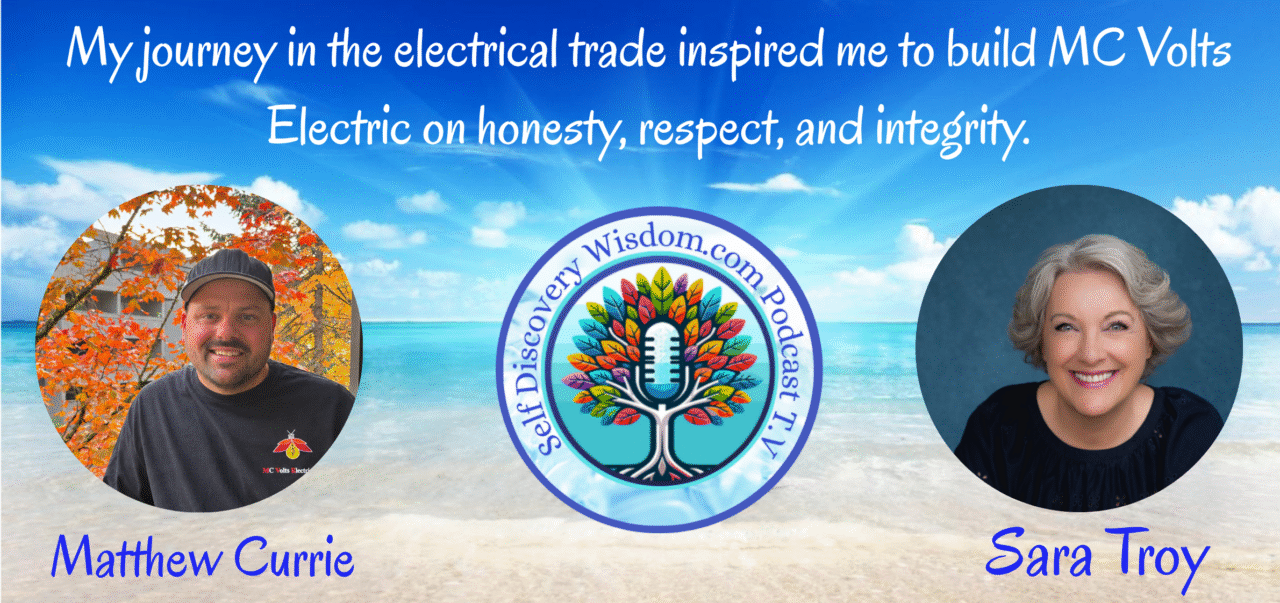
Building your business with Sara Troy and her guest Matt Currie. On air from October 6th
My life has followed what I think of as a pretty typical path: finish school, figure out what you want to do for a living, work hard, buy a home, have a family, and build a successful life. Easy, right? Maybe once upon a time it was, but life is a journey and times have changed. Working hard doesn’t always guarantee success, and success doesn’t always mean owning a home, having a high-paying career, or checking all of the traditional boxes we were taught to strive for. Through my own journey in the electrical trade, I eventually reached a point where I wanted to build something of my own and create a company based on the way I believe people should be treated — with honesty, respect and integrity. That became the foundation for MC Volts Electric. I’m still very much in the middle of that journey.
I’m building the company day by day, learning the business, networking, building relationships and figuring things out as I go. I’m not at a point where I’ve achieved financial freedom or have everything figured out; I’m simply trying to build a sustainable future for my family while continuing to do work that I genuinely love and being the kind of business owner and person I can be proud of. That experience has changed the way I think about success and what it should look like for the next generation. Maybe success isn’t about reaching some predetermined finish line or having everything figured out — maybe it’s about building something meaningful, providing for the people you love, doing work you’re proud of, and staying true to your values along the way. My hope is that sharing my journey through the trades and building MC Volts Electric can encourage others to look beyond the traditional definition of success, recognize the opportunities that exist outside of the expected path, and understand that you don’t have to have it all figured out to start building something of your own.
I was born on November 11, 1987, in Toronto, alongside my twin brother Michael. I grew up in a small town called Duntroon in southern Ontario, and after high school I spent several years working different jobs before deciding I wanted to pursue a trade and build a career with more opportunity and long-term stability. I came west to complete my electrical apprenticeship, finding work in Alberta’s oil industry while working toward my BC apprenticeship. When it came time to choose a place to attend trade school, I picked a random town on a map of British Columbia, Kamloops, and that random choice ended up changing the course of my life. It was there that I met my wife, Tyanaa. Several years later we married and eventually made our way back to Vancouver Island, where Tyanaa is originally from. Today, we live in Nanaimo with our two sons, Ryker and Kayden, and I’m the owner of MC Volts Electric, where I’ve been able to turn the trade I chose years ago into a business and a life that I’m proud of.
Self Discovery Wisdom is sustained by those who believe in conscious conversation. If this episode resonated with you, subscribe and, if you feel called, make a donation. Your support helps us keep amplifying voices that inspire growth, courage, and compassion. Thank you. Please join Our Forgotten Seniorsanthology and help to bring this book to awareness.
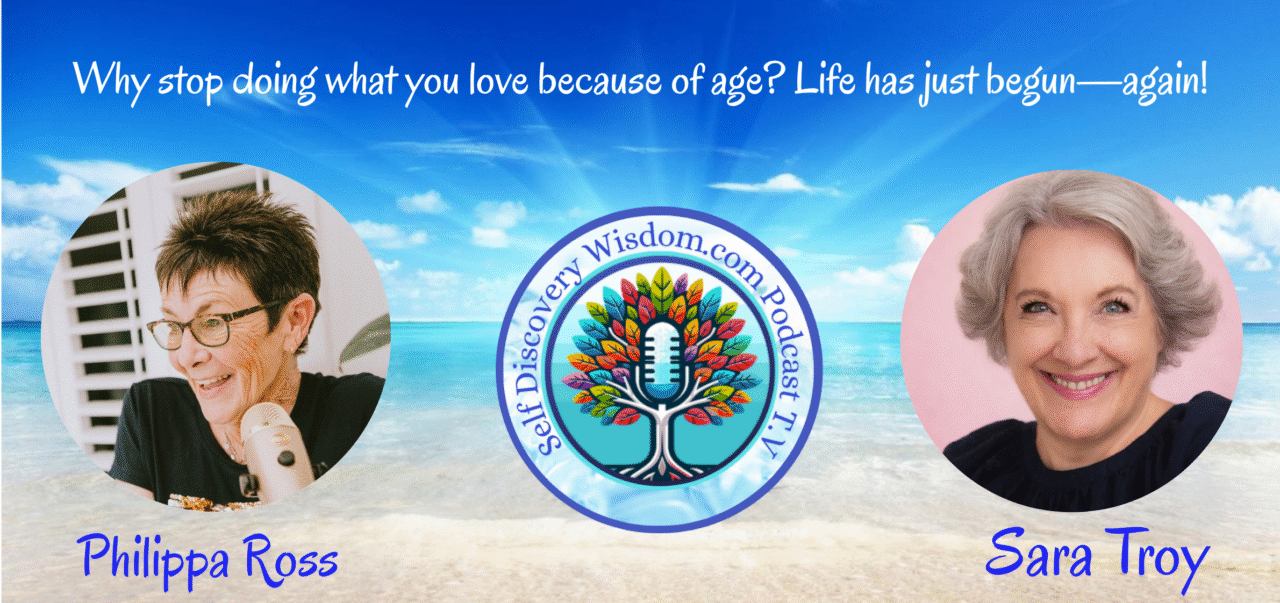
Choose Positive Living with Sara Troy and her guest Philippa Ross. On air from September 8th.
When you do what you love, why would you stop just because you reach retirement age. I feel like life has just begun – again!
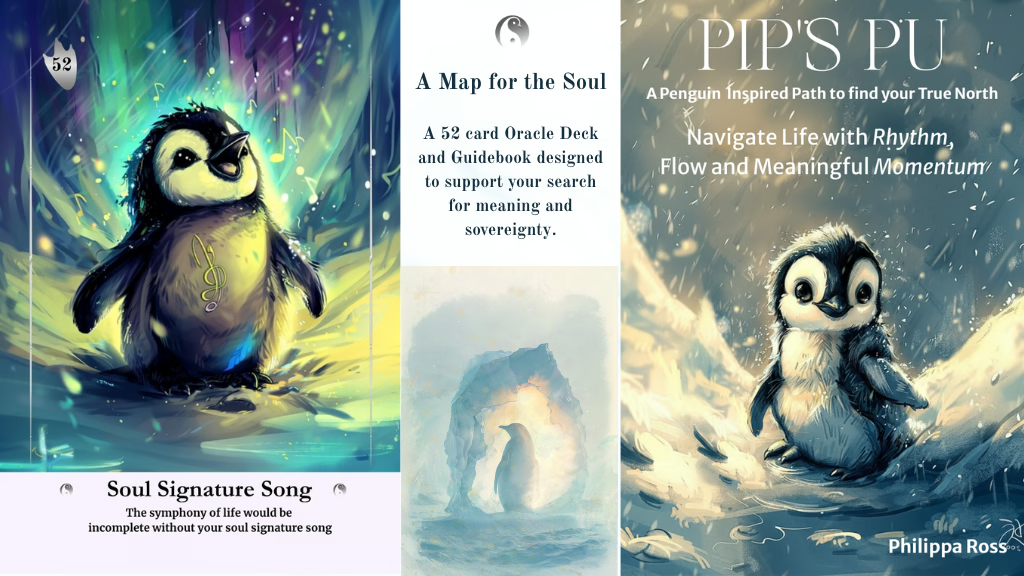
The tiny home I designed and built a couple of years ago has become a sanctuary and creative hub from where the inspiration to develop a penguin inspired oracle deck that has now come to fruition and was launched on Kickstarter on 28th August. 10% of the proceeds going to The Global Penguin Society. Writing the guidebook, or Map for the Soul that I call it was the easiest part, after a lot of research, the artwork was a whole new ball game grappling with Midjourney AI software – and then the Kickstarter campaign, was a mega project all by itself.
Launching the cards, timed with an interview with eminent 91 year old, Oceanographer, Dr Sylvia Earle inspired me to ramp up the emphasis on my own podcast to focus on Ecological Wellbeing in the run up to the end of the year because there are a couple of very significant celebrations that tie in with the theme.
The first being the 10th anniversary since the Ross Sea, Antarctica was granted marine protect on 28th October – the very place my GGG Grandfather, Sir James Clark Ross discovered in 1841 – the second is the 5th anniversary 5 years my Waste Not Want Not podcast – 1st December, deliberately launched on Antarctica Day. I’m aiming to get to 100 episodes and have 12 more guests lined up focusing on penguins, animal communication, conservation and Antarctica with some incredibly prestigious guests.
Philippa Ross is an Enthusiologist, Human Ecologist, author, speaker and host of the Waste Not Want Not podcast, where She explores the importance of building a deeper relationship between people and planet, recognising that we are not separate from nature but part of one interconnected ecological system.
At 65, she is challenging conventional ideas about ageing and what it means to live a meaningful, fully engaged life. Her work centres on self-connection, personal sovereignty and discovering the natural rhythm that allows us to become the youiest you. She is also creator of PIP’s Pu™, a penguin-inspired oracle deck designed to help people navigate life their way.
Free Gift or Offer
Running a 3 day challenge week beginning 20th to 22nd September at 7-8pm NZT on how oracle cards support your growth – there will be opportunity for prize. Just email me and I will send out link when I’ve organised!
Self Discovery Wisdom is sustained by those who believe in conscious conversation. If this episode resonated with you, subscribe and, if you feel called, make a donation. Your support helps us keep amplifying voices that inspire growth, courage, and compassion.
Thank you. Please join Our Forgotten Seniorsanthology and help to bring this book to awareness.
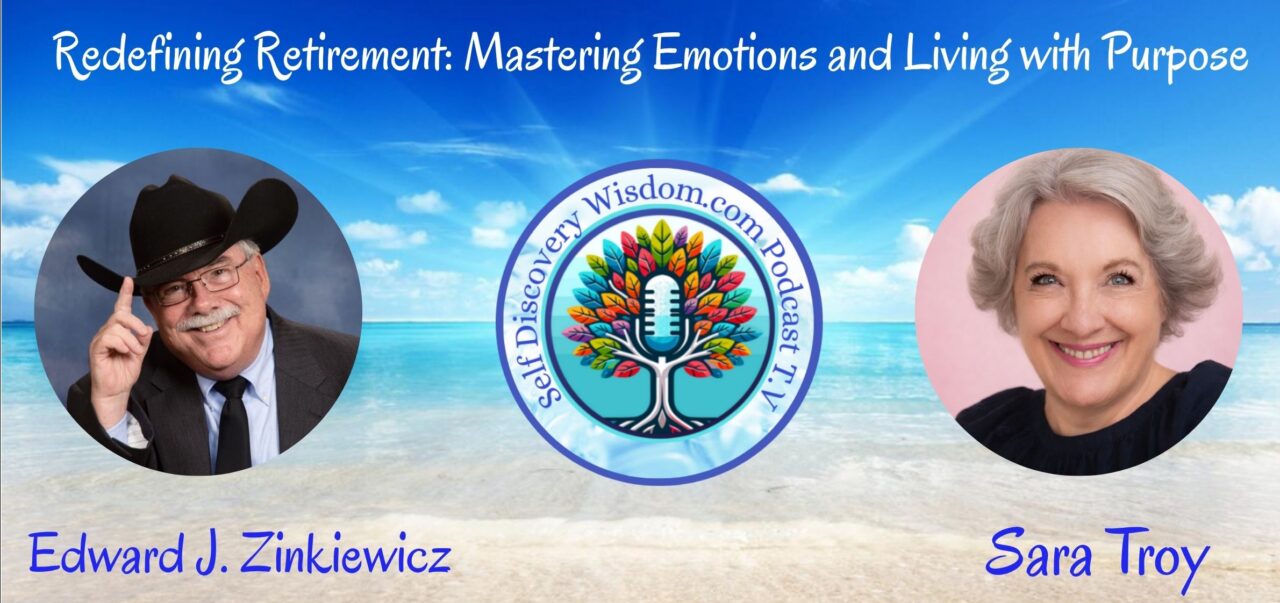
Choose Positive Living with Sara Troy and her guest Edward J. Zinkiewicz (Ed), on air from September 1st
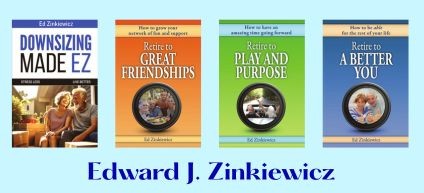
Ed sees his job as helping retirees meet the surprises, face the challenges, and learn the skills needed to thrive. Retirement is not just about how many cruises retirees can take or golf games they can play; it is about defining a new vision of purpose, creating a new supportive network, and learning to become as physically able as possible. Lately, Ed has been helping older retirees deal with the realities of downsizing and giving up driving.
Ed Zinkiewicz’s retirement didn’t start out well. His initial plan was to join his wife in the kind of retirement success she had; they had to invent a new path when her plan fell apart. Ed brings a practical, story-driven approach to retirement. After years of working with people to solve problems as a software engineer, Ed now helps retirees and pre-retirees understand and meet the real-life challenges that can appear after work ends: loss of purpose, loneliness, uncertainty, fears of aging, and concerns about independence. Ed focuses on your finding a new purpose, building a network of friends to combat lonelinC26-Edward J. Zinkiewicz (Ed)ess, and tackling the fears of aging so you can have a retirement that is vibrant, active, and meaningful.
All of our shows/interviews are done by donation; if you enjoyed this show, please support us here with either a one-time donation and subscribe. Thank you.
Please join Our Forgotten Seniorsanthology and help to bring this book to awareness.
Sara’s View of Life, with Sara Troy. On air from August 18th
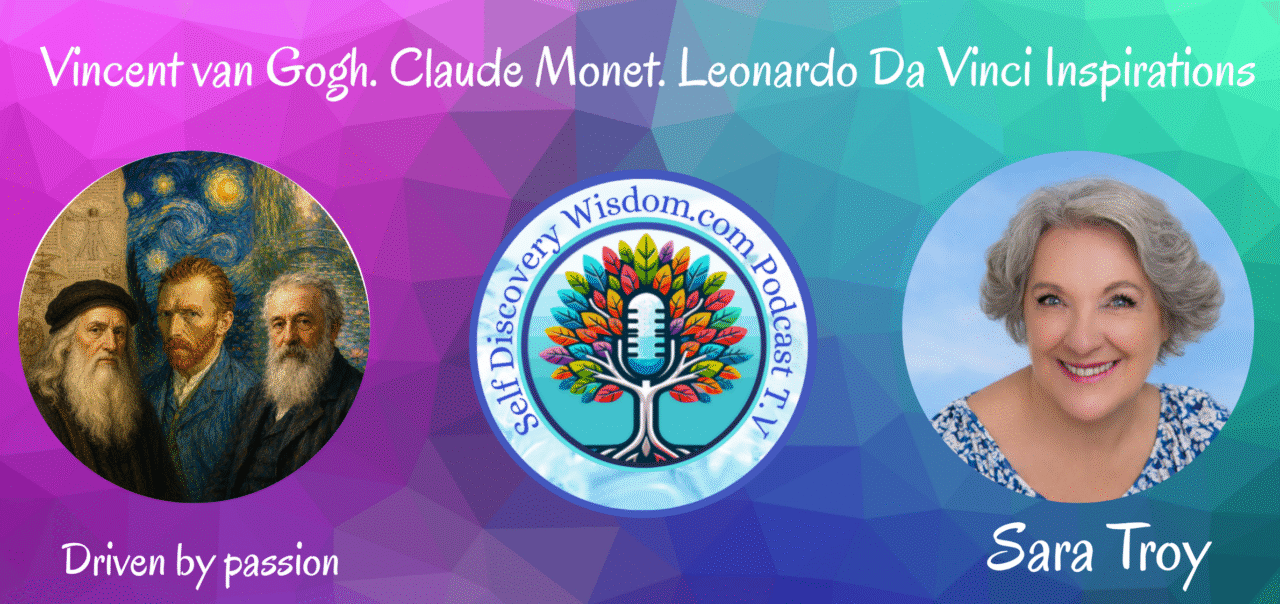
I recently saw the Van Gogh exhibit with Monet and I was transformed. The colours, the hues, the flow, the storytelling. If it comes to your neighborhood, please go and see it. I was so moved I wanted to do a show on them and Leo.
Van Gogh, Leonardo da Vinci, and Claude Monet did more than create extraordinary paintings—they changed how we see and understand the world. Van Gogh expressed deep emotion through colour, Leonardo united art with science and an endless curiosity about life, and Monet captured the ever-changing beauty of light and nature. Each faced hardship, criticism, and resistance, yet remained devoted to his unique vision. Today, we explore the men behind the masterpieces and discover what their lives can teach us about creativity, perseverance, curiosity, and remaining true to ourselves.
Vincent van Gogh: Painting what he felt
Vincent van Gogh was born in the Netherlands in 1853. Before finding his artistic direction, he worked as an art dealer, teacher, bookseller, and lay preacher. He did not seriously decide to become an artist until he was 27. Van Gogh Museum
Van Gogh experienced emotional and mental distress, loneliness, poverty, and periods of serious illness. His brother Theo supported him financially and emotionally, and their letters provide a remarkable window into Vincent’s inner life.
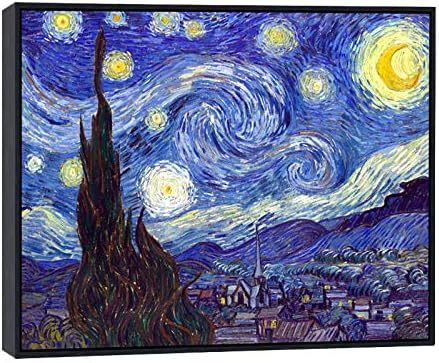
His early paintings were dark and earthy. After moving to France, his work became brighter and more expressive. He used bold colour and swirling brushstrokes to paint what he felt, not merely what he saw.
His best-known works include:
The Starry Night
Sunflowers
Irises
The Bedroom
His many self-portraits
Van Gogh created roughly 2,000 artworks, including about 900 paintings, yet achieved little financial success during his lifetime. He died in 1890 at only 37. His work later became some of the most recognized and valuable art in history. Van Gogh Museum
It is important not to romanticize his suffering. His illness did not make him a great artist; he created great art while struggling with illness. Painting gave him purpose, expression, and moments of healing.
What Van Gogh teaches us: Recognition does not determine the value of what we create. Sometimes the world takes time to understand a unique soul.
Claude Monet: Capturing light and change
Claude Monet was born in Paris in 1840 and grew up in Le Havre, Normandy. The artist Eugène Boudin encouraged him to paint outdoors and study nature directly.
Monet became one of the founders of Impressionism. The movement received its name from his painting Impression, Sunrise. Instead of painting every object with exact detail, the Impressionists captured light, atmosphere, colour, and the feeling of a passing moment. Musée de l’Orangerie
Monet often painted the same scene repeatedly at different times of the day and in different weather. His subjects included:
Haystacks
Poplar trees
Rouen Cathedral
The River Thames
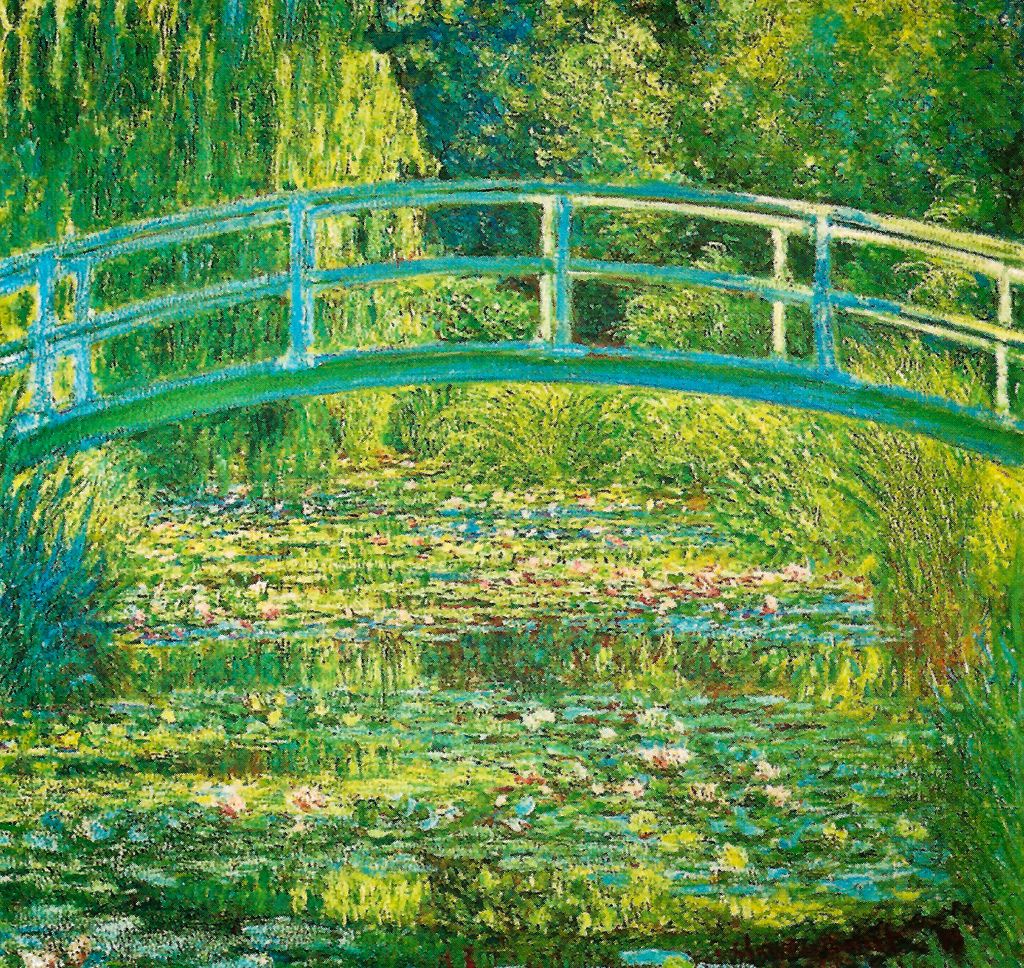
His garden and Japanese bridge
The water lilies at Giverny
Monet endured financial hardship, grief, and failing eyesight. Cataracts altered his ability to see colour, yet he continued painting. His later water-lily works became increasingly expansive and almost abstract.
After moving to Giverny in 1883, Monet created the garden and pond that inspired his most famous paintings. His monumental Water Lilies panels were offered to France as a symbol of peace following the First World War.
What Monet teaches us: Nothing remains exactly the same. When the light changes, our way of seeing can change with it.
Leonardo da Vinci: The Man Who Wanted to Understand Everything
Leonardo da Vinci was born on April 15, 1452, near the small Tuscan town of Vinci in Italy. This is where his name came from—Leonardo da Vinci simply means “Leonardo from Vinci.”
He was born outside marriage to a wealthy notary father and a young mother named Caterina. Because of his birth status, Leonardo did not receive the traditional classical education available to many wealthy boys. Yet this may have allowed his mind to develop more freely. Instead of accepting what books told him, he observed life directly.
As a child, Leonardo was fascinated by water, birds, animals, plants, rocks, light, movement, and the human body. Nature became his first teacher.
Becoming an artist
As a teenager, Leonardo moved to Florence and trained in the workshop of Andrea del Verrocchio, one of the city’s leading artists. There, he learned painting, sculpture, metalwork, mechanics, and engineering.
According to a famous story, Leonardo painted an angel in one of Verrocchio’s paintings so beautifully that his teacher declared he would never paint again. The tale may have been exaggerated, but it reflects how exceptional Leonardo’s talent appeared to others.
Leonardo eventually moved to Milan, where he worked for Duke Ludovico Sforza. He presented himself not only as an artist but also as an engineer who could design bridges, weapons, canals, and buildings.
While in Milan, he painted The Last Supper, which captured the emotional moment when Jesus told his disciples that one of them would betray him. Unfortunately, Leonardo experimented with an unusual painting method, and the work began deteriorating within years of its completion.
The artist and scientist
Leonardo did not see art and science as separate. To paint the human body truthfully, he studied anatomy. To capture movement, he examined muscles, bones, animals, and flowing water.
He dissected human bodies and produced remarkably detailed drawings of the heart, spine, muscles, organs, and a baby developing within the womb. His investigations of the heart led to important observations far ahead of his time. Royal Collection Trust
Thousands of pages from his notebooks survive. They contain ideas for:
Flying machines
Parachutes
Bridges and canals
Military machines
Mechanical devices
Human anatomy
Plants, water, geology, and astronomy
Many designs were never built, but they reveal a mind constantly asking, “How does this work?”
Leonardo often wrote in mirror writing, moving from right to left. We do not know exactly why. It may have felt natural because he was left-handed, or it may have helped prevent the ink from smudging.
The mystery of the Mona Lisa
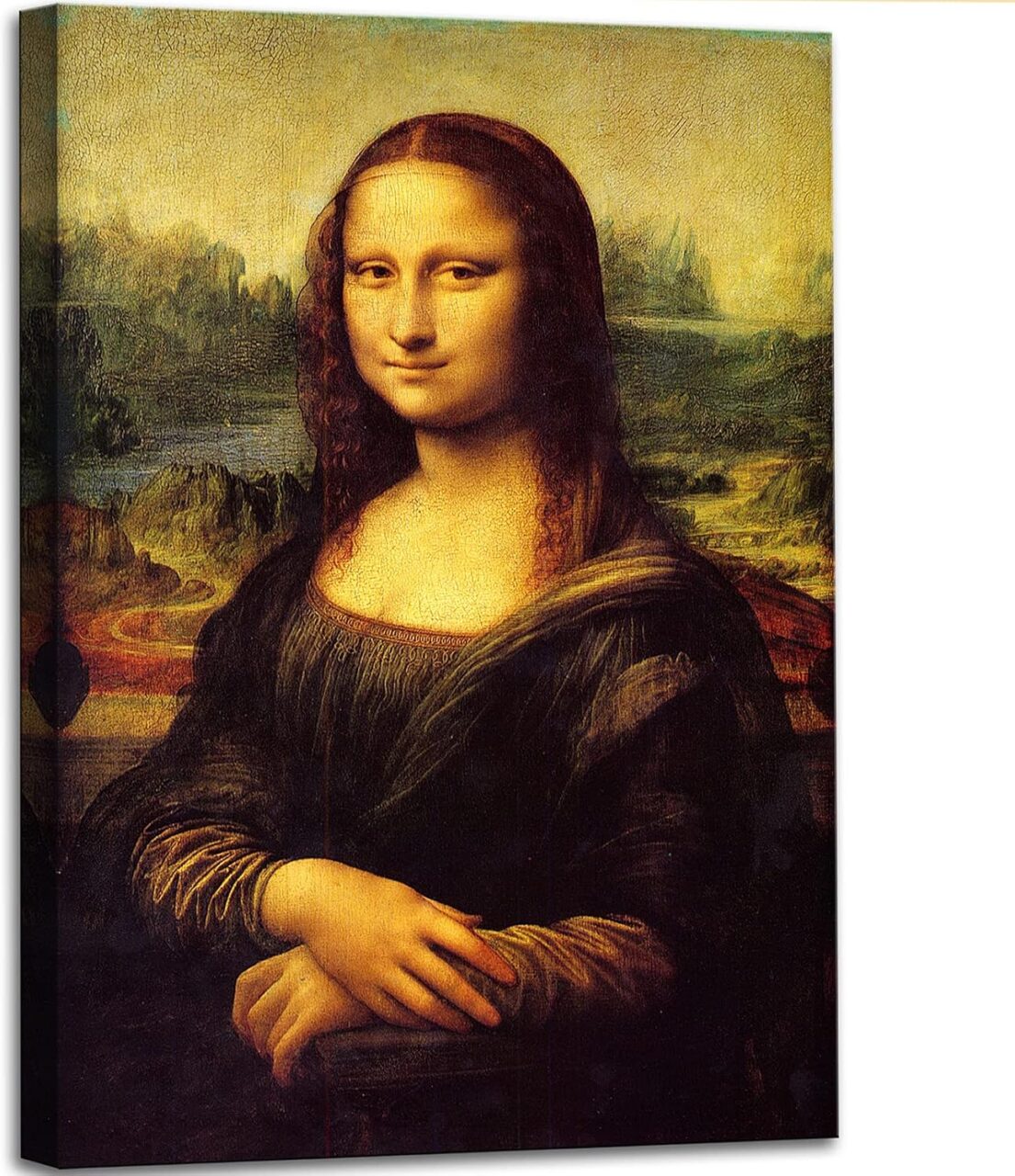
Around 1503, Leonardo began painting the portrait now known as the Mona Lisa. The woman is generally identified as Lisa Gherardini, the wife of Florentine merchant Francesco del Giocondo.
Leonardo used a technique called sfumato, applying very thin layers of paint to create soft, smoky transitions without harsh outlines. This helped make her expression appear to change as we look at her.
He apparently kept the portrait with him for many years and continued refining it. King Francis I later acquired it after inviting Leonardo to France. Today, it is housed in the Louvre and is considered the world’s most famous portrait. Musée du Louvre
A brilliant but restless mind
Leonardo imagined far more projects than he completed. His curiosity repeatedly pulled him from painting into anatomy, engineering, architecture, mathematics, and nature.
He produced relatively few completed paintings. Some patrons became frustrated by his slow pace and unfinished commissions. However, Leonardo was not simply procrastinating. He was continually investigating, reconsidering, and searching for a deeper understanding.
He did not want merely to paint the appearance of life—he wanted to understand the forces that created it. The Louvre describes his investigation of the world as the “science of painting,” through which he attempted to bring life into his art.
His final years
In 1516, King Francis I invited Leonardo to France and gave him a home at Clos Lucé, near the royal château at Amboise. Leonardo brought several treasured paintings with him, including the Mona Lisa.
His health declined, but he continued drawing, teaching, designing, and sharing his ideas. He died in France on May 2, 1519, at the age of 67.
What Leonardo teaches us
Leonardo reminds us that curiosity has no boundaries. He did not allow himself to be defined as only an artist, scientist, engineer, or inventor. He followed every question that awakened his imagination.
His life also shows that unfinished work does not necessarily represent a wasted life. Leonardo completed only a small number of paintings, but the depth of his observation changed how people understood art, nature, and the human body.
Leonardo’s deeper message: Never stop observing, questioning, learning, and wondering. The desire to understand something can be as valuable as the final creation.
In reflection
Leonardo da Vinci saw connections where other people saw separate subjects. Art led him to science, science returned him to nature, and nature deepened his understanding of humanity. Perhaps his greatest masterpiece was not any individual painting or invention—it was the extraordinary way he taught himself to see.
Self Discovery Wisdom is sustained by those who believe in conscious conversation. If this episode resonated with you, subscribe and, if you feel called, make a donation. Your support helps us keep amplifying voices that inspire growth, courage, and compassion. Thank you. Please join Our Forgotten Seniorsanthology and help to bring this book to awareness.



You must be logged in to post a comment.