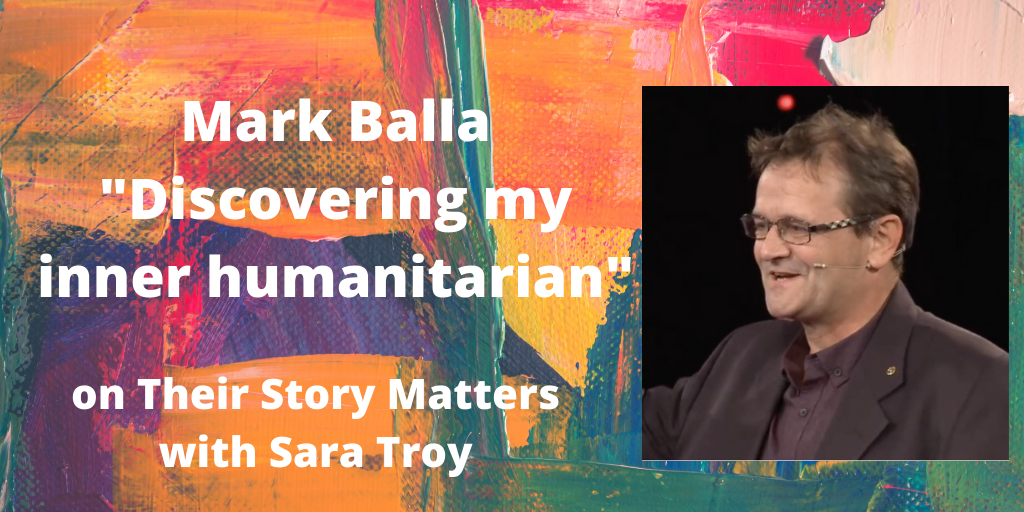
Their Story Matter with Sara Troy and her guest Mark Bello, on air from April 7th
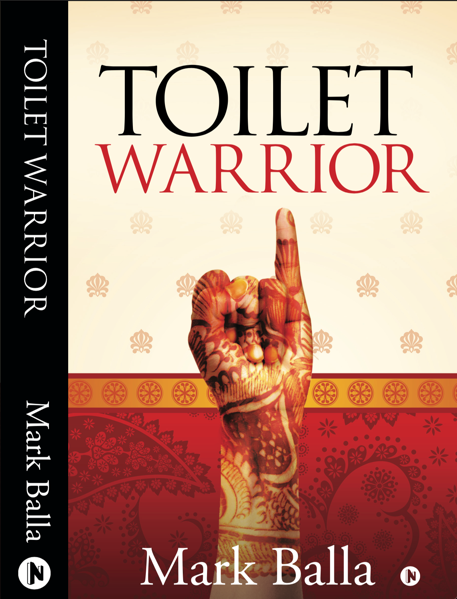
During a business trip to India in 2011, Mark Balla made an unexpected discovery, a discover that was to turn his understanding of our world upside down. He was so shaken by what he learned that he felt unable to simply walk away.
More often than not, when people are confronted by a major issue with global implications you will hear them say “What can I do? I’m only one person.” Mark decided that such a response would be unacceptable, and he made up his mind to get involved. Within three years he had walked away from paid employment, delivered a TED talk, founded a charity, joined a Rotary Club and started a project that has since impacted directly and indirectly on the lives of hundreds of thousands of people.
JOIN SARA AND MARK HERE FOR A DISCOVERING HUMANITY
After completing a degree majoring in Linguistics in the 1980s, Mark Balla took a job working for Lonely Planet Publications, first as an editor and later as a travel writer. Among others, Mark was involved in writing travel guides to various European and Latin American countries.
After leaving Lonely Planet, he spent a number of years working in the commercial shipbuilding industry with a particular focus on trade exhibitions and trade publishing. In the early 2000s, Mark and his wife Annie started their own business in the CD and DVD manufacturing industry. The business grew strongly and was eventually sold to an Australian based supplier. The buyer established a joint venture manufacturing business in India and asked Mark to join the board. This is where his Indian adventure began.
Mark and Annie live in Melbourne, Australia. They have two adult children and a cat. Mark has a complicated relationship with both the cat and his golf handicap. He is an enthusiastic member of the Rotary Club of Box Hill Central where he will be club president in 2020/21. He and Annie are avid travelers, both believing that the world is far too interesting a place not to have a good look at it.
All of our shows/interviews are done by donation, if you enjoyed this show please support us here with either a one-time donation or subscribe and support onPatreon.
Sara Troy on Sara’s View Of Life, on air from March 26th
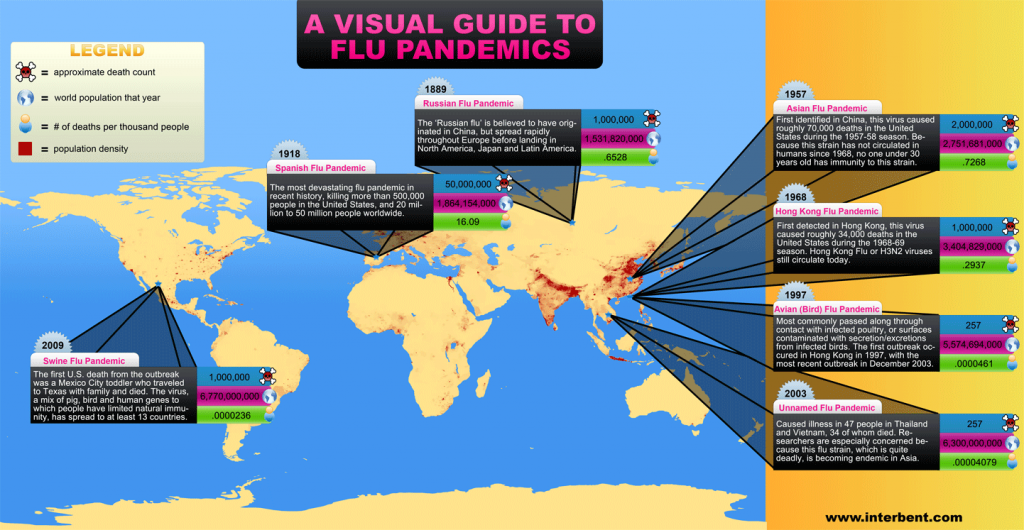
There is so much confusion out there, and many think this is a one-time thing, so I decided to gather facts on what has been before and will most likely happen again. Prospective is needed here, understanding, caution, common sense and due diligence.
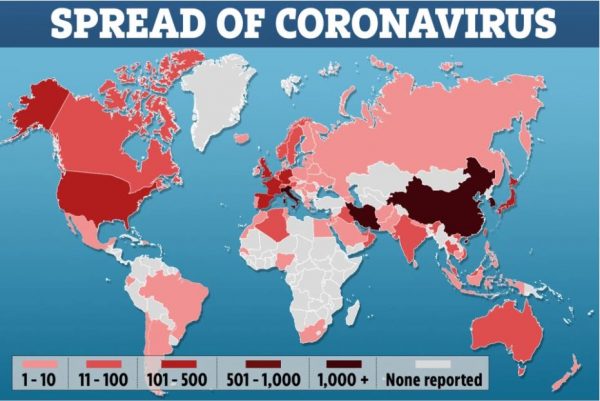
Now that the World Health Organization has declared the novel coronavirus outbreak a pandemic, shutting down cities and even an entire country, many people want to know more about what they can do to fight COVID-19.
Canada confirmed its first case on Jan. 25 and as the new virus makes its way around the world, here’s a breakdown of what it is, who is most at risk, and most importantly, what you can do to protect yourself.
The coronavirus is the next in a long line of pandemics that have shaken the world. Diseases and illnesses like the Spanish Flu, Zika, Cholera, Smallpox, Asian flu, the Bubonic Plague and Black Death have all wreaked havoc on societies and killed millions.
Global Pandemics
The earliest recorded pandemic in history was in 430 B.C., Athens. In 1918, the Spanish Flu claimed a dark spot in the history books. 500 million people, or a third of the world’s population was infected, and 50 million died.
The Spanish flu pandemic, from 1918 to 1920, claimed 100 million lives. It is considered the worst in history. The Black Death claimed the lives of over 75 million people in the 14th Century.
The Black Death killed 30-60% of Europe’s total population.
Some viruses are present in animals but rarely spread to humans. Sometimes an event can happen that makes this possible.
Health authorities are concerned when a case arises of an animal virus passing to humans, as this can be an indication that the virus is changing.
Swine flu and bird — or avian — flu, refer to viruses that were common in pigs or birds, but not in humans, until an antigenic shift occurred.
In recent years, there has also been concern about viruses that have been linked to camels (causing Middle East Respiratory Syndrome, or MERS) and monkeys (Ebola).
If an influenza pandemic were to emerge today, the following problems could arise:
People today are more international mobile and more likely to live in cities than in the past, factors which increase the risk of a virus spreading.
Faster communication increases the risk of panic and the chance that people who may be infected will travel in an attempt to escape the disease, potentially taking the virus with them.
It can take months or years for a vaccine to become available because pandemic viruses are novel agents.
Medical facilities would be overwhelmed, and there could be shortages of personnel to provide vital community services, due to both the demand and illness.
Medical science has advanced rapidly in recent years, but it is unlikely ever to offer full protection from a possible pandemic, because of the novel nature of the diseases involved.
The following are all potential causes of concern:
Viral hemorrhagic fevers
Viral hemorrhagic fevers, including the Ebola and Marburg viruses, could become pandemics.
However, close contact is needed for these diseases to spread.
Modern surveillance systems, lessons learned from the Ebola outbreak in West Africa in 2014 to 2015, and an experimental vaccine that is currently available for people who may be affected by the disease, offer hope that, in future, new cases will be dealt with swiftly and that the disease can be contained.
Antibiotic resistance
Antibiotic resistance is a major concern. Resistant strains of tuberculosis are among the most worrying.
Each year, almost half a million new cases of multidrug-resistant tuberculosis (MDR-TB) are estimated to occur globally.
SARS and MERS
SARS, caused by a coronavirus, has come close to generating a pandemic in recent years. Health agencies and government bodies prevented the disease from becoming more than localized epidemics. SARS has not been eradicated, however, and may return.
Another respiratory disease, MERS, is also a matter of concern, although the number of cases so far has been relatively small, with only 2,494 reported cases between September 2012 and November 2019, according to the WHO.
Influenza
Wild birds are a natural host for a variety of influenza strains. In rare cases, these influenza species can pass from bird to human, sparking epidemics with the potential to turn into pandemics, if left unchecked.
Avian flu (H5N1) is an example of this. The strain was first identified in Vietnam in 2004. It never reached epidemic levels, but the potential ability of the virus to combine with human flu viruses is a concern to scientists.
Ebola
The largest Ebola epidemic the world has ever seen affected Liberia and surrounding countries in West Africa in 2014 to 2015. Huge efforts to contain the problem prevented it from turning into a pandemic.
Ebola has recently resurfaced in the Democratic Republic of Congo, in Central Africa, and the WHO is monitoring the situation.
Medical science has advanced rapidly in recent years, but it is unlikely ever to offer full protection from a possible pandemic, because of the novel nature of the diseases involved.
Flu home remedies, use these for the Covid 19 virus too.
When a person has flu, it is essential that they:
stay at home
Wash hands and face and surfaces often
avoid contact with other people if possible
keep warm and rest
consume plenty of liquids and healthful foods
avoid alcohol
stop smoking, as this raises the risk of complications
The flu virus transmits through droplets of liquid. A person can pass the virus on to another person who is up to 6 feet away from them when they cough, sneeze, talk, or breathe.
A healthy individual can pass on the virus a day before they, themselves, have symptoms. In other words, it is possible to pass on the flu before you know you have it. The infected individual can continue to transmit the virus for up to 5–7 days after symptoms appear.
People with a weakened immune system, older people, and young children may be able to pass on the virus for longer than this.
Flu is most contagious in the first 3–4 days after symptoms appear.
How long is flu contagious? Find out here. Medical News Today NewsletterStay in the know. Get our free daily newsletter
What is COVID-19?
It’s the illness that’s caused by a viral respiratory infection. The virus that leads to COVID-19 is known as SARS-CoV-2????.
Dr. Allison McGeer, a clinical scientist with Sinai Health System in Toronto, said SARS-CoV-2 probably started showing up in China in November 2019.
The World Health Organization says Chinese officials first reported cases of pneumonia with an unknown cause to the WHO Country Office on Dec. 31, 2019.
Although using soap to thoroughly cleanse your hands is best, “if hand sanitizer is all you have, use that,” said Bogoch.
“Go for the hand sanitizer that has about 70 per cent alcohol,” he said.
How does it spread?
The World Health Organization says the virus is spread from person-to-person through small droplets from an infected person’s mouth or nose.
“If you get the virus on your hands, this virus does not infect you through your skin,” said McGeer. “It has to then be transmitted to your eyes, mouth or nose.”
That’s why it’s so important to keep your hands away from your face, said Bogoch.
“It’s actually hard to do that in practice, but if people are mindful and don’t touch their faces… they’ll come into less contact with this virus,” said Bogoch.
Should you be stockpiling toilet paper? Food?
COVID-19 isn’t a gastrointestinal virus, said McGeer.
“We’ve seen quarantines in China and Italy … but there’s not been a circumstance in which there have been shortages of food or basic supplies or life-saving medication.,” she said.
If you do get sick, you will need to stay home for two weeks.
Having enough food for 14 days is key, said McGeer. You should also refill your prescriptions so you have enough medication to last through a quarantine.
What are the symptoms?
Though many people infected with COVID-19 may have few or no symptoms, the government of Canada’s website says those symptoms include:
Fever
Cough
Difficulty breathing
Pneumonia in both lungs
7. What happens if you get infected?
Stay home, say both McGeer and Bogoch.
The government of Canada website also outlines that if you need to see a doctor or go to the hospital because your illness is severe, call ahead or tell officials that you have a respiratory illness right when you arrive.
The bottom line is this, follow the guidelines, with social distancing, washing hands, washing surfaces, clothes, and foods. Support each other, keep upbeat and do not give in to fear, but ignite common sense and mindfulness, and we will prevail, not only healthy but more mindful of our practices and what we need to do to change things.
There’s no dispute dealing with something the scope of an illness circling the globe is difficult, but what if there were some aspects that eventually produce good?
Things I see:
People are actually talking to one another about what they think and feel.
Because this virus is circling the globe it shows us, despite a trend toward nationalism, we are all connected, there are no borders or boundaries separating us.
Fear spreads faster than any virus and its effect is toxic.
We are given the choice to move into acting from fear or just being cautions, educating ourselves and using common sense.
It gives us the opportunity for compassion and concern for others when we refuse to give into fear.
As we watch various world leaders their reaction shows us who they are, what they value and care about, what kind of human they really are
This gives us a chance to reflect on our life: how we live, what we value, how we spend our time, what we want our life to stand for.
It reminds us that life is precious and not to be taken for granted.
For me, I don’t believe anything is random. No matter the appearance, to me, everything serves a purpose and that purpose is to help us evolve into better humans even if that’s not apparent at the moment.When all is said and done some good will come of this. And, that doesn’t deny the pain, suffering, angst, sadness it also brings. That is very real and cannot be talked or written away. I don’t in any way want to minimize that. The attempt here is to show there are always beneficial results that come after devastation. They both exist side by side. Another aspect of living.
My concern, caring and condolences to all who are or have been affected by this illness.
Dianne J. Shaver, M.A.
Dianne is a Mentor with Discovering Communities and her shows and info can be found here.
Our Global Veterans with Sara Troy and her guest Jen Satterly, on air from February 25th
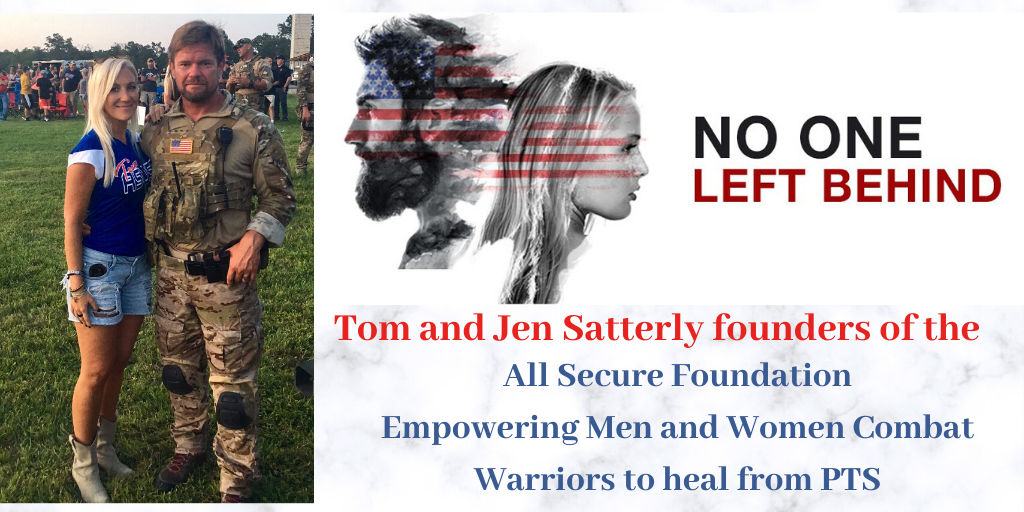
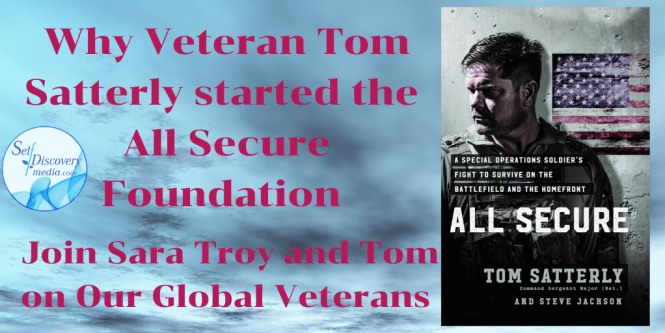
I’m Jen, the Co-Founder/CEO of All Secure Foundation that I started with my husband Tom Satterly (retired Delta Force CSM) to help others who are going through what we’re going through manage and heal from PTSD.
I started up Virago for women who love a warrior, domestic and deployed, as a means of supporting one another because everyone needs a tribe that just “gets it” without explanation. Wives, girlfriends, finances, parents, sisters, friends… ALL ARE WELCOME HERE!
So, In a snapshot: – I’m married to an exceptional man. – I have two kids that overfill my heart. – I worked for 3+ year embedding with Special Operations, Navy Seals, Green Berets, and Army Rangers filming large scale stateside mission training and loved every bit of it. Well, mostly all of it. – I love to travel. I love dancing and singing but I don’t do either well. I love to cook when I feel like it and love eating out at local spots when I don’t. – I’m an empath, a creative, a Libra, an ENFP, and a self-help content junkie (looking at you Brené Brown).
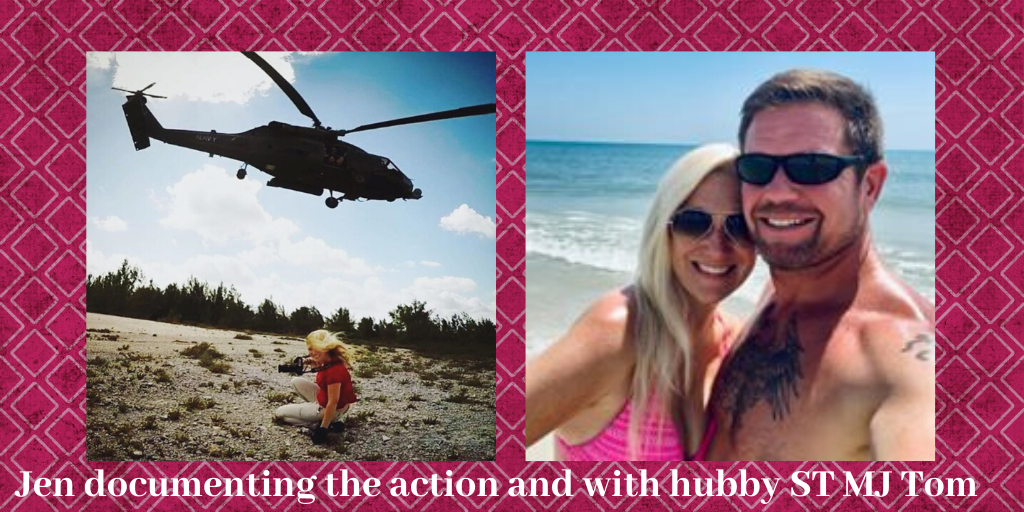
Jen Satterly owned an advertising and film/photography studio in St. Louis, creating international award-winning work for over 10 years. Jen has a passion for service and donated her time working with several nonprofits including Pujols Family Foundation where she served as a documentarian in the Dominican Republic on a medical relief mission in some of the poorest communities in the country.
After years working in the commercial sector in film and photography, Jen helped to form an elite Special Operations military contracting company as Director of Film and Photography. For over 3 years Jen embedded with and filmed Navy Seals, Green Berets, and Army Rangers on large scale Realistic Military Exercises across the United States and in non-hostile overseas locations. RMTs mimic combat as closely as possible and span days to several weeks.
Although Jen had been working the last few years to help her husband, Command Sgt. Major (Ret.) Tom Satterly, heal from PTS after 20 years in combat with Delta Force, she began to see the same issues he quietly faced destroying Special Operations warriors and their families.
With more than 22 suicides by active duty service members and veterans, she was unable to look the other way and knew that her new mission in life was to help warriors and their loved ones heal at home.
Jen became certified in health coaching to better understand how stress damages the body and how to heal from it. She immediately began to donate her time to hundreds of Special Operations veterans and their spouses to regain their health and combat the effects of PTS.
In August 2017, Jen and Tom, co-founded All Secure Foundation to serve Special Operations warriors and their families to heal from the invisible wounds of war with resources, treatment and facility recommendations, together with a marriage and trauma therapist, they host Special Operations Warrior Couple Workshop Retreats for active duty units and Special Operations combat veterans across the country.
Jen and Tom also speak out to help create awareness of the veteran suicide epidemic and what we all can do to help combat it. They have spoken at a Congressional Briefing, Senate VA Hearings, military bases, veteran support groups and corporations.
Jen serves as All Secure Foundation’s Co-CEO, is currently writing a book, Virago, and in her downtime she enjoys traveling with Tom and her two children.
FOR MORE OF THEIR SHOWS AND MENTORSHIP PLEASE CLICK ON BANNER.
All of our shows/interviews are done by donation, if you enjoyed this show please support us here with either a one-time donation or subscribe and support on Patreon.
Sara’s View of Life with Sara Troy, on air from March 3rd
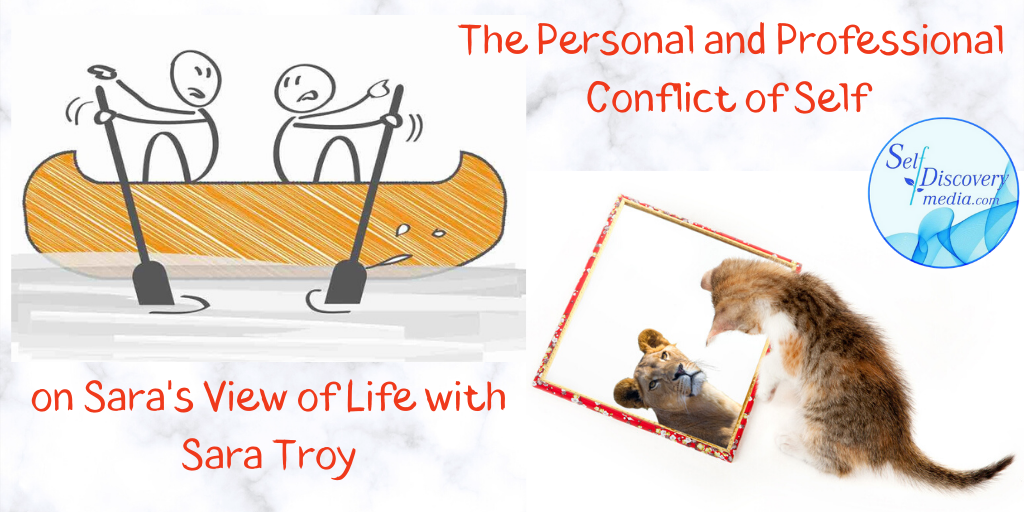
Conflict, something we are all way too familiar with, why do we need to be conflicted over our professional and personal selves? there is no need for this for we are one and the same.
If you are living as an authentic person enjoying your meaningful purpose of your work and love to to do it every day, there can be no conflict between your professional and personal self, for you are your work, your passion for what you do is who you are, so the two meld together as a Ying and Yang of self, constantly balancing the needs of both.
The conflict comes when you are not enjoying your work when it requires you not to be yourself when it takes you away from being passionate about what you do. The demands of being someone who is so-called professional but makes you wear a different face that simple is not you, and will eventually catch up to you and you will know you are living a life of expectation and not of your authenticity.
We can be professional and personal in our work, it simply means wearing different hats for different situations, but not losing your head over it. We want people to be themselves in every aspect of life, for in business, people will buy you before they buy anything from you.
Our professionalism is purely in our delivery of the moment while still being true to yourself. We want personal attention in today’s world, and we can give that of our selves in a professional way. People are tired of fake people, fake presentations, we want to know that who we are dealing with is truly real and professional in their realism.
In our self discovery of who we are, why we do what we do, where we are going, how are we getting there, where is there? it is easy to get confused. We are inclined to the boat unshaken just for peace sake, but little by little we die inside.
When in that self discovery, we find our true calling, our true passion, our conviction, our skills, we rock our boats and set sail down that river of exploration and wonderment.
So do not be afraid to explore your self, for that face your wearing that does not fit, it will peal of at some stage to reveal a person who is either so very unhappy or a person of awesomeness that is waiting for permission to be.
GIVE YOUR SELF PERMISSION TO BE YOU AND YOU WILL GO INTO EVERY ASPECT OF YOUR LIFE IN AUTHENTICATION.
So don’t wear different faces or personas, just different hats for different situations so that you do not lose your self along the way, but rather find a balance between your public and personal persona so you can be totally you in either realm.




You must be logged in to post a comment.