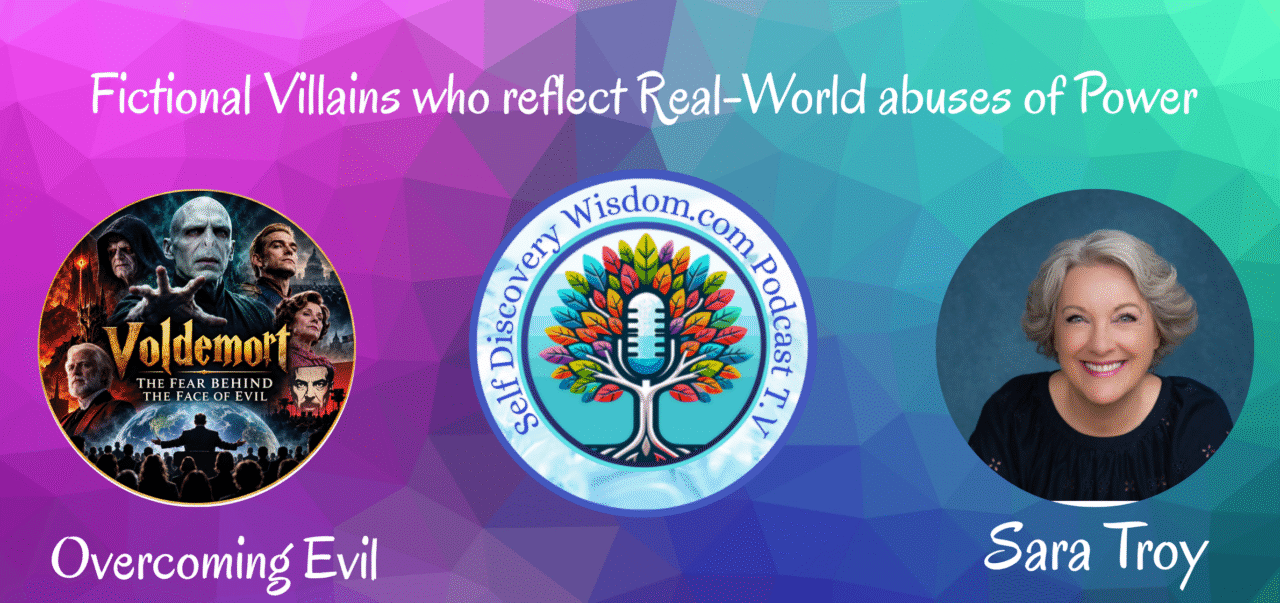
Fictional villains who reflect real-world abuses of power.
Why are we so fascinated by villains and the power they wield? And why do we keep looking to superheroes to come and save us, when perhaps the greatest power of all lies within ourselves, the courage to stand up, take responsibility, and become the heroes of our own lives?
Perhaps superheroes inspire us to discover the hero within ourselves, while villains reflect the darkness, fear, and evil we see in the world around us. But in the end, we must realize that we are the heroes of our own lives and communities. We each carry the courage, compassion, wisdom, and strength to make a difference. We do not need extraordinary powers to do extraordinary things. When we rise above fear, stand together, and lead with heart, soul, and spirit, we become the light that pushes back the darkness. For the greatest heroes are not those who come to save us, but those who awaken the hero within others, inspiring us all to rise, unite, and create a world worth believing in.
Let us step into the world of fictional villains and look beyond their frightening faces to the fear, greed, manipulation, and hunger for power that drive them. Then let us look at the world we live in today. Are these villains really just characters from our imagination, or do we recognize their behaviours, their tactics, and their desire for control playing out in our own society? Perhaps the most frightening part is not how fictional these villains are, but how familiar they have become.

1. Lord Voldemort — Harry Potter
Terrified of death and weakness, he seeks immortality and absolute control. His followers obey through fear, ambition, and promises of superiority.
Parallel: Dictators who create enemies and demand unquestioning loyalty.

2. Emperor Palpatine — Star Wars
Manipulates political crises, manufactures fear, and persuades people to surrender freedom in exchange for security.
Parallel: Leaders who exploit emergencies to accumulate power and weaken democracy.

3. President Snow — The Hunger Games
Maintains power through spectacle, punishment, inequality, and fear. He understands that hope can threaten his control.
Parallel: Authoritarian rulers who keep populations divided, distracted, and afraid.

4. Sauron — The Lord of the Rings
Seeks domination over all others, corrupting people through their desires for power and possession.
Parallel: Systems of corruption where ambition and greed make people surrender their principles.

5. Dolores Umbridge — Harry Potter
Hides cruelty behind politeness, rules, and claims of maintaining order. She uses institutional authority to punish dissent.
Parallel: Officials who use bureaucracy and regulations to justify oppression.

6. Homelander — The Boys
Desperately craves admiration, cannot tolerate criticism, and uses intimidation to maintain his heroic public image.
Parallel: Personality cults, narcissistic leadership, and the danger of unchecked power.

. Big Brother — 1984
A symbol of omnipresent state authority, surveillance, propaganda, and the manipulation of truth.
Parallel: Governments and institutions that control information and suppress independent thought.

8. Scar — The Lion King
Driven by jealousy and entitlement, he manipulates others into helping him seize a throne he believes he deserves.
Parallel: Leaders who prioritize personal ambition over the wellbeing of those they govern.
What makes this exploration so fascinating is that evil does not always wear the same face. Some villains are driven by the fear of death, others by rejection, insecurity, or the terrifying thought of losing control, while some believe they are simply entitled to rule over others. But perhaps what is even more disturbing is the power we give them. What about those who enable their rise—the followers who are too afraid to speak out, those who benefit from their cruelty, and those who convince themselves that obedience is safer than resistance? When we look at characters like Voldemort, Palpatine, President Snow, Umbridge, and Homelander, we see five different faces of destructive power, each reflecting behaviours we may recognize in our world today. So we must ask ourselves: Is the greatest danger the person who seeks absolute power, or the fear, silence, and blind obedience of those who allow that power to grow? And perhaps the even greater question is, at what point do we stop waiting for someone else to stand up and recognize that we have the power, the voice, and the responsibility to stand together and change the story?
| ITunes | SPotify+Video | Soundcloud |
| Amazon | Youtube Music | iHEART |
| Podvine | Podcasher | Podcast Addict |
| Mixcloud | Radio Public. | FM Player |
| Odysee | Youtube | BusyMumsmedia |
| DO ENJOY THE WISDOM | Thanks for listening | Feedspot |
FIND MORE SHOWS OF ILLUMINATION HERE
All my links can be found on linktr.ee/saratroy
BE OUR GUEST AND SHARE THE WISDOM
Self Discovery Wisdom is sustained by those who believe in conscious conversation. If this episode resonated with you, subscribe and, if you feel called, make a donation. Your support helps us keep amplifying voices that inspire growth, courage, and compassion. Thank you. Please join Our Forgotten Seniors anthology and help to bring this book to awareness.


Discover more from Self Discovery Wisdom Podcasts
Subscribe to get the latest posts sent to your email.