The COVID-19 pandemic has resulted in rising unemployment rates. Many industries have been hit hard by the virus and many companies have folded. Millions of people have lost their jobs.
If you’re one of the many people now unemployed because of COVID-19, don’t worry, there are still companies out there willing to hire new talent in an effort to keep their companies afloat and tackle the virus.
Here we’ll show you some of the most resilient jobs during this unprecedented COVID-19 pandemic.
Data Science
Data Science is a discipline that’s shaping the future of the healthcare sector and many other industries. More importantly, those working in the field are doing an outstanding job within the medical industry during the COVID-19 pandemic.
The work consists of analyzing data to detect patterns so scientists can forecast situations through data insights. Although this is a relatively new career, there has always been a high demand for data scientists because any company can benefit from these professionals.
If you’re not familiar with this discipline, there are some great boot camps out there that will train you to become a professional data scientist. One of the most in-depth courses is Galvanize’s data science Bootcamp. Here you’ll learn about the fundamentals of statistics and how to work with programming languages like Python.
Software Engineering
The telemedicine industry has become a very important tool during COVID-19 lockdowns across the globe. Telemedicine has become the primary source for medical aid in non-fatal cases.
Most telemedicine companies need Software Engineers to maintain or update their platforms, so this is a job that has remained secure during the COVID-19 pandemic as companies look to hire more software engineers.
To become a software engineer, you’ll need to learn how to code and you can do so by applying for a bachelor’s degree in computer science or by taking online courses, the latter of which is the quickest option. Flatiron School offers an immersive software development course where you can learn everything you need to know in a short period of time.
Machine Learning
Machine learning has shown its potential during the COVID-19 pandemic, allowing researchers to study the spread of the virus, forecast its impact and advise governments on what steps should be taken to protect their citizens.
Machine learning is also being applied by drug companies looking to find a COVID-19 cure. With machine learning, drug developers can develop drugs faster, find new medicine to help treat the infected and contribute to the discovery of a cure.
Drug development companies, government research initiatives and the healthcare industry are just some of the sectors currently looking to hire employees who possess the skills to apply machine learning.
Although there is no specific Bachelor’s Degree in machine learning, you can always learn this skill through a machine learning Bootcamp. At Springboard’s machine learning Bootcamp, you’ll not only learn about machine learning engineering but also train to develop deep learning products, which is another in-demand skill in the tech industry.
Psychology
The COVID-19 pandemic has left scores of people battling mental distress and psychologists have joined the ranks of many other professionals offering their services remotely via online consultations.
With increased levels of stress and anxiety throughout populations across the world, the role of psychologists has become vital during he COVID-19 pandemic, allowing this profession to remain resilient.
Conclusión
If you’re one of the millions out of work because of the COVID-19 pandemic you may be feeling depressed or lost, but there’s light at the end of the tunnel. There are companies still hiring despite the situation.
Some skills are essential to overcome the pandemic and many people are upgrading their skill sets to respond and enter new careers which will allow them to work remotely during ongoing COVID-19 lockdowns.
Can’t help noticing there are many who are following a particular rhetoric and way of living but when questioned about why they are doing that they are unable to answer. Sometimes life can feel difficult and hard. We all experience that. When you feel that way you have some choices:
1) You can learn what you need to learn from what’s going on and then put all your focus on resolving it.
2) You can find others who support you in the believe that life sucks and find something to blame your circumstances on and not look at the choices you are making.
When you choose the later you have to give up the most precious thing you have – your inner sense of what is best for you. It’s that fail-safe part of every human being. When you over-ride it and follow someone else’s dictates you lose your most precious asset. And, by the way, most adults ignore it so you are not alone. Even if you are successful, you are very often cut off from your True Self.
Why are you are living the life you are living when you know it’s not right for you but you keep on doing it? It takes courage and determination to change. But the reward is finally being who you really are. Being free, feeling liberated and a sense of being your True Self.
Because it’s the work I’ve dedicated my life to (and no, I am not perfect in any way and I am, like you, always growing and evolving), I created The Audit.
If you are ready to finally be free to be your True Self, if you are committed to living a life that’s the Real You, in 13 weeks, I am committed to getting you to a place where you know who you are, your unique gifts and the path you are meant to follow because it comes from your Real Self.
You can finally experience freedom, liberation and the joy of being who you were created to be, the Real You. But only if you are ready.
Life may not come with a map, but everyone will experience twists and turns, from everyday challenges to traumatic events with more lasting impact, like the death of a loved one, a life-altering accident or a serious illness. Each change affects people differently, bringing a unique flood of thoughts, strong emotions and uncertainty. Yet people generally adapt well over time to life-changing situations and stressful situations — in part thanks to resilience.
Psychologists define resilience as the process of adapting well in the face of adversity, trauma, tragedy, threats or significant sources of stress — such as family and relationship problems, serious health problems, or workplace and financial stressors. As much as resilience involves “bouncing back” from these difficult experiences, it can also involve profound personal growth.
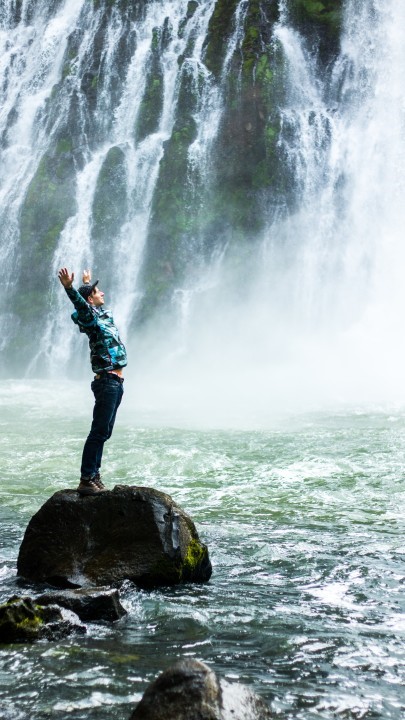
While these adverse events, much like rough river waters, are certainly painful and difficult, they don’t have to determine the outcome of your life. There are many aspects of your life you can control, modify and grow with. That’s the role of resilience. Becoming more resilient not only helps you get through difficult circumstances, it also empowers you to grow and even improve your life along the way.
Being resilient doesn’t mean that a person won’t experience difficulty or distress. People who have suffered major adversity or trauma in their lives commonly experience emotional pain and stress. In fact, the road to resilience is likely to involve considerable emotional distress.
While certain factors might make some individuals more resilient than others, resilience isn’t necessarily a personality trait that only some people possess. On the contrary, resilience involves behaviors, thoughts and actions that anyone can learn and develop. The ability to learn resilience is one reason research has shown that resilience is ordinary, not extraordinary. One example is the response of many Americans to the Sept. 11, 2001 terrorist attacks and individuals’ efforts to rebuild their lives after tragedy.
Like building a muscle, increasing your resilience takes time and intentionality. Focusing on four core components — connection, wellness, healthy thinking and meaning — can empower you to withstand and learn from difficult and traumatic experiences. To increase your capacity for resilience to weather — and grow from — the difficulties, use these strategies.
Build your connections
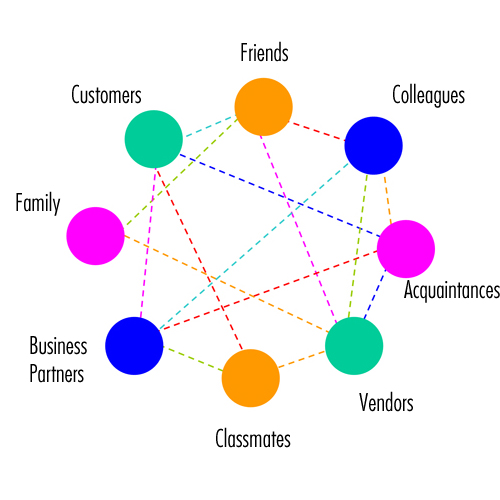
Prioritize relationships. Connecting with empathetic and understanding people can remind you that you’re not alone in the midst of difficulties. Focus on finding trustworthy and compassionate individuals who validate your feelings, which will support the skill of resilience.
The pain of traumatic events can lead some people to isolate themselves, but it’s important to accept help and support from those who care about you. Whether you go on a weekly date night with your spouse or plan a lunch out with a friend, try to prioritize genuinely connecting with people who care about you.
Join a group.
Along with one-on-one relationships, some people find that being active in civic groups, faith-based communities, or other local organizations provides social support and can help you reclaim hope. Research groups in your area that could offer you support and a sense of purpose or joy when you need it.
Foster wellness
Take care of your body.
Self-care may be a popular buzzword, but it’s also a legitimate practice for mental health and building resilience. That’s because stress is just as much physical as it is emotional. Promoting positive lifestyle factors like proper nutrition, ample sleep, hydration and regular exercise can strengthen your body to adapt to stress and reduce the toll of emotions like anxiety or depression.
Practice mindfulness
Mindful journaling, yoga, and other spiritual practices like prayer or meditation can also help people build connections and restore hope, which can prime them to deal with situations that require resilience. When you journal, meditate or pray, ruminate on positive aspects of your life and recall the things you’re grateful for, even during personal trials.
Avoid negative outlets. It may be tempting to mask your pain with alcohol, drugs or other substances, but that’s like putting a bandage on a deep wound. Focus instead on giving your body resources to manage stress, rather than seeking to eliminate the feeling of stress altogether.
Find purpose
Help others. Whether you volunteer with a local homeless shelter or simply support a friend in their own time of need, you can garner a sense of purpose, foster self-worth, connect with other people and tangibly help others, all of which can empower you to grow in resilience.
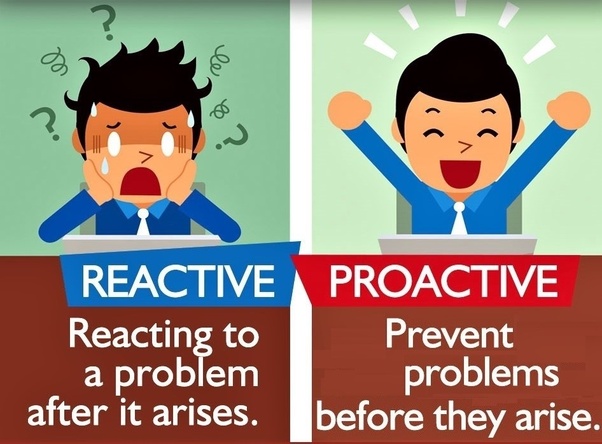
Be proactive.
It’s helpful to acknowledge and accept your emotions during hard times, but it’s also important to help you foster self-discovery by asking yourself, “What can I do about a problem in my life?” If the problems seem too big to tackle, break them down into manageable pieces.
For example, if you got laid off at work, you may not be able to convince your boss it was a mistake to let you go. But you can spend an hour each day developing your top strengths or working on your resume. Taking initiative will remind you that you can muster motivation and purpose even during stressful periods of your life, increasing the likelihood that you’ll rise up during painful times again.
Move toward your goals.
Develop some realistic goals and do something regularly — even if it seems like a small accomplishment — that enables you to move toward the things you want to accomplish. Instead of focusing on tasks that seem unachievable, ask yourself, “What’s one thing I know I can accomplish today that helps me move in the direction I want to go?” For example, if you’re struggling with the loss of a loved one and you want to move forward, you could join a grief support group in your area.
Look for opportunities for self-discovery.
People often find that they have grown in some respect as a result of a struggle. For example, after a tragedy or hardship, people have reported better relationships and a greater sense of strength, even while feeling vulnerable. That can increase their sense of self-worth and heighten their appreciation for life.
Embrace healthy thoughts
Keep things in perspective. How you think can play a significant part in how you feel — and how resilient you are when faced with obstacles. Try to identify areas of irrational thinking, such as a tendency to catastrophize difficulties or assume the world is out to get you, and adopt a more balanced and realistic thinking pattern. For instance, if you feel overwhelmed by a challenge, remind yourself that what happened to you isn’t an indicator of how your future will go, and that you’re not helpless. You may not be able to change a highly stressful event, but you can change how you interpret and respond to it.
Accept change.
Accept that change is a part of life. Certain goals or ideals may no longer be attainable as a result of adverse situations in your life. Accepting circumstances that cannot be changed can help you focus on circumstances that you can alter.
Maintain a hopeful outlook.
It’s hard to be positive when life isn’t going your way. An optimistic outlook empowers you to expect that good things will happen to you. Try visualizing what you want, rather than worrying about what you fear. Along the way, note any subtle ways in which you start to feel better as you deal with difficult situations.
Learn from your past.
By looking back at who or what was helpful in previous times of distress, you may discover how you can respond effectively to new difficult situations. Remind yourself of where you’ve been able to find strength and ask yourself what you’ve learned from those experiences.
Seeking help
Getting help when you need it is crucial in building your resilience.
For many people, using their own resources and the kinds of strategies listed above may be enough for building their resilience. But at times, an individual might get stuck or have difficulty making progress on the road to resilience.
A licensed mental health professional such as a psychologist can assist people in developing an appropriate strategy for moving forward. It is important to get professional help if you feel like you are unable to function as well as you would like or perform basic activities of daily living as a result of a traumatic or other stressful life experience. Keep in mind that different people tend to be comfortable with different styles of interaction. To get the most out of your therapeutic relationship, you should feel at ease with a mental health professional or in a support group.
The important thing is to remember you’re not alone on the journey. While you may not be able to control all of your circumstances, you can grow by focusing on the aspects of life’s challenges you can manage with the support of loved ones and trusted professionals.
If ever there was a top 5 for places to travel, Israel was always high on that list, I just never made it there before. And man, am I grateful I made it at the beginning of this year before the Covid-19 lockdown, (although if I were to be trapped there I would have gladly accepted, even if my money would have run out in which it surely would have, not really the cheapest destination.)
This particular trip I decided to fly to Tel Aviv-Yafo. Yafo is the old city but mostly goes by Tel Aviv these days. Located on the Israeli Mediterranean coast it is the second most populous city after Jerusalem. I had flown from Rwanda and was extremely tired as customs were getting tougher in February with questioning travellers about this new, globally spread virus. I arrived at 6:50am with no sleep and just wanted to get to my Air B&B so that I could nap before my hot air balloon ride; I had pre-booked this over Hayarkon Park by 1:30pm. I was so excited, my photos were going to be epic of the view from above!
I had already got ripped off by my taxi driver which I thought was a bad start, but was too exhausted to argue so I just paid the old man the extra anyhow. Any other time I would have said ‘no way’ but I just wanted out of any means of transport and straight into a bed. The Israeli Shekel *currency* is about 250 ILS – $100 CAD, what the cabbie from TLV airport quoted me which was definitely overpriced for the distance. I did not tip him on top of that. However that first impression was not going to ruin my day…
Happy to have arrived at the doorstep of Mesilat-Shim to this very cool, decrepit neighborhood, I carried my bags up 7 flights of dark stairwell, found the key stashed for me and walked into my sunny bedroom that was rather quaint. I put on my pjs and set my alarm and fell dead weight upon the bed. I think I was about to pass out until I saw something moving??? You’ve gotta be fucking kidding me! Cockroaches on the walls, probably crawling on the bed. My host wasn’t home but my adrenaline went through the roof and I hopped up to have what was a cold shower immediately, in case I had any bugs touch my skin. Eeesh! Well, there was no sleeping in my future after that so I just left my luggage and that apartment ASAP and went to explore the hood and hunt down numerous coffees to stay awake. I found the coolest cafe (turned bar at 5pm) called Florentine 10 and I highly recommend it. Sitting out on the street patio I witnessed locals walking their dogs, lighting their cigarettes, dressed in opposition to scantily clad outfits.
Hearing people speak Hebrew was like music to my ears, even if I did not understand it, I was really vibing on the scene. I ordered a Turkish coffee and it was murky and strong and hit the spot. I wandered around for a couple hours, had zero luck with my foreign cards at the ATMs so had to go back to the flat and get out cash to exchange.
It was 11:40am by then so I used the wifi at the Air B&B to find somewhere else to stay the night. It was such a shame because it really was darling, I liked the area and the host was sweet in her texts; I had pre paid and I did not want to give a bad review, but had to mention I could not sleep in a roach motel. I found a cool hostel that was more central and booked the rest of my nights’ stays for the remainder of my visit as it had great reviews -especially on cleanliness. It was far enough away that I spent the rest of my paper Shekels on another cab, but I was eager to check-in (to Abraham Hostel) then get to the park for my appointment with a hot air balloon.
The bus system was very confusing and I seemed to have looped being lost in translation, directions not written in English. I had previously google mapped the stops and screenshot the numbers to catch, but I wasn’t sure if I was catching bus 22 A West or East or what have you, so I just got off after 6 stops that didn’t seem to match the grid map then hoped to find another coffee shop to keep me alert and to use their wifi to find this damned, forsaken park. Luckily I did find a cafe at the appropriate time, seeing as I got an email from the travel booking agency saying my balloon lift was “cancelled due to wind”. Flabbergasted! Especially as it seemed sunny where I was but I guess, Safety First right. They said they’d postpone my adventure and keep me posted.
This Holy City has been war-torn so many times that nowadays this “newer” Jerusalem is only 500 years old. The Romans, Ottoman Turks, British Empire and Persians have battled over it 40 odd times, it has been conquered and rebuilt over and over again, but has remained in Jewish hands for 3000 years. After the last destruction in 68 CE *Common Era it was burnt to the ground, all but the Western Walls’ stones were untouched. That’s probably why it’s so sacred to Jews as it shows their proud past and heritage, like a national rebirth. On Sabbaths you can’t even write notes or take photos, it’s the centre for spirituality that is testimonial.
That night I should have crashed hard, yet a deceiving 1 hour nap was sufficient enough and I ended up walking to the Yafo side (older part of town) and fell absolutely in love with the old stores, streets, art, market stalls, bars, restaurants and busy life swirled inside of it. It felt old, had a mystique. I wasn’t expecting such an Armenian presence, it was wonderful. *Armenians are descendants of Indo-Europeans. On a street side shop I got happy hour ‘Arak’ which is an undistilled spirit with anise flavour at 40-63% ABV *alcohol by volume. It’s like ouzo or Pastis. At half price I definitely cheersed the bartender a few times, then went to explore where to eat.
Israeli food is incredible! I had couscous and olives in za’tar spices and paired it with a lovely red wine. Never had I thought Jewish wine was that good!? Should have known as it is some of the oldest in the world and their traditional methods have been tried and tested for centuries. By about 7pm I had said “L’Chaim” probably 6 times already. This toast derived from a Rabbi 2000 years back which basically means “to life.” I was jet lagged, on less than 70 mins sleep with a time difference, and now feeling contently tipsy, but was I ever elated to be there in that exact place in the moment despite all that. When I finished dinner I thought I’d have one, last glass of wine as a night cap then hit the hostel for an early night’s rest as I had a pre registered, early morning travel to Jerusalem come the following day.
Yeah, one glass turned into two more, then I had to try the local absinth, obviously. My server was so cute I couldn’t refuse her offer of trying something for the first time, nonetheless a traditional drink of the people. That’s my motto. Indeed I was intending on heading back towards the city centre to go to bed after that, but 20 mins into my walk I came upon a very inviting microbrewery. Jew brew! Well, I hadn’t yet tried that so why not… I sat at the bar and it was all locals, mostly men, and ended up in a conversation about their wives, kids, and faith for hours into the morning. We got into it and I learned an appreciation for Judaism. Needless to say, I thoroughly enjoyed my experience that first night. I got 3 hours shut-eye before my alarm went off to meet the bus driver in the lobby by 7 am. It was nice enough out when I left the hostel, so I reckoned I was adequately packed with a scarf, light jacket, and jeans. I slept for 40 mins on the ride and when I opened up my eyes I saw we were getting closer but it was pouring outside. Typical! As soon as we stepped off the bus my shoes got wet, and so for the whole tour I couldn’t feel my feet, which was kind of a blessing since my broken toe from South Africa was still painful (later returning to Canada x-rays would tell me I had 2 fractures, but a little pain only hurts.) Utterly freezing but surprisingly not hungover for some reason, myself and the group marched under shelter for a briefing of this religious, ancient place where 3.5 million tourists visit annually. We entered through the medievalist Zion Gate, or it may have been the Jaffa Gate… either way, I think there are only two entrances.
Other than the Western or ‘Wailing Wall’ since people cry or pray there, where I even participated in part of the passion of people writing their notes then holding up to put into the wall of well wishes, whispering to themselves with hands upon the sacred wall, it was of such a lovely sensation to emote, to witness this devotion. However I thought it was so weird that in modern days, women and men had separate sections… still?
It has four quarters in homage to various beliefs. The Muslim Quarter, obviously Jewish, Christian and an Armenian Quarter, they get their own south-west area even if some of the faiths are the same seeing as they are mostly Christian also; there’s an estimated ten thousand Armenians in Israel. In Jerusalem alone there are 50 churches, 33 mosques and 300 Synagogues and around 60 museums in the city. Isaiah the Prophet said of this temple in the earlier foundations that it was meant as a house for all nations. The infamous Mount of Olives is probably the oldest burial site where 150,000 Jews lay. Those trees can be as old as 800 years. The Lion on the wall represents Judah.
My tour group and I were super cold and it didn’t stop raining, but at least there were less tourists due to the weather, so I thought. It was quieter all except for when we got to the Christian area, all about Jesus. Man, people from all over the world lined up to see where this guy was buried then resurrected. Golgotha (cool name), is where he was crucified, it’s one the holiest sites in Christianity where his tomb also resides, so it was utterly jammed, herds of eager believers desiring to be near their saviour. This quarter has the Church of Sepulchre. I should have spent more time here but got a bit impatient and was over the crowds and the dire cold, so I left to go roam the street stalls and stumbled upon a falafel stand. A security guard offered me a cigarette while I was eating under the tarp, then he asked to follow me on ‘Instagram’. I suppose being blond there makes one stick out.
After the Holy destinations I was ready for the market scene. It was Sabbath, *the seventh day of rest and worship, the next day so everything would be closed, therefore the market was in an extreme sense of the word, full. It was as if the food would run out and shoppers were stuffed like sardines in a tin, one could not move. I was astonished by all the colours, grains and spices, consumers bargaining, but simply couldn’t do the pushing through hundreds of people in an aisle, and yet somehow I found the only bar, always do. I must say Israelis can be some of the most beautiful, and such were men on this trip. The bartender not only had an unrelinquished aura, but an inviting smile, not to mention a sizzling heater by the bar stools (that was precariously standing whilst it kept getting knocked by passers, so often that the bloody thing almost fell over on me and I would have been burned very badly), but I had succumbed to that reality. I just wanted the heat on me and liquor in me. I had a wine and a shot of Arak, then I felt my arm being tugged at? When I turned around there stood -unexpectedly- a smelly man smiling at me and pointing at his fish stall behind us, which he made it clear he owned. He dragged me over to his pride stall and the handsome barkeep gave me a look that reassured me it was safe and that he’d hold my spot, so I acquiesced with the excited man who didn’t speak English, and went behind his counter where a whole fish was presented to me to kiss! Then another man was there to take our picture together. I humoured him to be polite, I didn’t actually touch the fish lips with my own but when the camera snapped the stinky fisherman kissed me, then he kept asking his friend to take more photos of us. I said no more surprising puckers as I waved my finger across my face “no”, he laughed and we took these pictures that apparently touched him deep enough that he bought me another glass of wine, but anticipated me to turn around and wave to him every few minutes. That’s when I just decided to engage the nice local behind the wood and be so into our conversation that I would not be able to look back.
The bus back to the city seemed long but Jerusalem was an educational day. I was tired but happy to have had a hot shower and re-set myself. That evening I had a reunion with another friend I hadn’t seen in 8 years also. Last time we saw each other was in Cape Town too, back on that trip in 2012 where I made a string of long lasting connections. Or (his name) was born in Israel and I remember him and his travel companions so well. Vivid memories of waking up to hearing Gypsy music, which really was Or and the gang of Israelis chanting or praying in the morning. Truly was a beautiful way to have the day start.
We had a cocktail and caught up, he’s engaged and happy with work and life so it was a pleasant evening. After I met with him I went to a restaurant called Goocha Brasserie on my list of places to eat as it was in the same neighborhood. I had to share a table with 2 other ex-pats, then another solo foreigner joined our table. We ended up being a mix bag group of 5 from Africa, Canada, Ireland, and Vienna, aged 26-68 years old. It’s like the host put all the foreigners together deliberately. One guy lived there for 16 years but anyhow, it was a lovely meal. However, the elder lady who was quite eccentric and came off as wealthy offered to get the table a round. She had left early and when I got my bill, her wine, and the drink she offered all turned up on my bill. Should have known a kooky lady wearing pearls was perhaps only rich because she got away with things like this trick often, or she may have just forgotten, who knows. That was a very pricey meal for me, however. It was getting late but I had a quick rendezvous with someone who knew one of my old friends. We had a nightcap then I had to leave as my following tour pick up was at 4 am, ugh.
I literally managed not even two hours sleep, made it to the pick up location somehow and it was so dark and windy I felt abandoned. Finally I took the back seat of the shuttle bus and precariously layed down to sleep until we arrived an hour and a half away. I had no idea how grand this day was going to be.
Drove up around 5.30am to do only a 30-40 minute walk up a steep, winding hill called the Snake Path (get it?) It was cold and dark, my toe was still hurting, but every few minutes you got a bit higher the sun was climbing up with you and it kept unveiling a teaser of landscape drifting below. By the time we made it to the top, it was around 6:05 am, and the sunrise was an astonishing array of colour and contrast, each second it seemed to change. What a beautiful, magnificent sight! Masada in Hebrew means “Strong Foundation or Support.”
No wonder this heritage site is on the world UNESCO list, being the last Bastion of Jewish Freedom fighters against the Romans until the kingdom of Judaea fell, Herod the Great ruling. It was a violent destruction, this land up high from what I witnessed centuries later appeared to be a very significant and complex civilization.
If you haven’t heard the sad story from history, this fortress is where nearly a thousand Jews jumped to their fate from the height of 450 meters above sea level, so as not to be enslaved by Roman rulers. It was known as Sicarli, the Great Revolt of the Jews. According to Josephus, “they died in belief that they had not left a soul of them alive to fall into Roman hands, the Romans advanced the assault” …… “they admired the nobility of their resolve.” This story since the first century AD of this ancient kingdom’s destruction is a true attestestment to the courage of people in Israel.
I spent about two hours roaming around and still didn’t walk the whole ruins. Stunning, I was astonished at every crevice and intricate detail built. Extraordinary place to visit, a must do! I wanted to take the cable car back down as my broken toe was swelling with dull pain at the time, but it wasn’t running due to wind (again it blocked me), so I hobbled down and left Masada behind me, over me, as I was headed next to the Ein Gedi by Sodom.
By around 10.30am we got to the nature reserve ready to explore more and see foreign wetlands, it’s flora and fauna, various animals and to discover new landscapes. As soon as we entered the gate (myself and two Italian companions travelling together who spoke no English) we were told we couldn’t go past a certain place, as the winds were getting harsher. We thought we could see at least an hour or two of this renowned reserve. Immediately we saw a deer, an Ibex, and I loved the desert like trees already, and was expecting to see snakes or foxes, many species of birds and other such creatures I wouldn’t see in North America like the cute Rock Hyrax. But 15 mins into our walk we got to David’s waterfall, the place where we were told the trail had to end for us and to turn around, distrusting security guards standing at the path. It was upsetting cause the whole park could take up to 9 hours to cover all the trails, if you wanted to see all of the Wadi like Shulamits Falls, Dodims Cave, the hidden pools, the canyons and the massive Ein Gedi Spring…. but that fucking weather wouldn’t even allow us an hour to see either one of those.
In retrospect, luckily we did get good weather for the early sunrise at Masada which made it all the more beautiful, so I couldn’t really complain. We’d realized however we had time to kill and found out there was an ancient synagogue nearby we could walk to safely, unlike the forest where I suppose we could have been blown off of cliffs as it was very mountainous. It was rather small but imagine a place of worship within gale forces and without a roof over your head. This one was circa 5-7th CE and contains a sacred mosaic with an inscription that is apparently the Secret of the Town.
Going to the Dead Sea side was not as epic as I had imagined. Although it was mostly due to the weather, again! We weren’t allowed to fully submerge cause that treacherous wind made the waves crazy and therefore more dangerous. I wanted to float as the whole point is that it’s so salty you feel weightless. Anyways I dipped in, and I thought I could swim but the lime stone underneath was so slippery I already fell and cut myself. I tell ya that sea salt sure was unforgiving it stung excruciatingly, but at least it cleaned my wound. It’s the lowest point in the world with an elevation standard for some 1,300 feet below sea level.
The Dead Sea stretches on Israel across to Jordan – where I went on to next.
The bar was cool in the sand but it was empty and I was cold having sat in the water, and I stupidly rubbed my eyes and they were on fire for 10 mins, so I got labneh and pita trying to warm up and dry myself under a heater until I got to the change room. It could have been a grander experience but I’m glad I went in and would do it again providing the sun was out, do a proper, natural float. I brought back some bath sea salts as gifts. Wish I got more.
On my last day and night I met up again with Matthew, the new friend who knew my old friend whom I had beers with a couple days prior. We walked along the windy as fuck boardwalk (Teliat) at night, but it was kinda fun with someone. I wouldn’t have anticipated Tel Aviv to be so cold, wet and windy. I never did get to do my hot air balloon (frowny face here,) but I’m glad for all else I did. I wanted my last meal to be at Manta Ray by the water and have seafood. However as soon as we stepped inside we were told they were closing early due to the goddamned wind again!? The restaurant seemed so warm and inviting with candles, but I suppose the power went out so we had a mission to go back outside and walk around to find something similar to it, which was not going to happen. If it had not been for that though, then we would never have come upon a very cool place called Farouk Bashuk, an Aremenian restaurant serving Israeli cuisine and good times.
What drew us to this funky, hidden gem in the flea market area of Jaffa was the music. It sounded glorious, almost Arabic and Turkish together. It was so fun! Old and young men dressed up in traditional clothing embracing a dance, people were standing up on tables applauding and women were in exotic dresses swishing them side to side, lots of drinks were poured, guests were stomping and roaring and smoking and chanting. It totally was the best place for me to go on my last night. Our dinner was sensational and I was sad to have my last native wine and Arak but got giddy enough to almost party. When the riotous entertainment stopped it turned quiet, so Matthew and I were on a mission for a last night cap and found this very eccentric, hip spot called Guest Room. We definitely cabbed to another neighborhood and had no idea what this weird, house looking bar was gonna be like, yet once more we alluded to the music, this time it was 80’s bumping. We were greeted at the door by a piratey-drag queen who blew sparkles on us, and we swivelled to the conspicuously large back room. It was busy and loud and full of energy, the whole atmosphere was just so exhilarating. Everyone was a character, my kind of place. It was a memorable way to spend my last evening in beloved Israel.
After packing up my things and making my way to the train station towards the airport of my departure, imagine a bunch of teenagers in uniform carrying guns standing at the platforms. I was desensitized to seeing weapons on soldiers in Rwanda, but to me these kids were, well, seemed so young. I guess they were on break and either coming to see family or returning after Sabbath and going back to the military.
The Palestine/Israeli conflict has been heavy for years. The Peace Process has had many debates over religious sites, borders, security etc. Fights over “The Promised Land” have been called the Arab/Israeli conflict. David Ben-Gurion (their first Prime Minister) started a calling in 1948 that between the ages of 17-49 years old you must do mandatory army training for the IDF (Israel Defense Forces). On the plus side you do get near free education though, only if you’ve completed your 2 plus years. Your tuition fees get subsidized for 90% after service and discharge from the military.
200% I cannot wait to go back. I’m sure I’ve missed a few things on here, obviously I have to go back to Ein Gedi and Bethlehem and other such places/activities to do and see that I didn’t get to this visit, but when we are allowed to fly internationally [safely] finally, hopefully I will make it back sooner than later. I’d say choose Tel Aviv especially. One of those places I could even say I could actually live in, I miss it still now. Beautiful, friendly people, wonderful culture, food, history, architecture, bazars, natural landmarks, everything.
Life takes its toll on everybody. It comes to a point in our lives where everything stops making sense. Everything blanks out for the time being and just leaves you wondering that “Why Me.” Such a time came in my life too.
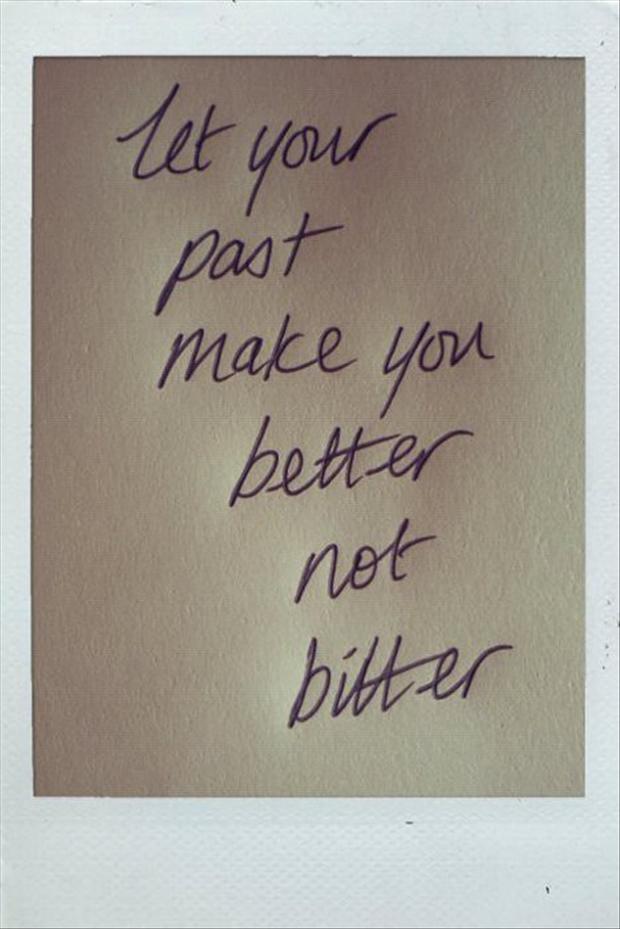
Those dark times I considered the worse years of my life, and sometimes I completely disregarded the existence of that period in my life. However, where this might have been the hurt inside me talking, now I cannot deny how it all changed and shaped me as a person. As I consciously chose that the trauma I have experienced is not going to define me and my decisions I make going forward, I noticed a shift of perspective.
My thought process and inner honesty became more apparent as I started this journey on becoming the person I am today. And now, when I look back, I feel like that changing point in my life solely came t teach me how to be more positive. As I started to replace my negative thought about what had transpired beyond my control, I learned to be more positive about life in general.
Positivity is what we all struggle with.
It is one of the virtues that are easier said than done because we can preach positivity to others but fail to see it when it comes to our own experiences. Recharging your own life with positivity is a challenge one must take.
Not only do you learn to deal with situations that evolve beyond your manipulation, but you become a better person at handling just basics of life as you embark on the journey of self-discovery.
How I Keep My Life Recharged With Positivity
As I list down how I keep my life recharged with positivity, I hope you can relate and seek help from this.
1. Dealing With Denial & Acceptance Of The Situation
The very initial fleeting feeling you go through after some tough time in life is of denial. You deny anything such has happened and continue to do it until finally, you give in. In human nature, as a general coping mechanism to minimize the hurt, we deny our emotions as far as to deny that anything has ever happened. However, to start a journey for moving on, you need to accept that yes, this has happened and ask yourself that now how do I get out of this situation.
2. Talking Myself Out Of The Dark Place
As you start accepting the situation, you deliberately begin questioning yourself. You doubt your emotions, feelings. You doubt if you will ever move on or would be able to forget. The answers to this stage lie in talking to yourself. I believe that talking to a friend would help only if you are willing for it to work. Otherwise, it will be just a waste of time and energy. You should invest that time talking to yourself and helping you get a grip on things.
3. Not Trying To Control Everything
After any trauma or negative experience, we become instinctively cautious to lot fall for another hurtful event again. Many people become rigid and build walls around them, not allowing anybody through to know any better. The problem here is that you are too hard on yourself. To resolve this and approach the situation with light in your heart, try not to control everything. Be open about the hurt. Let it be a lesson for you and not the bane of your existence.
4. Listening To Music, Podcasts, Documentaries
It is natural to find yourself relapsing back to negativity and harboring negative thoughts. But you can use external resources like music to help you stay positive. Music is scientifically known to make you feel good. So it can be a great way to keep up your spirits. In addition to music, there are now many motivational speakers and content creators as well that have an aura of positive vibes. Engaging with their content on cheap essay writing service UK can help you stay positive and distract yourself from going back to darkness.
5. Understanding Everything Happens For A Reason
As you are now on the right path, understanding that everything happens for a reason is the ultimate justification you can give to yourself. Even if you don’t believe in destiny or fate, just knowing that whatever that has transpired had the power to ruin you, but you have consciously decided to rise above it because you can is enough to motivate you. The critical point here is that positivity is not the same as being delusional. You accept the reality, and yet you understand that there is a more significant reason behind it than just to jeopardize your situation.
6. Finding Inspiration On Social Media
Where there might be many cons to the various social media platforms, they surely have made it easier for us to find inspiration. Platforms like YouTube and Instagram have increased our access to positive content and people, that if we do want to, it can make a stark difference in our lives. From following positive people to connect with friends, and also you gain access to various art forms. Social media can be very helpful if used for the right purpose and correctly so.
Conclusion
As we tend to lose hope relatively quicker even on the least bit of disappointments, positivity instills confidence in us that things will change. It gives a complete 180 degree turn to our mindset as we change our perspective and find the good in times of distress without losing hope. Hopefully, you can also accept things for how they are and assist yourself in moving on. Sending positivity and light your way!
Author Bio
Amanda Jerelyn is currently working as a Health Care Specialist at Dissertation Assistance, an excellent platform to buy dissertation UK. She is a single mother who has been working from home for quite some time now. She exclusively writes about her daily struggles as a working-mom on her blog.





You must be logged in to post a comment.