Sara’s View of Life, with Sara Troy. On air from August 18th
I recently saw the Van Gogh exhibit with Monet and I was transformed. The colours, the hues, the flow, the storytelling. If it comes to your neighborhood, please go and see it. I was so moved I wanted to do a show on them and Leo.
Van Gogh, Leonardo da Vinci, and Claude Monet did more than create extraordinary paintings—they changed how we see and understand the world. Van Gogh expressed deep emotion through colour, Leonardo united art with science and an endless curiosity about life, and Monet captured the ever-changing beauty of light and nature. Each faced hardship, criticism, and resistance, yet remained devoted to his unique vision. Today, we explore the men behind the masterpieces and discover what their lives can teach us about creativity, perseverance, curiosity, and remaining true to ourselves.
Vincent van Gogh: Painting what he felt
Vincent van Gogh was born in the Netherlands in 1853. Before finding his artistic direction, he worked as an art dealer, teacher, bookseller, and lay preacher. He did not seriously decide to become an artist until he was 27. Van Gogh Museum
Van Gogh experienced emotional and mental distress, loneliness, poverty, and periods of serious illness. His brother Theo supported him financially and emotionally, and their letters provide a remarkable window into Vincent’s inner life.
His early paintings were dark and earthy. After moving to France, his work became brighter and more expressive. He used bold colour and swirling brushstrokes to paint what he felt, not merely what he saw.
His best-known works include:
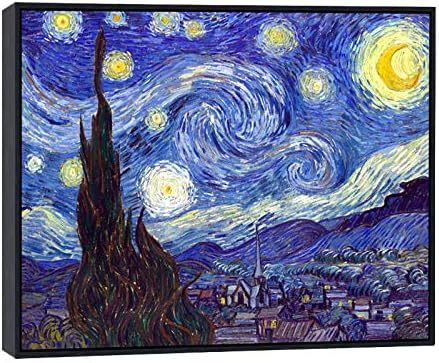
- The Starry Night
- Sunflowers
- Irises
- The Bedroom
- His many self-portraits
Van Gogh created roughly 2,000 artworks, including about 900 paintings, yet achieved little financial success during his lifetime. He died in 1890 at only 37. His work later became some of the most recognized and valuable art in history. Van Gogh Museum
It is important not to romanticize his suffering. His illness did not make him a great artist; he created great art while struggling with illness. Painting gave him purpose, expression, and moments of healing.
What Van Gogh teaches us: Recognition does not determine the value of what we create. Sometimes the world takes time to understand a unique soul.
Claude Monet: Capturing light and change
Claude Monet was born in Paris in 1840 and grew up in Le Havre, Normandy. The artist Eugène Boudin encouraged him to paint outdoors and study nature directly.
Monet became one of the founders of Impressionism. The movement received its name from his painting Impression, Sunrise. Instead of painting every object with exact detail, the Impressionists captured light, atmosphere, colour, and the feeling of a passing moment. Musée de l’Orangerie
Monet often painted the same scene repeatedly at different times of the day and in different weather. His subjects included:
- Haystacks
- Poplar trees
- Rouen Cathedral
- The River Thames
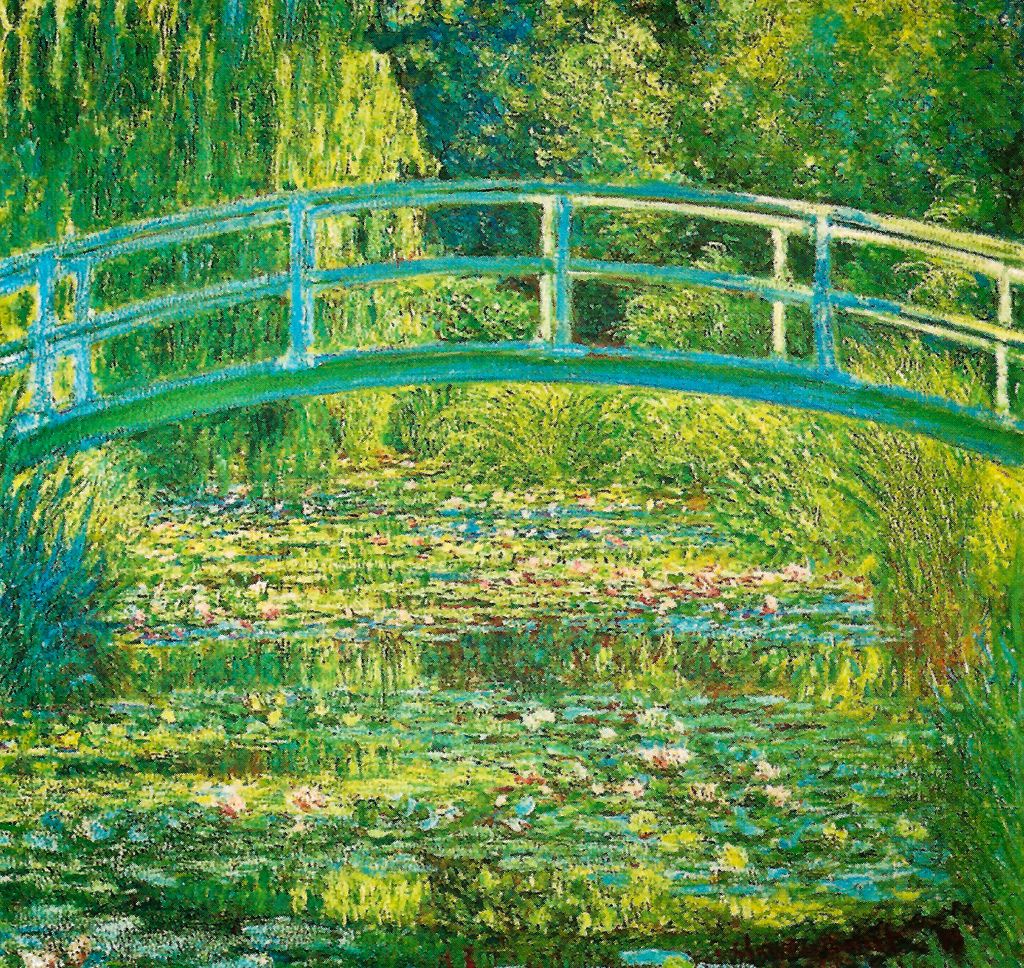
- His garden and Japanese bridge
- The water lilies at Giverny
Monet endured financial hardship, grief, and failing eyesight. Cataracts altered his ability to see colour, yet he continued painting. His later water-lily works became increasingly expansive and almost abstract.
After moving to Giverny in 1883, Monet created the garden and pond that inspired his most famous paintings. His monumental Water Lilies panels were offered to France as a symbol of peace following the First World War.
What Monet teaches us: Nothing remains exactly the same. When the light changes, our way of seeing can change with it.
Leonardo da Vinci: The Man Who Wanted to Understand Everything
Leonardo da Vinci was born on April 15, 1452, near the small Tuscan town of Vinci in Italy. This is where his name came from—Leonardo da Vinci simply means “Leonardo from Vinci.”
He was born outside marriage to a wealthy notary father and a young mother named Caterina. Because of his birth status, Leonardo did not receive the traditional classical education available to many wealthy boys. Yet this may have allowed his mind to develop more freely. Instead of accepting what books told him, he observed life directly.
As a child, Leonardo was fascinated by water, birds, animals, plants, rocks, light, movement, and the human body. Nature became his first teacher.
Becoming an artist
As a teenager, Leonardo moved to Florence and trained in the workshop of Andrea del Verrocchio, one of the city’s leading artists. There, he learned painting, sculpture, metalwork, mechanics, and engineering.
According to a famous story, Leonardo painted an angel in one of Verrocchio’s paintings so beautifully that his teacher declared he would never paint again. The tale may have been exaggerated, but it reflects how exceptional Leonardo’s talent appeared to others.
Leonardo eventually moved to Milan, where he worked for Duke Ludovico Sforza. He presented himself not only as an artist but also as an engineer who could design bridges, weapons, canals, and buildings.
While in Milan, he painted The Last Supper, which captured the emotional moment when Jesus told his disciples that one of them would betray him. Unfortunately, Leonardo experimented with an unusual painting method, and the work began deteriorating within years of its completion.
The artist and scientist
Leonardo did not see art and science as separate. To paint the human body truthfully, he studied anatomy. To capture movement, he examined muscles, bones, animals, and flowing water.
He dissected human bodies and produced remarkably detailed drawings of the heart, spine, muscles, organs, and a baby developing within the womb. His investigations of the heart led to important observations far ahead of his time. Royal Collection Trust
Thousands of pages from his notebooks survive. They contain ideas for:
- Flying machines
- Parachutes
- Bridges and canals
- Military machines
- Mechanical devices
- Human anatomy
- Plants, water, geology, and astronomy
Many designs were never built, but they reveal a mind constantly asking, “How does this work?”
Leonardo often wrote in mirror writing, moving from right to left. We do not know exactly why. It may have felt natural because he was left-handed, or it may have helped prevent the ink from smudging.
The mystery of the Mona Lisa
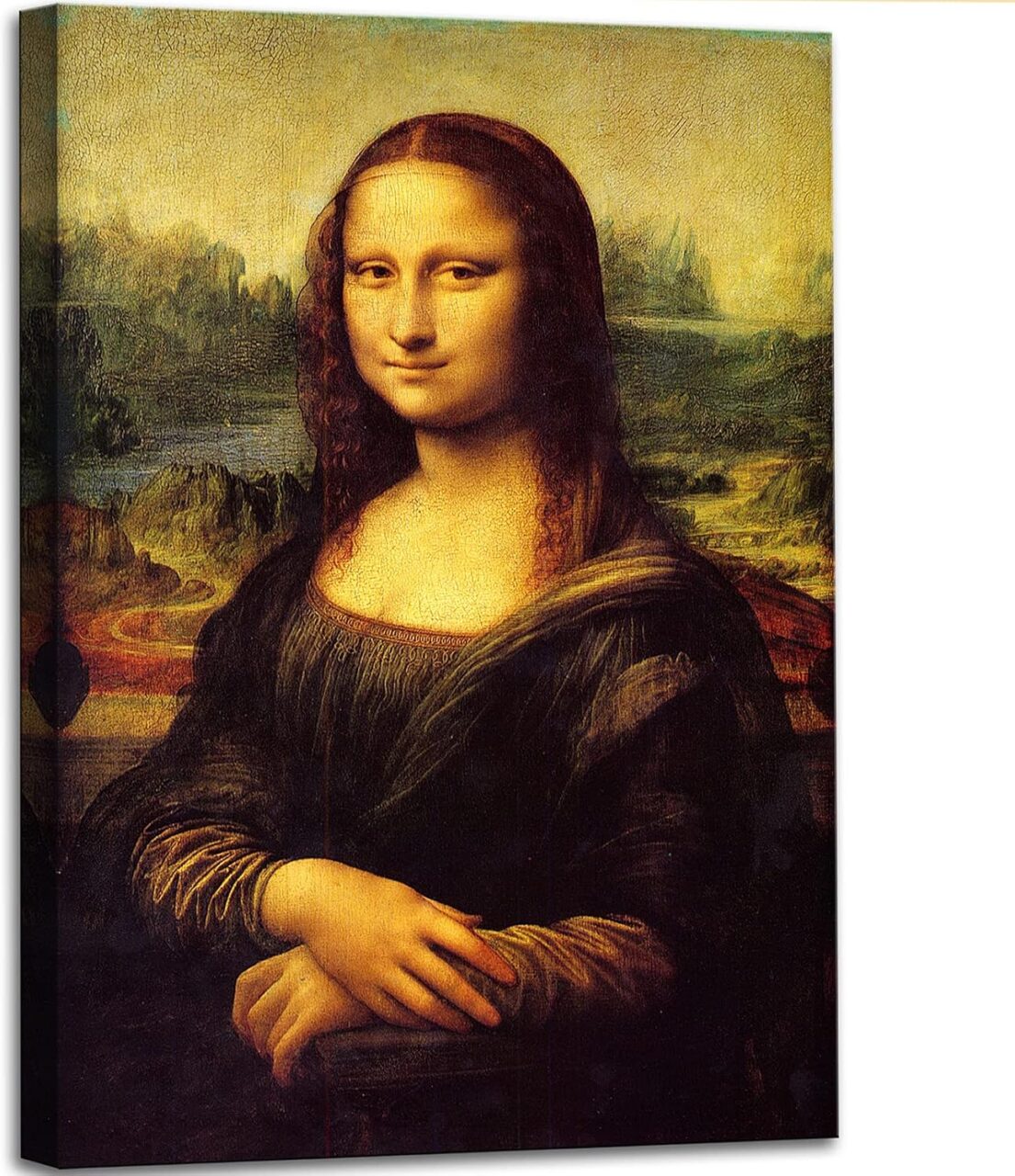
Around 1503, Leonardo began painting the portrait now known as the Mona Lisa. The woman is generally identified as Lisa Gherardini, the wife of Florentine merchant Francesco del Giocondo.
Leonardo used a technique called sfumato, applying very thin layers of paint to create soft, smoky transitions without harsh outlines. This helped make her expression appear to change as we look at her.
He apparently kept the portrait with him for many years and continued refining it. King Francis I later acquired it after inviting Leonardo to France. Today, it is housed in the Louvre and is considered the world’s most famous portrait. Musée du Louvre
A brilliant but restless mind
Leonardo imagined far more projects than he completed. His curiosity repeatedly pulled him from painting into anatomy, engineering, architecture, mathematics, and nature.
He produced relatively few completed paintings. Some patrons became frustrated by his slow pace and unfinished commissions. However, Leonardo was not simply procrastinating. He was continually investigating, reconsidering, and searching for a deeper understanding.
He did not want merely to paint the appearance of life—he wanted to understand the forces that created it. The Louvre describes his investigation of the world as the “science of painting,” through which he attempted to bring life into his art.
His final years
In 1516, King Francis I invited Leonardo to France and gave him a home at Clos Lucé, near the royal château at Amboise. Leonardo brought several treasured paintings with him, including the Mona Lisa.
His health declined, but he continued drawing, teaching, designing, and sharing his ideas. He died in France on May 2, 1519, at the age of 67.
What Leonardo teaches us
Leonardo reminds us that curiosity has no boundaries. He did not allow himself to be defined as only an artist, scientist, engineer, or inventor. He followed every question that awakened his imagination.
His life also shows that unfinished work does not necessarily represent a wasted life. Leonardo completed only a small number of paintings, but the depth of his observation changed how people understood art, nature, and the human body.
Leonardo’s deeper message: Never stop observing, questioning, learning, and wondering. The desire to understand something can be as valuable as the final creation.
In reflection
Leonardo da Vinci saw connections where other people saw separate subjects. Art led him to science, science returned him to nature, and nature deepened his understanding of humanity. Perhaps his greatest masterpiece was not any individual painting or invention—it was the extraordinary way he taught himself to see.
| ITunes | SPotify+Video | Soundcloud |
| Amazon | Youtube Music | iHEART |
| Podvine | Podcasher | Podcast Addict |
| Mixcloud | Radio Public. | FM Player |
| Odysee | Youtube | BusyMumsmedia |
| DO ENJOY THE WISDOM | Thanks for listening | Feedspot |
FIND MORE SHOWS OF ILLUMINATION HERE
All my links can be found on linktr.ee/saratroy
BE OUR GUEST AND SHARE THE WISDOM
Self Discovery Wisdom is sustained by those who believe in conscious conversation. If this episode resonated with you, subscribe and, if you feel called, make a donation. Your support helps us keep amplifying voices that inspire growth, courage, and compassion. Thank you. Please join Our Forgotten Seniors anthology and help to bring this book to awareness.


Discover more from Self Discovery Wisdom Podcasts
Subscribe to get the latest posts sent to your email.
You must be logged in to post a comment.